
DIY Reflectors for Cat Photography: Budget-Friendly Ideas
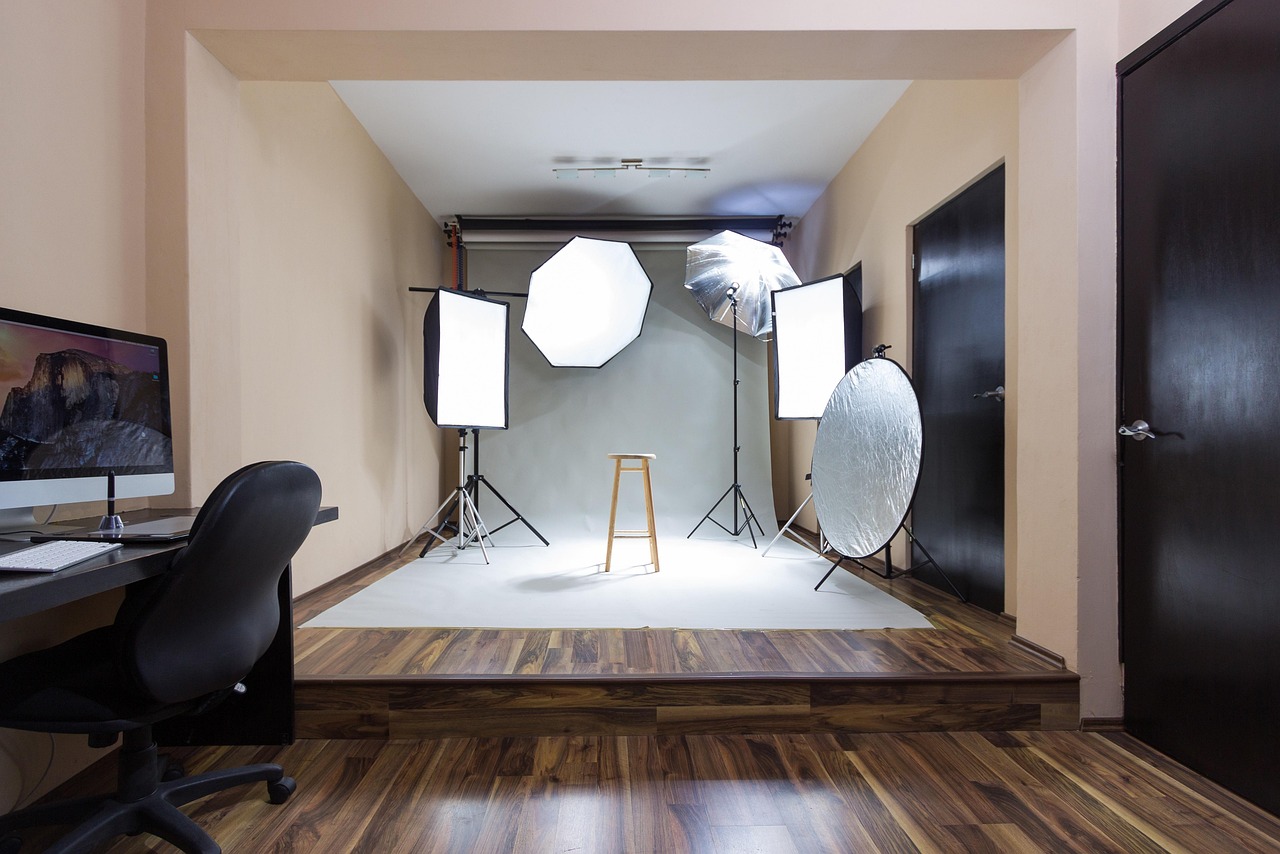
Capturing stunning images of your feline companions can be greatly enhanced with the use of reflectors. These devices help to direct and soften light, making your cat photos much more captivating. You don’t have to spend a fortune on professional reflectors; in fact, you can create your own with simple household items. By maximizing natural light, reflectors can illuminate your cat’s features, creating enchanting highlights and depth in your shots. Reflections work best in diffused natural light, so pick a bright, overcast day or a shady area outside where the light is softer. Consider using materials like white foam board, aluminum foil, or even a simple mirror. Each has its unique way of bouncing light onto your cat, enhancing the photography experience. As you experiment, you’ll discover how these homemade reflectors can alter the mood of your photos, making them look professional. Let’s explore some DIY reflector options that you can easily craft without spending much. Your creativity is key to mastering this aspect of cat photography, so let’s get started!
One of the most cost-effective materials for DIY reflectors is a large piece of white foam board. This material is not only lightweight and easy to manipulate, but it also effectively reflects natural light. To make the most out of a foam board reflector, cut it into a manageable size that can be held comfortably while photographing, typically around 24×36 inches. This size is significant enough to catch sufficient light, creating a soft illumination on your cat. Position the board at a 45-degree angle to bounce light directly onto your pet’s face. Remember, positioning is critical; adjust the height and angle until you see the desired brightness in your images. If your cat tends to move around, consider using a stand or assistant to help hold the board in place while you capture photos. Additionally, make sure you have a clear background to emphasize your cat. Monitoring the light will ensure no harsh shadows are cast, giving your cat a radiant glow. Through trial and error, you’ll find the right setup that captures your feline in the best possible light.
Reflective Surfaces: Using Aluminum Foil
Another versatile material you can easily use for reflectors is aluminum foil. Its reflective surface can produce similar results to professional-level reflectors, making it a fantastic budget alternative. Start by wrapping a sturdy piece of cardboard or an old pizza box with aluminum foil, ensuring the shiny side is facing outward. This setup will amplify the amount of light reflected onto your feline friend. The best practice is to create a moderately sized reflector to handle it without fuss while transitioning between shots. Unlike foam boards, aluminum foil allows you to create various light textures; adjusting how tight or loose the foil is can change the reflective quality. Keep in mind, direct sunlight may cause harsh reflections, so aim for lower-angle or diffused light when photographing your cat. Monitor your cat’s reaction to the shiny surface; some cats may be curious or frightened by the reflections. Don’t hesitate to give your cat occasional breaks to ensure they remain comfortable during the session, allowing you to capture perfectly-lit portraits at the same time.
If you’re looking for an easy solution on the go, consider using a simple mirror as your reflector. Mirrors are especially effective in bright sunlight or harsh lighting conditions. However, they require more caution, especially when dealing with your pets. Select a small, portable mirror that is easy to handle outdoors. Set it up strategically to capture and direct light onto your cat’s features. Mirrors reflect light more intensely than other materials, so be sure to soften the intensity by positioning the mirror at an angle. This will help avoid overly glaring images and instead enhance your cat’s natural beauty. Be mindful of your furry friend’s behavior around the mirror—some might find their own reflection intriguing, while others may be apprehensive. Moreover, mirrors can be challenging in windy conditions, so consider working in a calm environment for the best picture. Practicing your techniques with a mirror can yield remarkable results, especially for stunning portraits that showcase your cat’s eyes effectively. As the light dances on their fur, your photography will undoubtedly shine.
Creative and Fun Textured Reflectors
Sometimes, playing with textures can lead to stunning photographs. Instead of using flat reflectors, try utilizing textured materials, such as a woven basket or even fabric with interesting patterns. These can not only brighten up the photograph, bringing light into otherwise shadowy areas, but they can also add depth and visual interest. For instance, placing a textured fabric at an angle can create a more nuanced reflection that softens the light before it hits your cat. Choose fabrics in neutral colors, like whites or pastels, to create a subtle reflection. Avoid bold patterns that may distract from your pet’s natural elegance. Additionally, ensure your cat is content in front of various materials, as some may react differently. Texture adds an artistic flair to your photography, giving each shot its unique character. Combine multiple textures for varied effects, showcasing your creativity and affection for your feline friends. Don’t hesitate to experiment with different angles and distances as you shoot; these textured reflectors can elevate your cat photography to a new artistic level.
To enhance your reflector setup, think about incorporating an additional come supplementary tool—the bounce card. A bounce card is essentially a smaller, handheld version of a reflector. This device is particularly useful for creating catchlights in your cat’s eyes, drawing focus and emotion to your photos. You can easily make a bounce card with a piece of card stock or thick paper. When using a bounce card, aim to focus on areas where the light needs a boost, such as the eyes or face of your cat. Position the card closely to your subject, directing light onto them. It is a great way to highlight the natural features of your pet, giving that extra sparkle to their gaze. Ensure you have an easy grip while shooting; a tripod can help stabilize your camera while you manipulate the card. As you refine your skills, be patient with your feline companion; they may need time to adjust to your new setups. Utilize these tools collectively for your next cat photography session for outstanding results that will impress family and friends.
Finalizing Your Cat Photography Techniques
Incorporating DIY reflectors into your cat photography sessions will undoubtedly elevate your work. From mirrors to foam boards and textured surfaces, you have options that allow your creativity to flourish. Experimenting with diverse setups will give you a better understanding of how light interacts with your feline in various environments. Don’t shy away from making mistakes; each shot is a learning experience that paves the way to developing your unique style. As you continue to adapt and adjust, you will find what works best for you and your beloved cat. Remember that patience is key, especially when working with animals. Take your time, and don’t rush the shooting process. For the best results, ensure your pet is calm and comfortable, creating a fun and relaxed atmosphere leads to more engaging pictures. Always have your camera ready, capturing fleeting moments that reflect the personality of your cat. With the right techniques, lighting, and a little creativity infused into your photography, you are well on your way to achieving stunning visuals that embody your feline’s charm.
In conclusion, enhancing your cat photography using DIY reflectors can yield impressive results. It doesn’t require professional equipment; instead, creativity is key. Using materials like foam boards, aluminum foil, mirrors, and textured fabrics, anyone can create a glowing portrait of their beloved felines. Each concept has its perks and learning to manipulate these tools will transform your photography skills. Accentuated with catchlights and softened shadows, your pictures will tell a story about your furry friends, showcasing their personality beautifully. Always remember the joy in the process, exploring new techniques and reflecting your unique style through the lens. Before you know it, those playful moments and affectionate gazes will fill your gallery with stunning imagery. On top of that, budget-friendly DIY reflectors make cat photography accessible for everyone, regardless of experience. Consider sharing your newfound photos with friends or family on social media. Use the hashtag #CatPhotography and connect with fellow enthusiasts who also share a passion for these adorable creatures. Collaboration can lead to further inspiration and exchange of ideas that deepen your artistic expressions. Happy photographing!