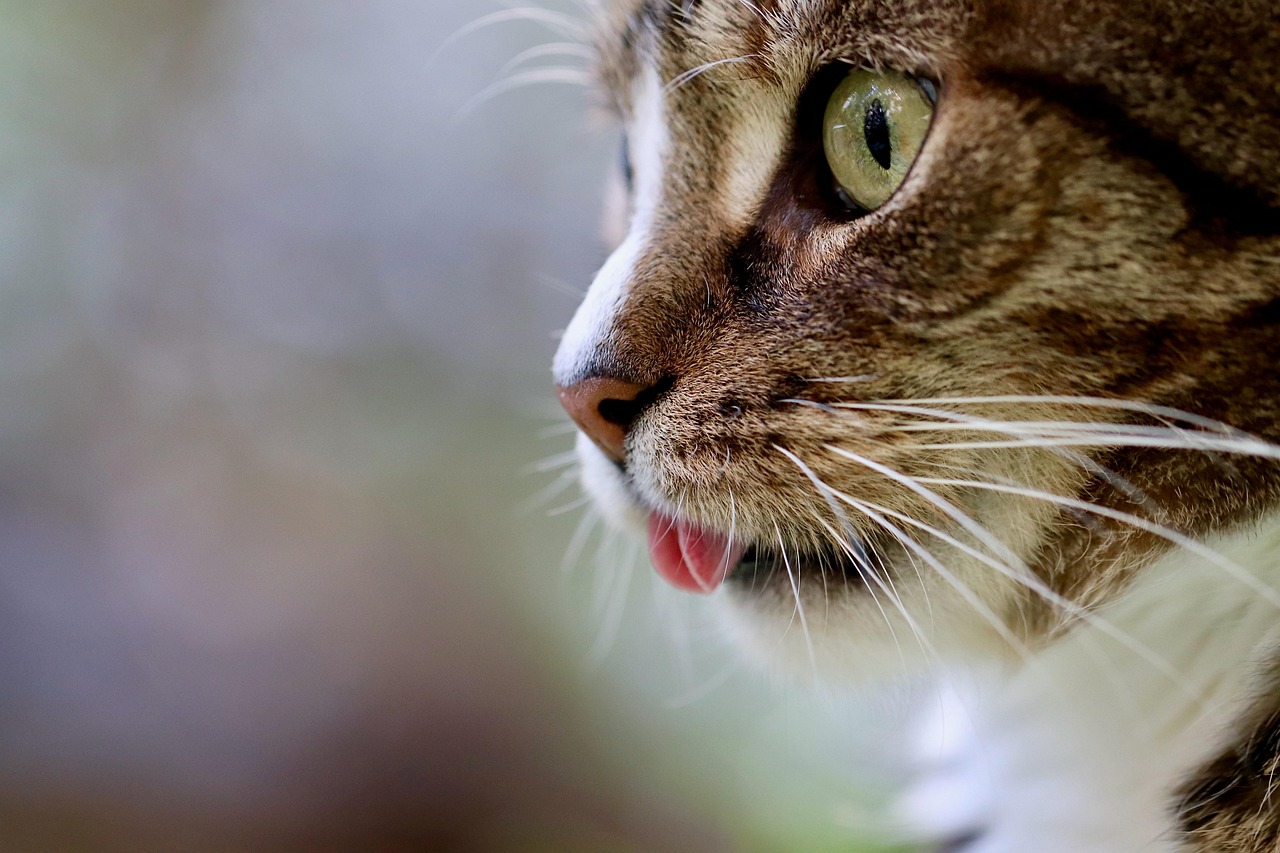

How to Comfort a Cat Showing Signs of Pain
As cat owners, it’s essential to recognize the signs of pain in our feline friends. Cats are masters of disguise and often hide their discomfort exceptionally well. Several signs can indicate that your cat might be experiencing pain. Look for behavior changes such as reduced activity, withdrawal from social interactions, or changes in their eating habits. Additionally, you might observe physical signs, such as limping or reluctance to jump. Understanding these cues will enable you to act promptly and provide care. Observing your cat’s body language is vital; flattened ears or a tucked tail may signal distress. Other behaviors like excessive grooming of a particular area may suggest localized pain. A varied response can occur based on the individual cat. Genetics and past experiences might also influence how they express pain. Creating a safe and comforting environment is paramount. Ensuring that their space is quiet and limited from frequent disruptions can aid significantly in their recovery process. Ultimately, keeping an eye out for these signs is your first step to providing the comfort your cat needs.
Once you recognize your cat is in pain, acting quickly can significantly affect recovery. The first course of action should always be consulting a veterinarian for a thorough evaluation. The vet may suggest diagnostic tests, providing insight into the underlying issues that cause pain. It is crucial to follow the vet’s instructions diligently and keep an open line of communication. This ensures proper management of any conditions affecting your cat. Besides medication, there are various ways you can comfort your kitty at home. Consider creating a cozy den-like space where your cat can retreat. Adding soft blankets and warm pads can help alleviate discomfort. Offer gentle, reassuring petting, as this can create a soothing effect. It is vital to approach your cat carefully, ensuring not to touch sensitive areas. Use a calming tone and speak softly to reassure them. Offering their favorite treats can also be a mood booster; however, ensure these are appropriate given any health conditions discussed with your vet. Moreover, regularly spending quality time with your cat promotes bonding and helps maintain their mental health during challenging times.
Providing mental stimulation is also important when comforting a cat showing signs of pain. Engaging their mind can distract them from discomfort and promote well-being. Consider introducing puzzle toys that release their favorite treats or placing interactive toys around their space. Cats are naturally curious creatures and providing various stimuli can reduce stress. Another option is to experiment with catnip or pheromone diffusers, as some cats find these calming. Regular, gentle play sessions tailored to your cat’s energy level can also provide comfort and joy. However, it’s vital to remember their physical limitations – keep play low-key and avoid high-energy activities if they are in significant pain. Additionally, maintaining their normal daily routine as much as possible can provide a sense of security. Consistency helps reassure your cat during stressful times, making them feel safer in their environment. Incorporate short, gentle interactions throughout the day, along with maintaining their feeding and litter box schedules. This will create a stable atmosphere, minimizing anxiety as they heal.
Understanding Medical Treatments
In instances where cats are diagnosed with chronic pain or specific medical conditions, understanding potential treatment options is crucial. Veterinarians may prescribe medication such as anti-inflammatories, analgesics, or even disease-modifying osteoarthritis drugs. It’s essential to monitor the cat closely for any side effects. Discuss all possible alternatives, including supplements that may support joint health and overall well-being. In more severe situations, physical therapy can be a vital component of the treatment plan. Techniques like hydrotherapy, massage, and controlled exercises can foster rehabilitation. Consulting a veterinary-approved physical therapist for recommendations on specific exercises can further aid comfort and mobility. Some cat owners may consider complementary therapies, including acupuncture and chiropractic adjustments. It is vital to consult your veterinarian about any complementary approaches to confirm they are appropriate for your cat’s condition. Also, ensure that the practitioners are experienced in treating animals to avoid complications. Ultimately, managing a cat’s pain may require a multifaceted approach, incorporating veterinary care, home management, and emotional support to ensure a balanced and healthy recovery.
Another vital component of helping your cat is to engage in preventative measures to ensure long-term well-being. Focus on maintaining a healthy weight for your cat through balanced nutrition and appropriate portion sizes. Obesity can exacerbate pain and lead to joint problems, so monitoring their diet is crucial. Consult with your veterinarian for tailored dietary recommendations that suit your cat’s life stage and health condition. Regular exercise, even light activity suited to your cat’s abilities, can help maintain flexibility and muscle tone. Setting aside time daily for gentle play will not only keep them active but also mentally engaged. Additionally, creating a stress-free home environment plays a significant role in your cat’s health. Conflict with other pets or sudden changes in the household can contribute to anxiety, which might manifest as pain. Therefore, it’s essential to provide your cat with safe spaces where they can retreat and feel secure. Periodically assess their environment and make necessary adjustments to reduce stressors. A comfortable and supportive environment can significantly improve your cat’s quality of life and help manage potential pain.
Understanding the signs of pain and taking proactive steps can transform your cat’s experience and enhance your bond. It’s vital to remain observant of your cat’s behavior, documenting changes if necessary. This documentation can provide significant insight during veterinary appointments, allowing for quicker diagnoses and effective treatment plans. Owners often underestimate the significance of mental health in cats; enriching their lives can lead to better overall health. Activities that encourage natural behaviors—like scratching, climbing, and hunting—can serve as both mental stimulation and physical activity. Spending quality time with your cat builds trust and comfort, so don’t hesitate to engage with them regularly. Also, understanding that recovery may take time is crucial. Patience and persistence are key when monitoring your cat’s condition and adjusting routines as necessary. Overall, a collaborative approach that includes yourselves, your vet, and your cat will yield the best results for their healing. By actively participating in their recovery process, you’ll not only enhance their quality of life but also create a more fulfilling relationship between you and your beloved feline companion.
In conclusion, the journey of recognizing and addressing signs of pain in cats requires commitment and sensitivity. Comforting a cat in distress is not solely about addressing physical pain; it involves understanding their emotional and mental needs as well. Effective communication with your veterinarian can equip you with the knowledge needed to better care for your pet. Emphasizing regular check-ups and seeking immediate medical attention when necessary is essential in preventing escalating issues. A well-informed owner is crucial. Building your understanding of feline behavior and health will empower you to be a more effective advocate for your cat’s well-being. Offering a blend of emotional support, environmental considerations, and medical treatment lays a solid foundation for recovery. Inhabit your cat’s world to fully appreciate their needs—patience will ease their discomfort, revealing the joy of companionship. The underlying goal remains: a happy, healthy cat who feels safe and loved. Prioritizing your cat’s health and comfort will strengthen your bond and lead to a happier home environment for both of you. Your attentiveness and care are the fortification they need.