
Senior Dog Hydration Myths Debunked by Veterinarians
As pets age, hydration becomes a critical factor in maintaining their health and well-being. There are numerous myths surrounding senior dog hydration that can mislead pet owners. One prevalent myth is that senior dogs need less water than younger dogs. In reality, older dogs often require more water due to various factors, including medical conditions and medications that may cause dehydration. It is essential to provide a steady supply of fresh water to encourage them to drink regularly. Another common misconception is that dogs can obtain enough moisture from their food alone. While moist food can aid hydration, it typically isn’t sufficient, especially for senior dogs. As they lose their natural thirst drive, they may need additional encouragement to drink. Pet owners should monitor their dog’s water intake closely and ensure they have access to water at all times. Assisting them with hydration—like using bowls or larger water stations—can help keep them healthy. By understanding these myths, owners can take proactive steps to ensure their senior dogs remain adequately hydrated and healthy throughout their golden years.
The Importance of Hydration
Hydration is crucial for senior dogs as it affects their overall health, including digestion, circulation, and temperature regulation. As dogs age, their bodies experience physical changes that can increase the risk of dehydration. For instance, older dogs may have diminished kidney function, which limits their ability to concentrate urine and retain water. This physiological change necessitates an increased water intake to compensate for potential fluid loss. Additionally, older dogs may suffer from chronic conditions such as diabetes or Cushing’s disease, further heightening their need for proper hydration. Recognizing signs of dehydration is vital; symptoms include dry gums, lethargy, and changes in appetite. One of the best ways to encourage hydration is to provide fresh water consistently and to entice them with flavored water or ice cubes periodically. Commercial products featuring flavored water or specially designed hydration solutions can make drinking appealing. While many believe they can skip providing water if their dog appears fine, this could lead to serious health complications. Awareness of your senior dog’s hydration needs can vastly improve their quality of life and play a significant role in preventing health issues.
Myth number three suggests that older dogs will instinctively drink what they need. This assumption can be dangerous. Aging dogs may not recognize their thirst as effectively as younger ones, leading them to drink less than necessary. As a result, it’s the pet owner’s responsibility to ensure their dog is consuming enough water regularly. Simply relying on automatic water dispensers may not be sufficient if they are not told to drink. On the other hand, forcing water can also be counterproductive, potentially leading to gastrointestinal discomfort. Therefore, the best approach for pet owners is to observe their dog’s demeanor and behavioral patterns surrounding drinking. If a dog appears less active or disengaged, a proactive approach should be taken to increase their hydration intake gently. Consider discussing strategies with a veterinarian specifically tailored to their age and health needs. Ultimately, proactive pet ownership involves recognizing the importance of hydration, understanding individual needs, and fostering healthy habits. By debunking misconceptions, owners can create a healthy drinking routine for their beloved senior dogs.
Feeding for Hydration
One effective method to promote hydration in senior dogs is to enhance their diet. Commercial wet dog food generally contains approximately 70-80% moisture, which can greatly aid in hydration. As dogs age, they might show different preferences or physical difficulties with dry kibble, leading to lower water consumption. Incorporating wet food into their meals can provide an easy way to boost their fluid intake without forcing them to drink more water. Adding water or broth to dry kibble is another practical approach to increase moisture in their diet while still providing essential nutrients and engaging flavors. Choosing high-quality, wet options offering balanced nutrition will help optimize senior dog hydration. Some owners may also consider hydrating treats, like fruits and vegetables such as watermelon, cucumbers, or carrots, that can spur water intake and offer vitamins. Always consult your veterinarian before introducing new foods to ensure they are suitable for your dog’s specific dietary needs. This dual approach—combining wet food and hydration treats—creates a positive ingestion experience for senior dogs, promoting overall hydration and health.
Another myth surrounding senior dog hydration is that dogs naturally know how much water they need. However, with health conditions such as kidney problems or diabetes becoming more common in older dogs, hydration can easily slip their minds. Medical situations might alter their thirst level, and some dogs might struggle physically to get their fill. Observing for signs of insufficient hydration requires diligence, as older dogs may not vocalize their discomfort or need for water readily. Regular health check-ups are vital, where veterinarians can identify signs of dehydration and recommend hydration solutions specifically tailored for senior dogs. Carrying portable water bottles during walks and ensuring you have access to fresh water can help maintain hydration levels while out. It’s equally important to keep a water dish accessible in multiple locations at home, providing the dog with encouragement to drink freely. Pet owners should aim for at least a half-ounce of water per pound of body weight for senior dogs, checking throughout the day and rewarding hydration efforts through praise and gentle interaction. These foundational principles of hydration can yield astonishing benefits for senior dogs.
Hydration Solutions
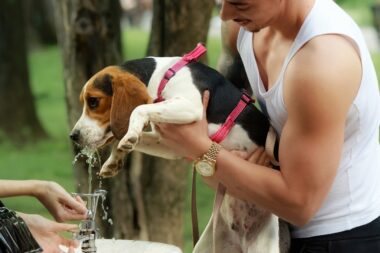
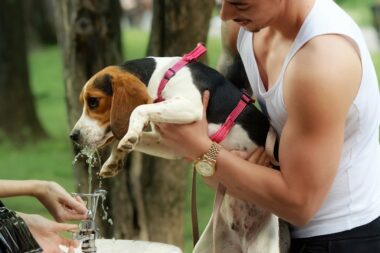
Offering various hydration solutions can make a significant difference in your senior dog’s life. Specialized pet water fountains, which flow continuously, often encourage dogs to drink more frequently as they prefer fresh, moving water. Many dogs are instinctively drawn to these flowing fountains over stagnant bowls, leading to increased hydration. Furthermore, adding flavor-enhancing components like low-sodium broth or using specific hydration products designed for pets can entice your dog to increase their water intake. Pet food stores now stock an array of dog-friendly hydration solutions—consider exploring options that appeal to your senior dog’s tastebuds. Regularly encouraging hydration can prevent long-term medical issues associated with poor water intake. Additionally, some dogs may appreciate food specifically formulated for hydration. Complete hydration options combine nutrients to ensure your dog is nourished while optimizing their water intake. Furthermore, ensuring your pet is comfortable during hot weather is essential, as senior dogs are more vulnerable to overheating. Access to hydration solutions keeps your dog healthier and happier, proving that an informed owner can truly make a difference in a senior dog’s hydration and wellness journey.
Finally, tracking your senior dog’s hydration levels requires awareness and consistent routine modifications. Develop a system to monitor their water intake, perhaps through daily checks of their bowel and bladder functions, noting any patterns that arise. Keeping a log of when your dog drinks helps ensure they are consuming enough water throughout the day. Teach verbal cues or use positive reinforcement methods to encourage regular drinking habits. If your dog doesn’t drink enough, consult your veterinarian about altering routines or adjusting food options. This attention to detail not only assists in staying on top of their hydration, but it also helps build trust with your dog, letting them know you’re looking out for their best interests. Being attentive makes early recognition of dehydration issues possible, helping avert potential hood health risks. By prioritizing hydration solutions guided by knowledge and veterinary feedback, senior dogs will thrive in their golden years. Ultimately, hydration is an ongoing journey, and the more educated owners are, the better the outcomes for their loved pets.