
Importance of Regular Indoor Exercise for Your Cat’s Health
Indoor cats, while often adored for their cuddly nature, can face health risks without proper exercise. Regular physical activity is essential to combat obesity, which leads to diabetes, arthritis, and heart disease. Cats require stimulation to maintain a healthy weight and energy levels. Exercise fosters better health, which positively impacts their lifespan and quality of life. Engaging your cat in physical activities at home ensures they remain fit mentally and physically. Not only does exercise prevent weight gain, but it also helps with muscle development and coordination. Incorporating fun activities into their daily routine keeps them entertained. Moreover, it encourages natural instincts such as hunting and climbing. This natural behavior can reduce stress and promote happiness in domesticated cats. Indoor environments can be customized to enhance your cat’s play experience, such as using cat trees or interactive toys. By dedicating time for exercise, owners can bond with their furry friends. Such engagement leads to a happier and healthier pet, mitigating negative behaviors often associated with boredom. Creating a fun indoor playground is an essential aspect that improves your cat’s overall well-being!
Providing cats with a variety of interactive toys is an excellent way to inspire movement. Toys that mimic prey, such as feather wands or laser pointers, stimulate their natural hunting instincts. Additionally, consider choosing toys with different textures and shapes to keep your cat engaged. Regular playtime is not just play; it also enhances their cognitive skills. This engagement can significantly reduce the risk of behavioral issues stemming from boredom. Creating an environment rich in physical activities can include puzzle feeders that challenge their problem-solving skills. These items not only encourage exercise but also make meal times exciting and stimulating. Allow your cat to explore and discover all the hidden treasures during playtime. Rotating toys weekly can keep the experience fresh and encourage curiosity. Furthermore, making sessions short and frequent is often more effective than longer play periods. For younger cats, twice a day sessions can be beneficial for their development. Older cats might appreciate a more moderate approach with gentle encouragement. This dynamic routine maintains both physical fitness and psychological health, ensuring your cat stays active and engaged! Tired cats usually have better behavior, leading to a harmonious living space.
Creating an Engaging Environment for Exercise
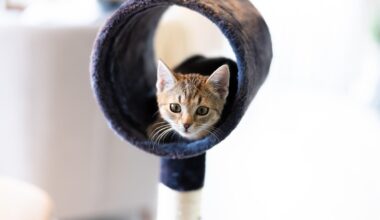
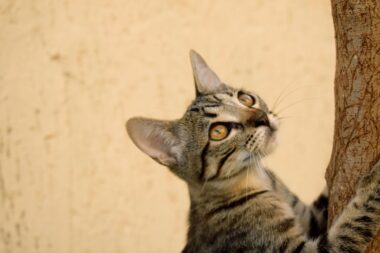
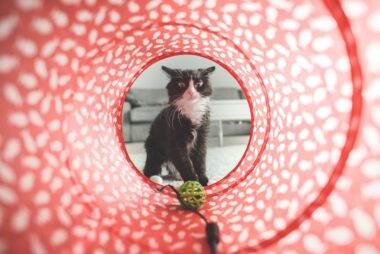
Designing a cat-friendly environment can greatly promote physical fitness through play and exploration. To start, utilize vertical spaces by incorporating cat trees and shelves. Cats naturally like to climb and observe their surroundings, which aids in exercise. Such structures can be built from affordable materials or purchased online. Adding a small tunnel encourages your cat to investigate and run through, mimicking their pursuit of small prey in the wild. This simple addition is both low-cost and immensely rewarding by enriching their environment. Designated play areas can also comprise scratching posts that maintain their claws and invite vigorous stretching and climbing. Hanging toys or mobile feeders suspended from high places can provide entertainment and enhance their dexterity. Daily activities can include hide-and-seek games with treats, so your cat remains active while engaging all their senses. Diversifying the play setting keeps cats intrigued and entertained while allowing them to explore their surroundings safely. Assessing the area for hazards, such as loose wires or breakable items, is crucial. Your indoor space should encourage safe movement where your cat feels secure during their playground activities.
In addition to physical exercises, incorporating mental stimulation activities is equally crucial for your cat’s overall well-being. Puzzle toys encourage problem-solving and keep their minds sharp, providing additional stimulation in the process. Hide treats around the house to ensure your cat engages in a treasure hunt, combining both physical movement and mental calculations to find their rewards. These tasks help reduce stress, promoting relaxation and well-being afterward. Monitor your cat’s preferences; some may enjoy chasing which reinforces their hunting skills. Similarly, teaching them tricks using positive reinforcement methods can keep them engaged. You can even develop a mini obstacle course, using furniture and safe items, encouraging your cat to move actively while having fun. Training time should be relaxed, allowing seamless interaction between you and your furry companion. Dedicate short periods throughout the day to incorporate valuable playtime. This bonding reinforces trust and encourages active participation. Remember that consistency is key in these activities for long-term results. Your cat thrives in routines and benefits from constant mental and physical stimulation. It’s vital for their emotional health and fosters a happy, content lifestyle in their home.
Understanding Your Cat’s Needs and Capabilities
Recognizing your cat’s behavior and needs can significantly impact the effectiveness of their exercise routine. Each cat has a unique personality, and their willingness to engage varies accordingly. Some cats prefer solitary play, while others may thrive in interactive settings with their owners. Understanding your cat’s interests can guide you in selecting the most appropriate activities. For instance, shy or elderly cats may prefer gentler exercises such as light play with soft toys. In contrast, younger cats often have higher energy levels and require more robust play sessions. Being observant of their play styles can inform how you encourage them to stay active. Cats also benefit from short bursts of stimulation rather than long sessions; they naturally have bursts of energy followed by relaxation periods. Consequently, plan for regular, short, and stimulating activities around your cat’s daily routine. This approach promotes bonding moments between you and your feline. Additionally, offering opportunities for individual play helps build confidence in your pet. Engaging in activities suited to their temperament and physical capability ensures their fitness while respecting their boundaries.
Maintaining a consistent exercise regimen can significantly affect your cat’s mental health. A daily routine not only provides physical benefits but also reduces stress and anxiety levels. Indoor cats often experience boredom without enough stimulation, leading to depression or behavioral issues. Regular exercise combats these problems, enhancing their overall mood and decreasing negative behaviors like scratching or biting. Trying various indoor games can alleviate boredom while keeping your cat engaged. Managing playtime frequency can also ensure your cat stays excited about their activities. Consider adding human interaction, as many cats respond positively to bonded play sessions with their owners. Take note of your cat’s cues; if tired from prior activities, allow them time to recharge. Additionally, as they age, adapt your routines according to their changing needs. Older cats may require shorter, gentler activities while staying adequately stimulated through mental challenges. Observing these changes and being adaptable supports your cat’s mental state and overall happiness. Prioritizing mental well-being through regular interaction aids in maintaining a fulfilling relationship with your cat. Ultimately, a happy cat leads to a more vibrant household and a loving, interactive environment.
Conclusion: The Holistic Approach to Cat Exercise
Incorporating regular indoor exercise into your cat’s lifestyle requires a holistic approach that balances physical activity and mental stimulation. Creating a safe and engaging environment can significantly contribute to their overall health and happiness. Establish routines for exercise while blending various activities that pique their interest. Both interactive play and solitary activities should be included in this schedule to meet your cat’s personal preferences. With the right mix, boredom will diminish, and health will flourish. While focusing on exercise, also consider their diet and nutrition as it plays a vital role in their overall well-being. Feeding a balanced diet encourages optimal health, enhancing energy levels for those play sessions. Consult a veterinarian for tailored recommendations suitable for your cat’s specific needs. Regular check-ups ensure your furry friend remains healthy and fit throughout different life stages. Your dedicated approach to fostering a lifestyle embedded with exercise will lead to a stronger bond and improved quality of life. Happy, healthy cats are vital for enriched living experiences; consequently, implement these strategies today for a brighter future with your feline friend.