
Safe Exercise Routines for Senior Dogs
As dogs age, they require tailored exercise routines to keep them healthy while minimizing injury risk. Regular exercise is crucial for senior dogs as it helps maintain their physical health, emotional wellbeing, and cognitive function. Understanding their specific needs is key. Senior dogs may have differing energy levels, joint issues, and overall health concerns. Therefore, adapting exercise routines is essential. Hydration before, during, and after exercise is crucial, as older dogs may dehydrate more quickly. Regular check-ups with a veterinarian can help determine the right exercise regimen. Various low-impact activities are recommended for these dogs.
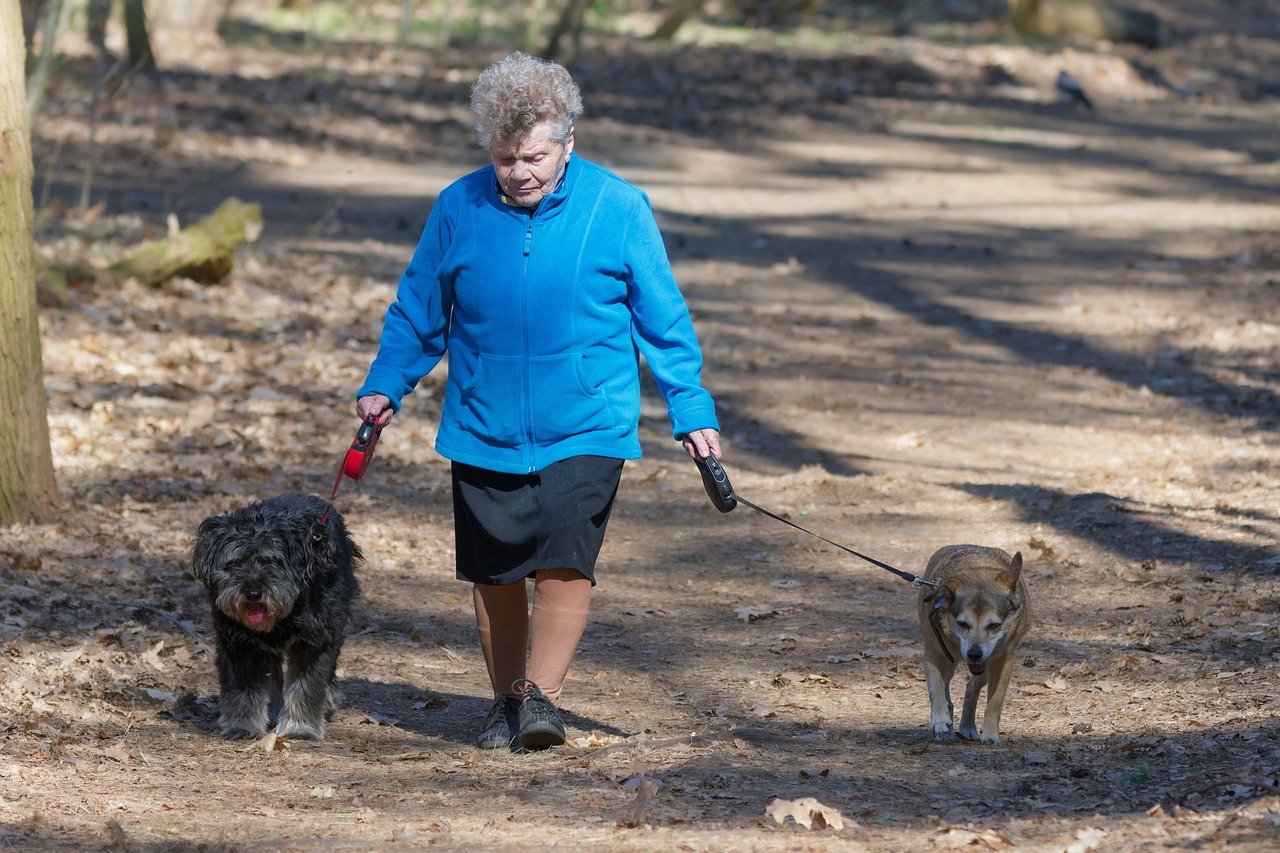
Examples include short walks, gentle swimming, and leash-free play in secure areas. Activities should be tailored to the individual dog’s limitations and interests. Swimming is often an excellent choice as it puts minimal stress on joints while providing a thorough workout. Consider introducing puzzle toys or scent games for enrichment and stimulation. Allowing senior dogs to set their pace promotes their comfort and confidence. Incorporating rest periods between exercise sessions is vital, as older dogs may tire more quickly. When mapping out a routine, time spent with your dog should focus on both their health and happiness.
Monitoring Health and Safety
While exercising, monitoring your senior dog’s behavior and physical condition is necessary. Look for signs of fatigue or discomfort such as panting, hesitation, or lagging behind. Adjust activities accordingly, reducing durations or intensity as needed. Regularly assessing joint flexion and mobility can prevent overexertion. It is also essential to recognize changes in mood or attitude, as these can indicate health issues or discomfort. Senior dogs may be less inclined to engage in play, which can signify pain or stress. Consulting with your veterinarian about suitable activities will ensure a safe routine that joyfully complies with their needs.
Positive reinforcement is crucial when introducing new exercises, as it builds confidence. Use treats or praise to motivate your dog. Incorporate varied activities to keep routines engaging. Stay aware of weather conditions, as extreme heat or cold can affect older dogs more severely. Adequate pre-exercise warm-up and post-exercise cool-down routines can benefit aging muscles and joints. Adjustments to activity levels must be flexible and responsive to your dog’s changing health status. Engage in gentle stretching before exercises, as this boosts circulation and results in more comfortable movement during activities.
Engaging Activities for Senior Dogs
Aside from traditional walks or runs, consider alternative activities to stimulate their minds and bodies. Interactive games challenge cognitive functions and provide joyful experiences for seniors. Hide and seek, fetch with a soft toy, or using treat-dispensing toys can invigorate their spirits. Keep sessions playful and light-hearted, allowing for breaks. Exploring new environments, even if for short durations, can enhance their confidence and enrich their experiences. Coordination games that engage their focus are excellent ways to keep them agile without undue strain. Offering varied walks through different terrains can also maintain their physical shape.
Incorporating playdates with compatible dogs can stimulate social behavior and provide emotional benefits, boosting their happiness. However, ensure that playmates are of a similar energy level and temperament to avoid potential injuries. Supervision is necessary to ensure the safety of interactions, especially with younger, more energetic dogs. Gentle play can reduce feelings of loneliness and depression, which some senior dogs may experience. Activities that engage both the mind and body can lead to a healthier lifestyle, strengthening the bond between you and your faithful friend.
Conclusion: Prioritizing Your Dog’s Wellbeing
In conclusion, providing suitable exercise for senior dogs is vital in promoting a comfortable, healthy lifestyle. By customizing routines based on individual needs, owners can enhance their senior dog’s quality of life. Frequent vet check-ups, gradual exercise modifications, and attentive observation are all integral parts of this journey. Staying educated about your dog’s specific needs will ensure longevity. Remember, the focus should always remain on their wellbeing and joy, even when adjusting activities. With commitment and understanding, your senior dog can continue thriving and enjoying life alongside you.
Encouraging daily activity, even if it is light, can lay the groundwork for sustained health and happiness as they age. Regular gentle exercise can have a profound impact on their muscle tone, weight management, and overall disposition. Adapting to their shifting requirements reinforces the love and care you provide as a pet owner. Celebrate small achievements to inspire confidence and willingness in your dog. Remember that every dog is unique, and what works for one may not suit another. Overall, consistent efforts contribute to a fulfilling companionship for both the seniors and their beloved owners.