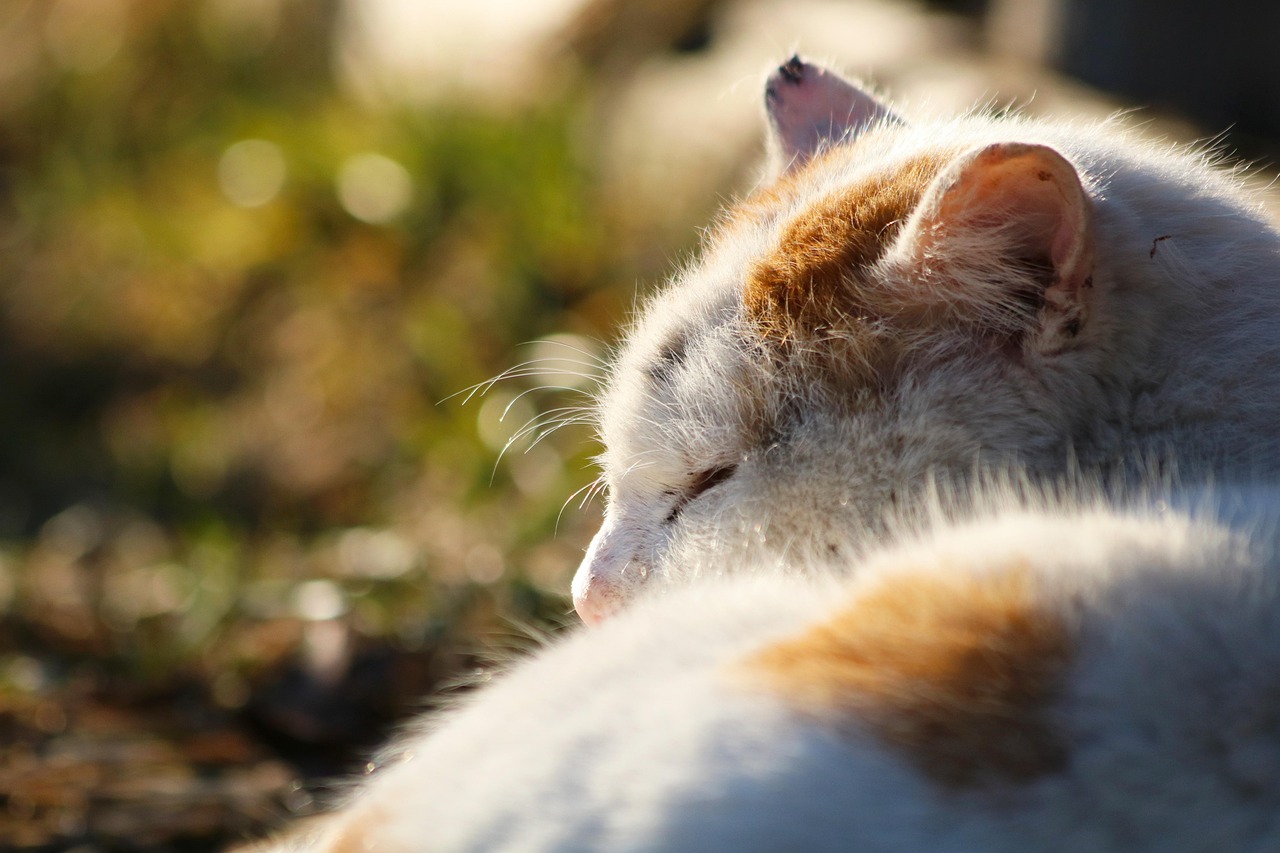

How Sleep Affects Your Cat’s Hyperactivity
Understanding the link between sleep and hyperactivity in cats is essential for every pet owner. Cats are known for their unique behaviors, and hyperactivity can be particularly challenging to manage. Hyperactive cats often exhibit symptoms like excessive playfulness, restlessness, and sudden bursts of energy. These behaviors might be a sign that your cat isn’t getting enough sleep. According to veterinarians, adult cats typically require 12 to 16 hours of sleep daily, while kittens need more. Insufficient sleep can lead to behavioral issues that may affect your cat’s overall emotional health. It is important to observe your cat’s sleeping patterns, as a lack of Rest can adversely influence their daily activities. A tired cat may struggle to concentrate, engage in more impulsive behaviors, and even display signs of stress. Busy environments can also contribute to sleep deprivation, making it crucial for pet owners to create a tranquil home. Ultimately, fostering a serene atmosphere helps your cat maintain a healthy sleep schedule, positively affecting their behavior and hyperactivity levels.
To create the right sleeping environment for your cat, there are several factors to consider. First, the sleeping area should be comfortable and quiet, away from disturbances. Cats typically gravitate towards soft bedding and enclosed spaces where they feel secure. Adding a cozy blanket or a padded bed can make a significant difference in your cat’s willingness to spend time in their sleeping space. Furthermore, temperature regulation is important; a warm spot near a heater may be more appealing than a chilly corner. Also, consider using soft, mood-setting lighting in the cat’s relaxation area during nighttime. Feline behaviorists suggest that a predictable routine can promote better sleep habits. Feeding your cat at the same time daily and dedicating specific playtime slots can provide structure. This routine can help prevent excessive nighttime play, allowing for a more restful sleep. Additionally, cat owners must limit loud noises, box openings, and active household members during the evening hours to encourage tranquility.
Signs of Sleep Deprivation in Cats
Identifying signs of sleep deprivation in cats is crucial for addressing hyperactivity issues. Certain behaviors may indicate that your cat isn’t sleeping enough. For example, if your cat appears restless, frequently meows at night, or engages in destructive behaviors, these can be red flags. A lethargic cat may also have a reduced interest in play or socialization, which is contrary to their usual playful demeanor. Additionally, some cats may display more anxiety or irritability as a result of sleep deprivation. Hyperactivity can manifest in sudden bursts of energy, where the cat may dart around the house or climb furniture. It’s important to monitor these behaviors closely, as consistent patterns may suggest chronic insomnia. Disturbances that hinder their sleep could stem from environmental factors, such as noise or the presence of other pets. Therefore, observing your cat’s behaviors and adjusting their environment accordingly can greatly enhance their sleep quality.
Creating a positive sleep environment requires planning and understanding of cat behavior. It’s wise to designate a specific area in your home for your cat to sleep, often referred to as a ‘cat oasis.’ This space should include elements that cater to your cat’s instinctual needs for safety and comfort. Include cat trees and hideouts that mimic natural habitats. Consider investing in various cozy bedding options to find what your cat prefers. Some cats enjoy enclosed spaces, so a covered bed might work well, while others may prefer open, flatter surfaces. Ensure this resting area is away from heavy foot traffic and loud noises. In addition to the physical space, the mental stimulation of your cat is equally important. Playtime before sleeping can help your cat expend energy, promoting better sleep afterward. Providing interactive toys or engaging in chase games can lead to healthier, calmer cats. By prioritizing your cat’s needs and creating an inviting atmosphere, you can help regulate your cat’s hyperactivity levels.
The Role of Diet in Sleep and Behavior
The diet you provide for your cat can significantly influence their sleep patterns and hyperactive behavior. Cats are obligate carnivores, requiring protein-rich diets for optimal health. If your cat’s diet is lacking in essential nutrients or consists of overwhelming carbohydrates and fillers, it may lead to increased energy and hyperactivity. Seek high-quality cat food with balanced protein, fatty acids, and vitamins. Consider consulting with a veterinarian to determine the best diet for your feline companion. Moreover, meal timing can also affect sleep; feeding your cat closer to bedtime can help them feel satiated and ready for rest. However, avoid large meals right before sleep, which could lead to digestive issues, ultimately disturbing their rest. Incorporating calming supplements or treats into their diet can promote relaxation as well. Ingredients like L-Tryptophan may support serotonin production, contributing to a restful sleep environment. Consequently, evaluating your cat’s nutritional needs plays a pivotal role in managing hyperactivity through improved sleep quality.
Social interactions can also impact your cat’s sleep patterns and overall behavior. Cats, although often solitary creatures, still benefit from social engagement. Regular positive interactions with their human companions can help reduce anxiety and promote better sleep. Social playtime before bedtime can help your cat de-stress and unwind, potentially leading to longer periods of restful sleep. Conversely, too much stimulation or interaction, especially close to their sleep time, may cause heightened excitability, leading to hyperactivity. Therefore, it is crucial to balance play and socialization effectively. Introducing quiet time after active play sessions can aid in calming down your cat, signaling that it’s time to relax. Additionally, ensuring your cat has some alone time is important for their self-regulation. This practice helps them relax, reducing excessive energy levels, thus helping them become better equipped for sleep. Making time for attentive, calm interactions will create a harmonious atmosphere in your home. Ultimately, recognizing the balance between interaction and solitude contributes to sound sleep and reduces hyperactivity in cats.
Conclusion: Prioritizing Your Cat’s Well-being
In conclusion, managing your cat’s hyperactivity through sleep is an essential step in fostering their mental health. By understanding the importance of sleep and creating a conducive environment, pet owners can directly impact their cat’s behavior. Regular observation of your cat’s sleeping habits and integrating changes to their surroundings and routines can significantly enhance their quality of life. Additionally, addressing dietary concerns and promoting a balanced lifestyle further supports healthier sleep patterns. Remember, a well-rested cat is a happy cat. Building a routine that prioritizes relaxation not only reduces hyperactivity but also strengthens the bond between you and your feline friend. Implementing these strategies not only fosters tranquility within your pet but also contributes to overall mental wellness. As you explore these adjustments in your cat’s lifestyle, remain patient and observant of their needs. Enhancing sleep quality will ultimately contribute to a more peaceful home. Your efforts make a notable difference in your cat’s happiness, promoting long-term stability and well-being.