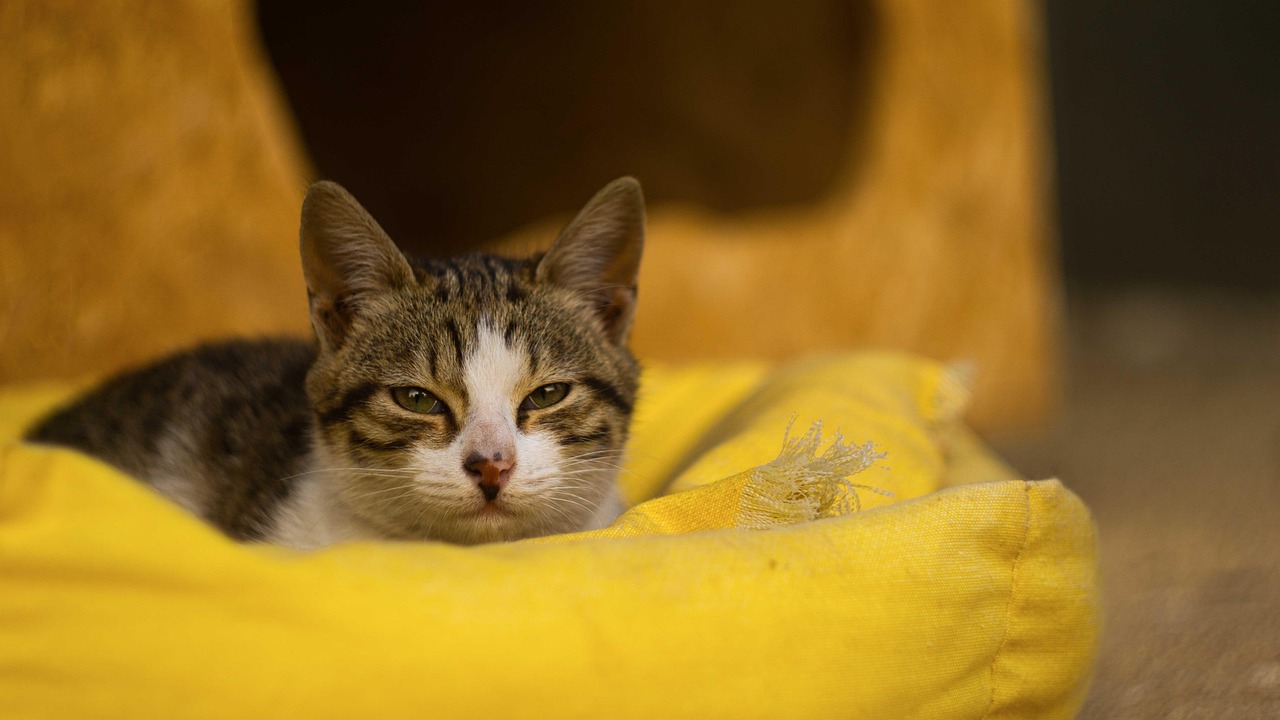

Using Eco-Friendly Materials for Sustainable Cat Shelters
When creating a cat shelter, it’s crucial to select materials that are not only comfortable and durable but also environmentally friendly. Eco-friendly materials reduce the carbon footprint and can help sustain our planet for future generations. One sustainable option is bamboo, a renewable resource known for its strength and resilience. Bamboo can be used in the construction of various cat housing components, offering both style and sturdiness. Additionally, recycled plastics are being used more frequently in the development of cat shelters. These materials can withstand harsh weather while minimizing waste. Using local materials can also cut down transportation emissions, so sourcing nearby lightweight wood can be a great choice as well. Other eco-friendly options include natural fibers, like wool or cotton, for bedding and insulation. Employing these sustainable materials not only ensures a cozy refuge for your feline friend but also contributes positively towards the environment. Moreover, choosing eco-friendly options promotes a lifestyle focused on reduction in excess waste which is essential in today’s world. Taking these steps aids in nurturing both your cats and the environment they thrive in.
In addition to the materials chosen for the structure, consider the safety aspects involved with eco-friendly cat shelters. It is vital for the longevity of these structures and the welfare of the felines within them. Make sure all surfaces are non-toxic, avoiding harmful chemicals that might pollute the environment. Selecting finishes with low volatile organic compounds (VOCs) will also make shelters safer while being eco-conscious. Protecting outdoor shelters from harsh weather by choosing breathable fabrics for the roof and walls can enhance durability while maintaining air quality inside. Furthermore, provide adequate ventilation to ensure temperature control, which will keep your feline friends comfortable. Always consider the shelter’s foundation too; using stone or concrete ensures stability and can be sourced from environmentally responsible suppliers. Lastly, implement features such as cat flaps made from recycled materials, promoting easy entry while enhancing security. These thoughtful additions to your eco-friendly cat shelters will not only keep your cats safe but also immerse them into a comfortable environment. Striking a balance between safety and sustainability will ensure your cats have a happy and healthy habitat.
Choosing Natural Insulation Materials
Natural insulation materials play a pivotal role in the creation of eco-friendly cat shelters. Such materials are effective in maintaining a consistent temperature, keeping cats warm in winter and cool in summer. One widely used material is sheep wool, celebrated for its excellent thermal properties. Wool has moisture-wicking capabilities that help to control humidity inside the shelter. Another great natural option is straw, which provides good insulation while remaining cost-effective and available. Straw also serves as bedding, creating a comfortable environment for cats to rest. Additionally, incorporating hemp or cotton insulation can provide benefits, as these materials are sustainable and biodegradable. Keep in mind that all insulating materials should be non-toxic to guarantee the safety of the animals who will reside inside. Installing insulation against the walls and roof will enhance the shelter’s efficiency, preserving energy and keeping utility costs down. These considerations should not only focus on comfort but environmentally friendly practices as well. When outfitting a cat shelter with eco-friendly insulation, it results in a cozy atmosphere, serving both the cats’ welfare and nature’s preservation.
Another important facet of using eco-friendly materials in cat shelter construction is the use of sustainable finishes. Eco-friendly paints and sealants help avoid harmful chemicals that can affect pets and the environment. Selecting water-based paints with low VOCs minimizes hazards while enhancing the look of the cat shelter. Consider using natural oils or beeswax for finishes to provide a stunning, moisture-resistant barrier while remaining non-toxic. Additionally, using recycled materials for decorative elements like reclaimed wood adds character to the shelter without new resource consumption. Thoughtful finishes can also enhance the longevity of the structure, protecting it from weather and rot while creating a visually appealing haven for your pets. When choosing these products, it’s important to ensure they are environmentally friendly and safe for animals. Investing in sustainable finishes provides peace of mind as it not only guarantees a safe place for your cats but supports eco-friendly practices too. Exposing open surfaces to sunlight can also encourage an air flow that aids in maintaining freshness inside the shelter. An eco-conscious approach to finishes ultimately safeguards both your beloved pets and the environment.
Utilizing Recycled Materials
Utilizing recycled materials is a key strategy in building sustainable cat shelters. When selecting reclaimed wood or plastics, it is important to ensure that they are treated properly to extend their lifespan. Materials salvaged from old furniture or construction sites can both provide unique aesthetic qualities and promote eco-consciousness. Look for other recycled materials like tires, which can serve as durable bases, ensuring the shelter remains stable over time. These types of materials prevent waste from entering landfills, fostering a culture of reusability that benefits the environment. Additionally, incorporating industrial byproducts such as used pallets can help create sturdy, attractive shelters on a budget. Paint or decorate these materials to add flair while maintaining environmentally friendly standards. Each decision made during construction reflects our shared responsibility towards protecting the planet. Utilizing local recycled materials offers a perfect opportunity to promote sustainability while providing a secure and inviting space for the feline community. By embracing a design that values recycling, you affirm a commitment to ecological well-being and improve the living conditions for cherished pets. This eco-friendly approach nurtures both the environment and its inhabitants.
As you embark on the journey of constructing your eco-friendly cat shelter, it’s essential to keep maintenance practices in mind. Regular upkeep not only prolongs the lifespan of sustainable materials but also keeps the shelter a safe haven for your cats. Decomposing organic materials, like straw, need replacing to maintain a clean environment. While natural materials are more forgiving, keeping them dry and free from mold is essential for the cats’ health. Regularly inspect all components of the shelter; checking for wear and damage ensures you can quickly address any issues. Additionally, sustainable shelters may require specific cleaning materials to avoid harmful chemicals. Soft, eco-friendly cleaning solutions can clear grime buildup without harming the environment or the cats. Keeping the shelters in good condition is fundamental to ensuring the wellbeing of your feline inhabitants. Regular maintenance routines promote both hygiene and functionality of these environmentally friendly spaces. Over time, understanding the need for upkeep emphasizes a commitment to sustainability. The balance between care for your cats and the responsibility towards nature showcases the true essence of an eco-friendly period for cat shelters.
Conclusion: Embracing Sustainability
Embracing sustainability in the construction of cat shelters represents a golden opportunity to influence positive change within our homes and the community. The eco-friendly materials discussed contribute significantly to reducing our impact on the planet while providing a safe haven for our pets. Applying natural materials, recycled products, and non-toxic finishes upholds a commitment to responsibility and respect for the environment. It is crucial to promote awareness around sustainable practices for both workers and consumers alike, as every little action makes a substantial difference. While adhering to eco-friendly principles in building cat shelters, we should encourage others to follow suit. Informing fellow cat owners about the benefits of sustainable choices enhances a collective mindset towards caring for our environment. Encouraging a proactive stance towards sustainability promotes a vibrant ecosystem, respecting nature and creating ample resources for future generations. Each construction project becomes more than a simple shelter; it transforms into a statement advocating for a world that values both animals and Mother Earth. The journey toward sustainability in cat housing continues, leading to happier cats and a healthier planet.
Investing in the future of our shared space showcases a prioritization of safety and comfort that transcends material choices.