
Building Confidence in Nervous Dogs Through Positive Exercise
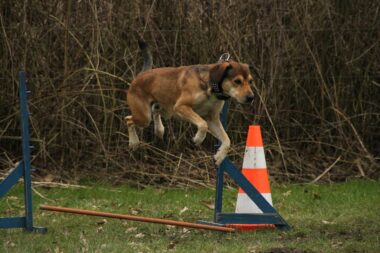
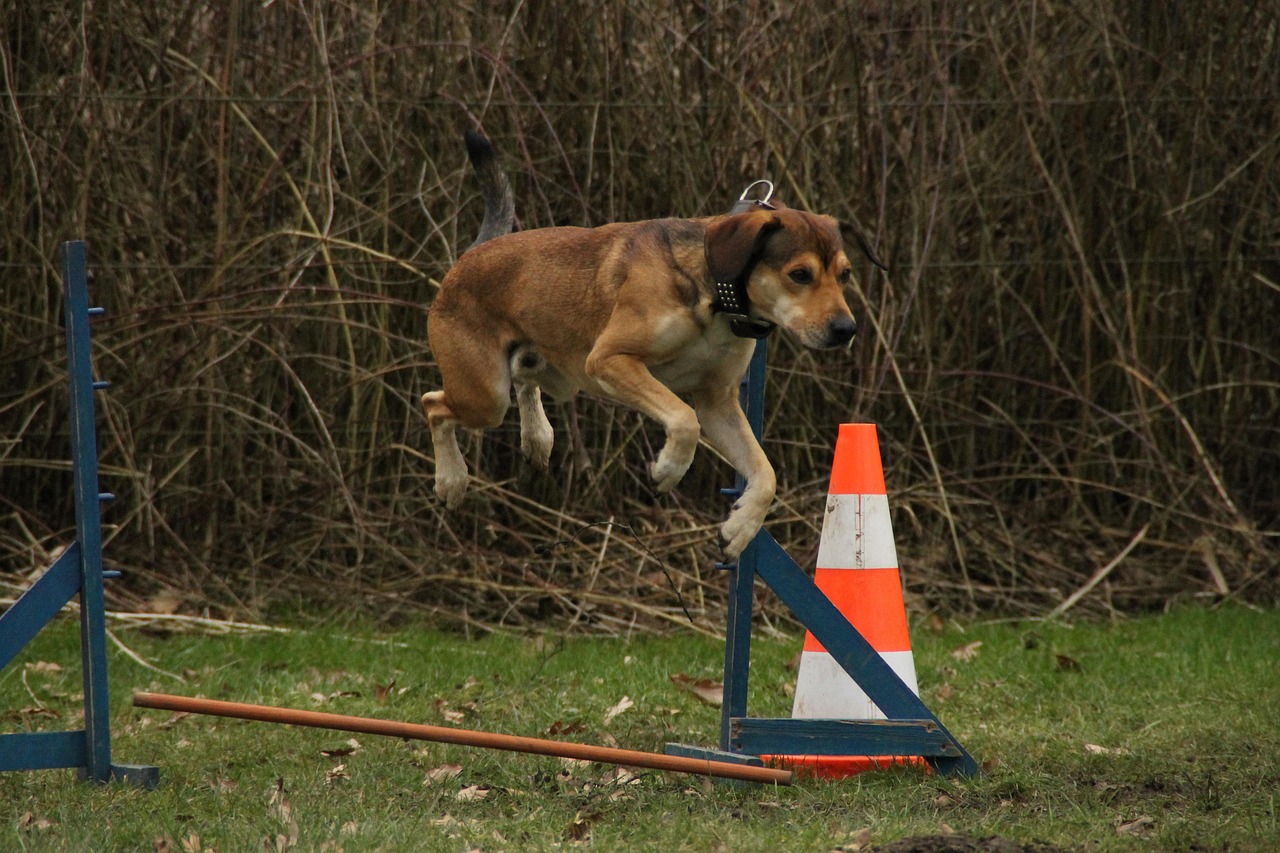
Many dog owners may observe that their canines, especially those who are nervous, struggle with confidence. Exercise plays an important role in enhancing their self-esteem. Regularly engaging in physical activities allows dogs to confront their fears, experience positive sensations, and build trust. Simple exercises like fetch, tug-of-war, or agility courses can become confidence boosters. Canine socialization through play is crucial as it exposes them to other dogs and environments, helping them adapt better. Moreover, introducing activities gradually ensures they do not feel overwhelmed. Consistent and encouraging participation can significantly change a dog’s behavior. Always end exercise sessions on a positive note to reinforce their efforts. A few gentle praises or rewards can enhance their experience and motivation. For anxious dogs, it’s essential to choose low-pressure activities that foster fun. Initially planning shorter sessions can also make a difference, as it prevents fatigue. Finding the right balance will ultimately yield better results in the long run. Venture to discover what activities capture their interest and maintain their focus for prolonged periods. Staying engaged ultimately fosters trust and companionship between the owner and the pet.
Choosing the right environment for exercising your nervous dog is a crucial factor in building confidence. Environments that are overly stimulating may contribute to heightened anxiety. Therefore, select calm and quiet surroundings where your dog feels safe. Gradually introducing them to new places can help ease their apprehension. Start with familiar areas and include slight variations as they become more comfortable. Walking in a park with fewer people or having solo playtime in the backyard can work wonders. In addition, using leashes that provide a firm grip while still allowing movement can help ensure safety. As they adapt to their surroundings, begin incorporating engaging activities. Positive reinforcement during exercises aids in further reducing fear and anxiety. Use treats or praise to reward their achievements, regardless of how small. Being consistent with reinforcement creates a strong bond of trust. Remember that a positive association with the environment contributes to lasting confidence. The objective is not just physical activity but also emotional well-being. Create a healthy balance of both by making plenty of adjustments along the way. Regularly assess their comfort levels to modify sessions according to their needs appropriately.
Incorporating Playful Interactions
Interaction during playtime can significantly boost your dog’s confidence levels. Engaging their natural instincts through interactive games is beneficial and entertaining for both parties. Activities like fetch or hide-and-seek stimulate their mental and physical states. Tailor these interactions to match your dog’s unique preferences, ensuring that they are both fun and rewarding. Letting your dog take the lead during play encourages self-confidence. Providing freedom within boundaries allows them to explore their capabilities safely. Motivation is key, so regularly switch up activities to maintain their interest. Incorporating toys they love will capture their attention, minimizing boredom. Supervision during such activities is essential, as it promotes safety and helps correct behaviors that might arise. Using toys that facilitate interaction fosters trust and deepens the virtual bond between a dog and its owner. As confidence grows, so too does their willingness to participate in various activities. Furthermore, dogs begin to understand their potential when they are encouraged to engage in varied physical experiences. This also opens avenues for learning, as they discover new skills and learn from different interactions. Maximizing playtime will ensure that their self-esteem flourishes through rewarding encounters.
Consistency and routine are essential elements of boosting confidence in nervous dogs. Regular, targeted exercise routines establish familiarity that is comforting for anxious dogs. Set specific times for daily activities, allowing your dog to anticipate joyful moments. This routine establishes a rhythm that can significantly reduce anxiety levels over time. Gradually increasing the frequency of exercise can also lead to enhanced confidence. Committing to these activities strengthens the behavioral connection between you and your dog. Achieving set goals can be made enjoyable with added efforts in structuring the sessions. Mixing outdoor walks with indoor agility activities provides varied stimuli while keeping it engaging. Creating a short script of exercises allows for easy transition and predictability. While routines are beneficial, remember the importance of flexibly adapting to your dog’s fluctuating mood and energy levels. Observing their behavior will inform you when to slow down or ramp up activities. Be responsive to their body language, as this can reveal their comfort with different exercises. The ultimate aim is for your dog to end each session with enhanced confidence, ready to tackle new challenges.
Utilizing Training Opportunities
Training exercises can serve as excellent tools in developing confidence for nervous dogs. Teaching basic obedience commands fosters sense security while building trust between the dog and owner. Commands such as sit, stay, and heel provide structure, allowing dogs to understand expectations more clearly. Incorporating treats as rewards during training sessions strengthens motivation. It creates a positive feedback loop that resonates with their instinctual needs. Short and engaging training sessions capture their interest while preventing overstimulation. Additionally, consider integrating commands into interactive tasks. This way, your dog remains engaged while learning. For instance, asking them to sit before throwing a toy creates anticipation while also reinforcing good behavior. Using training to instill confidence can also be conducted in social situations. Exposing nervous dogs to scenarios where they need to rely on their training promotes growth. You can invite friendly dogs and their owners for a training session in a controlled environment. Through mutual understanding and communication, dogs begin recognizing their abilities. The gradually evolving confidence will eventually reflect in their willingness to engage with others. For anxious dogs, focused training enhances mobility and adaptability, leading to overall improved behavior.
By recognizing basic body language signals, owners can enhance the exercising experience for their nervous dogs. Understanding when your dog feels anxious, stressed, or uncertain while exercising is crucial for effective communication. Watch for key indicators, like tail between the legs or dropped ears, which signify discomfort. At these moments, adjusting your pace or activity level can reaffirm their safety and security. Introducing breaks is a practical way to help them relax if needed. Offering a toy or treat during these breaks can prevent anxiety escalation and reinforce confidence. Even subtle changes in your body language can impact your dog’s feelings. Maintaining an upbeat demeanor during exercises encourages your dog to feel positive. By staying calm and encouraging, their insecurities can shift to brave explorations. Celebrating even the smallest milestones fosters an uplifting atmosphere. Engaging activities such as team games can also promote collective excitement. The key is ensuring your dog associates exercise with positivity and fun. Daily observations will deepen your connection and understanding of their emotional needs, leading to qualitative improvements in their behavior. Attentiveness creates a healthy environment for your dog to flourish confidently.
Creating Goal-Oriented Exercises
Setting achievable goals can help in enhancing the self-assurance of nervous dogs. Starting with simple, manageable targets allows for easier progress. Gradually increasing complexity as your dog’s confidence grows helps maintain engagement. Not only do these goals motivate dogs, but they also provide clear direction for practices. Be it mastering new tricks or lengthening daily walks, each accomplishment serves as a positive reinforcement. Additionally, consistently revisiting established goals can cultivate pride in achievements. A structured approach encourages dogs to aim higher while lowering anxiety levels. Consider documenting their progress with a journal, noting behaviors, improvements, and reactions. Such observations allow you, as the owner, to understand triggers better and refine practices. Incorporating varied environments for goal practice ensures adaptability. Training in different locations rewards flexibility and resilience. Consider engaging in group training where socialization principles can elevate confidence levels. Celebrate small wins with praises, treats or playtime. Seeing progress should be reinforcing, deepening trust with you. Additionally, utilizing foster programs allows nervous dogs to practice skills in safe settings. The ultimate goal is to enhance their independence and adaptability, with tangible improvements reducing fear further.
Understanding the importance of patience during exercises will benefit both owners and nervous dogs. Confidence development takes time, and every dog progresses at their own pace. Staying patient and consistent through the journey will foster trust and understanding between the two. Owners must recognize signs of readiness versus apprehension, adjusting expectations accordingly. When faced with setbacks, reassessing options and presenting shorter exercises is often helpful. Moreover, take advantage of quiet moments to bond naturally with your dog. Walking quietly through relaxed parks as they explore gradually reinforces bonding and trust. Seek professional help if necessary, such as a certified dog trainer who specializes in anxiety management. Their expertise can guide you through tailored exercises that address specific areas of concern. Dogs respond well to leadership, making it vital for owners to establish clarity. The ultimate aim remains helping your dog flourish with confidence over time. Each incremental step of progress leads to better results. Regularly reviewing your achievements as a team will enhance the companionship shared. Your understanding will further improve, enhancing emotional support. The journey of building confidence will transform both the dog and owner, leading to a deeper, more fulfilling relationship.