
Top Hazards for Dogs in Crowded Urban Areas
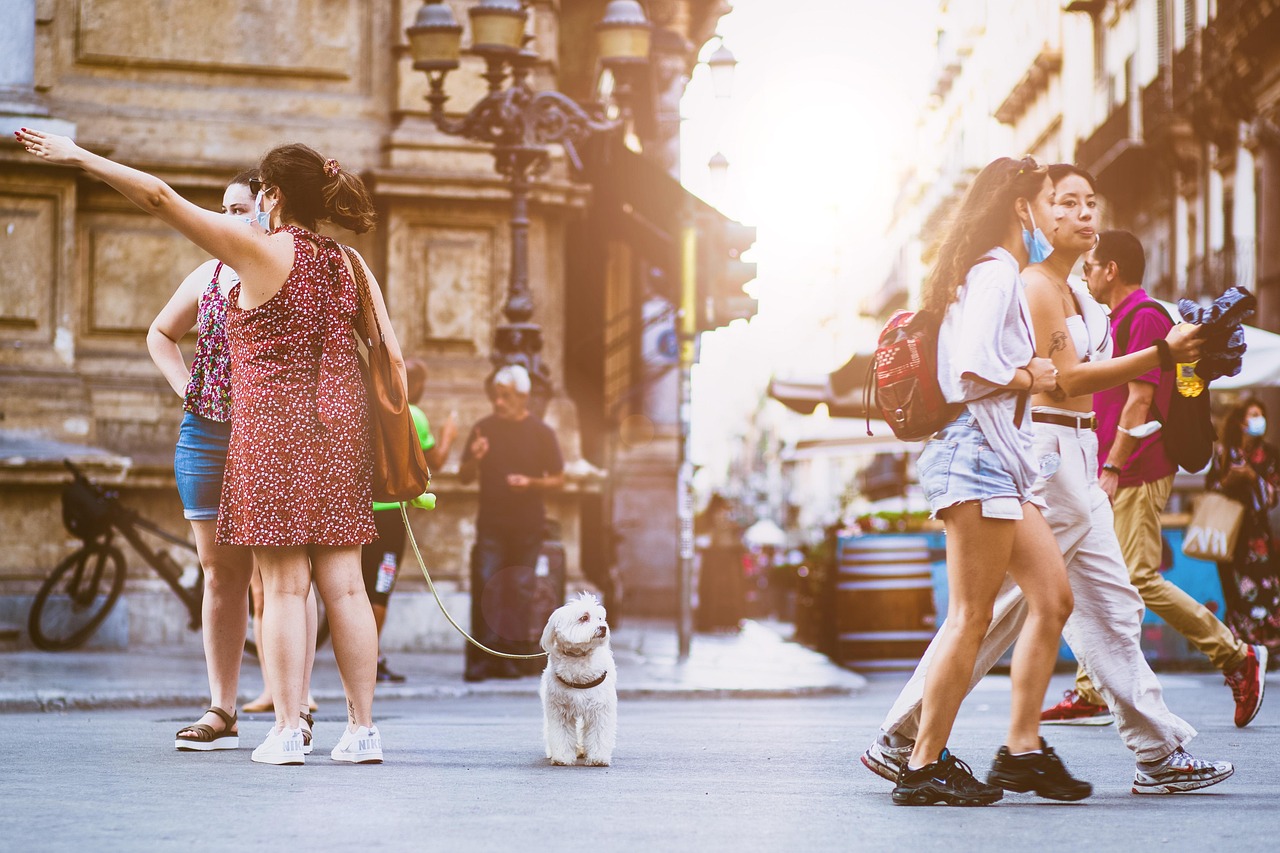
One of the major challenges for dogs in crowded urban areas is the overwhelming noise. Loud sounds, such as honking cars, construction work, and large gatherings, can create significant anxiety for dogs. This anxiety can lead to unexpected reactions. Stress in such environments may cause dogs to bark excessively, pull on their leash, or even attempt to escape their owner’s control. To help mitigate this, owners can train their dogs to feel more comfortable with desensitization to these sounds. Gradually exposing them to similar yet controlled noise can assist in reducing fear responses. Additionally, providing them with a safe space or a calming tool, like a blanket or toy, can be beneficial. Urban areas often come with the condition of moving quickly. Owners must be vigilant, as a startled dog could dash off the sidewalk, putting itself in danger. Using a harness with a leash can help maintain better control during these situations. Keeping the dog close, choosing quieter paths, and understanding their habits can greatly enhance the safety of walking a dog in such hectic conditions.
Another serious concern for dogs in crowded urban settings is the abundance of unfamiliar people. Dogs are generally social animals, but they can become anxious or defensive when approached by strangers, especially when they feel trapped or unable to retreat. This may result in growling or even biting if the dog feels threatened. Owners should educate themselves about dog body language and recognize when their dog is uncomfortable. Promoting positive interactions by allowing dogs to meet people at a safe distance can ease tension. Training a dog to respond to commands or cues from a distance can help maintain safety in unfamiliar environments. It’s essential to understand that not all dogs enjoy being petted by strangers. Some may need more time to adjust or prefer to observe from afar. Taking this into consideration and not forcing interactions can lead to a more enjoyable urban experience. Dog owners should also be aware of potential allergies or scent sensitivities as they navigate through the crowd. Keeping the dog on a short leash can help prevent unwanted encounters and maintain safety in busy areas.
Traffic Hazards
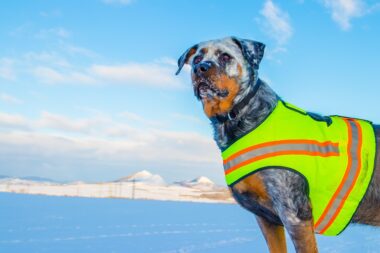
In urban areas, traffic poses a significant danger to dogs. Busy streets with constant car movement can be hazardous, especially for distracted dogs. A dog might bolt into the street, risking severe injury or even death if not carefully monitored. It’s crucial for dog owners to instill a strong recall command in their pets and to practice it regularly. Teaching dogs to stay close and remain attentive while walking is vital for their safety in such environments. Using reflective collars or leashes and walking during daylight hours can increase visibility for both the dog and the owner. Even with careful monitoring, accidents can happen; so being prepared with veterinary contact information and pet insurance is wise. Owners should also familiarize themselves with dog-friendly crossings and may wish to use designated dog routes when available. Avoiding busy areas altogether when not necessary can also be beneficial. In extreme cases, considering specialized equipment, like a dog stroller, can help keep pets safe if an owner must traverse particularly troublesome streets. Keeping dogs away from venues that do not allow pet entry can also help minimize exposure to hazards.
Another overlooked hazard in urban environments is the presence of aggressive dogs. Encounters with aggressive dogs can easily turn dangerous and intimidating for both the pet and its owner. Owners should always be vigilant and cautious when spotting an approaching dog, especially if it shows signs of aggression, such as baring teeth or growling. Having an emergency plan is wise, including carrying a deterrent spray. Cross the street or move to a secure area to avoid confrontation. Training sessions can teach dogs to remain calm and to trust their owners’ commands in such situations. Socialization at an early age may also help combat anxiety and fear toward other dogs. Awareness of local dog parks and agreements about leash laws is important to reduce the chances of negative encounters. Dogs should only play with others known for being well-behaved and socialized. Understanding a dog’s limits and signs of discomfort while interacting with other dogs is also crucial for their emotional health. Ultimately, knowing when to avoid specific encounters is equally important for dog safety in this particular urban setting.
Health Risks in Crowded Areas
In crowded urban places, the health risks dogs face can greatly increase. An increase in foot traffic exposes dogs to all manner of terrain and substances, which can be harmful. Broken glass, sharp debris, or toxic waste could lead to injuries or infections. Regular checks on dogs’ paws for cuts or foreign objects after walks can help ensure their safety. Furthermore, dogs may be exposed to various pathogens due to the sheer volume of other animals. Ensuring that vaccinations are up-to-date can protect against diseases like kennel cough and parvovirus. Additionally, maintaining a solid flea and tick preventative schedule is essential. The risk of flea infestations is often more significant in crowded areas, as dogs may come into close contact with many other dogs. Owners should also watch for signs of illness, such as lethargy or loss of appetite, that could indicate a more serious condition requiring veterinary intervention. Keeping medications handy, such as an antiseptic skin ointment, is a good practice for swift action against minor injuries. Dogs can thrive even in crowded environments if their health is regularly monitored and cared for.
A significant risk that dogs encounter in urban areas is the pressure from unfamiliar scents and food remnants. The overwhelming aromas can lead to excessive sniffing and eating behaviors that can cause digestive issues. Dogs may consume things they find on the ground, whether food or litter, which could lead to gastrointestinal problems or poisoning. Owners should be proactive by teaching the ‘leave it’ command to prevent ingestion of harmful substances. Additionally, providing opportunities for mental stimulation through toys or puzzles can reduce the urge to scavenge during walks. Regular feeding schedules help deter dogs from snacking on the go. Bringing healthy treats for dogs during outings can offer an alternative and keep them engaged while on walks. Some cities also have dog parks where owners can supervise their pets in a controlled environment. This helps dogs socialize and burn off excess energy without the risk of encountering various hazards. Awareness of the surroundings and having a cautious approach will ensure the well-being of dogs while navigating busy urban areas safely.
The Importance of Leash Laws
Leash laws exist for good reason, especially in urban areas where safety becomes paramount for both dogs and their owners. Leashes act as critical connectors, providing control in crowded environments where distractions abound. Ensuring that dogs remain restrained prevents them from running into the road or creating chaos among pedestrians. Being familiar with your area’s specific leash laws is important for compliance and community respect. Keeping dogs on leashes while walking through parks or public places minimizes encounters with aggressive dogs, wild animals, or sudden urban hazards. In some cities, retractable leashes are popular; however, they require responsible use to ensure they do not create dangerous situations. Sometimes, especially in crowded areas, shorter leashes give more direct control. Training sessions should reinforce the importance of following commands on-leash to prepare for unexpected scenarios. Being proactive about leash training and being knowledgeable about local laws enhances public safety. Moreover, creating a routine where leashed walks are part of daily exercise can nurture responsibilities in owning a dog. Thus, adhering to leash laws while being responsible elevates the safety of dogs in urban areas.
Finally, one must not overlook the physical environment and potential dangers dogs face. Urban areas are often dense, with construction sites, uneven pavements, or open manholes presenting risks. Injuries can occur if dogs stumble or fall in such spaces, leading to chronic pain or injuries requiring veterinary care. Owners should remain attentive to changes in terrain and avoid routes that pose potential hazards. Rastering off-walk routes with less foot traffic may allow them to explore safely and enjoy walks without the risk of a sudden obstacle. Additionally, being aware of the weather conditions is crucial, as certain surfaces can be hot or cold enough to hurt paw pads. In hot weather, asphalt can retain heat and injure sensitive feet, while icy conditions may pose slipping hazards. During walks, responsible owners will prioritize their dogs’ safety over a fast-paced route. Carrying a first-aid kit can also be a smart precaution against minor injuries sustained during outings. There’s immense value in protecting our canine companions against the rigors of urban living when awareness is prioritized by their owners. Responsible pet ownership in crowded areas enriches dogs’ lives and fosters healthy, happy interactions.