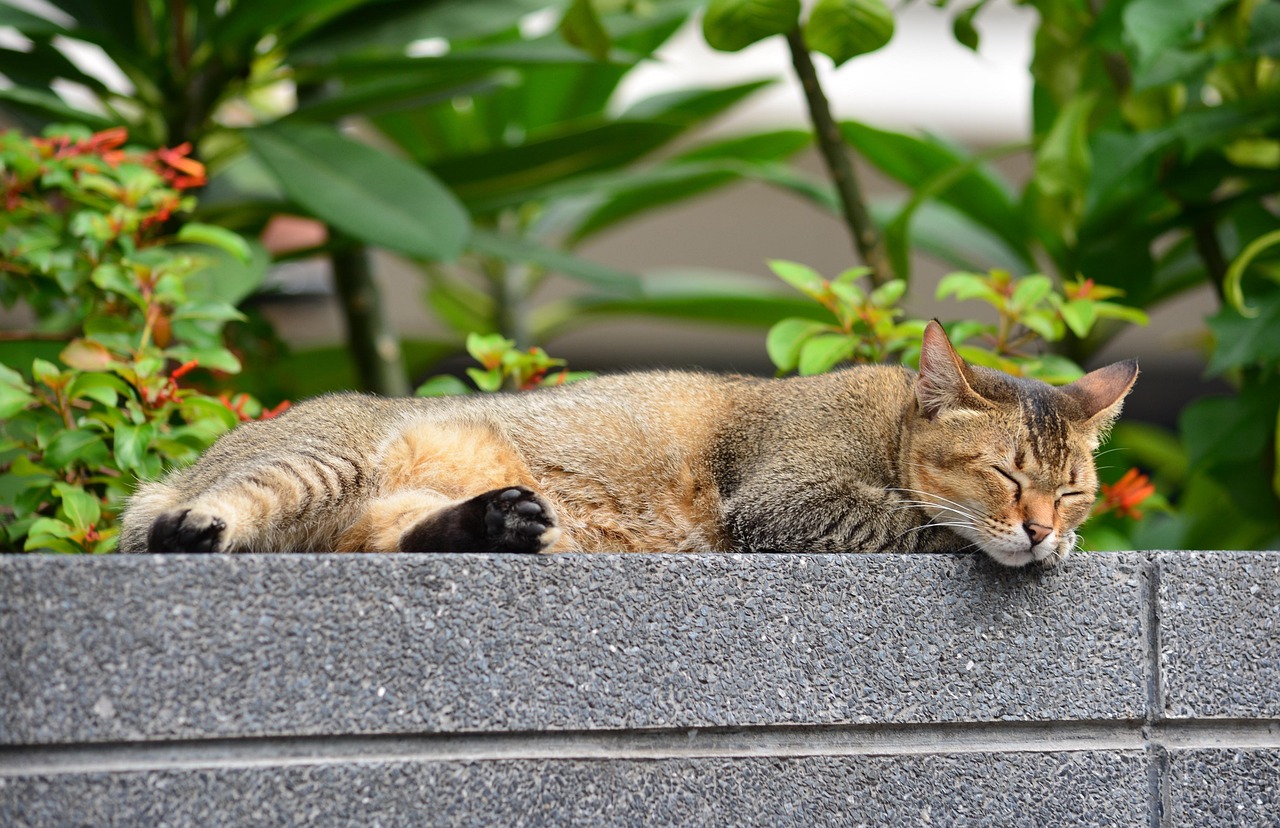

Why Does My Cat Sleep So Much? Understanding Feline Rest
Understanding your cat’s sleeping habits is crucial for any cat parent. Cats are known for their propensity to sleep excessively, often resting up to 16 hours a day. This can be surprising for first-time cat owners who may wonder why their furry friends spend so much time napping. Various factors contribute to a cat’s need for sleep. First, it’s essential to understand that cats are natural predators. In the wild, they would sleep throughout the day and become active during twilight hours to hunt their prey. This behavior stems from their evolutionary background. Cats are crepuscular animals, which means they are more active during dawn and dusk. Sleeping during the day can also save energy for when it is most needed. Moreover, the specific breed can influence sleep patterns. Some breeds, like the Persian or Maine Coon, may have more relaxed tendencies, while others, such as the Abyssinian, may be more energetic. Temperature also plays a role since cozy, warm environments encourage restful sleep. Understanding these factors can help enhance your cat’s overall well-being.
It’s also important to note the impact of age on a cat’s sleeping behavior. Kittens typically sleep more than adult cats, often reaching up to 20 hours of sleep per day as they grow and develop. This extensive sleep is crucial for their growth and cognitive development. As cats mature, their sleep needs may stabilize, but elderly cats often require an increased amount of rest due to their decreased energy levels. Older cats may also experience health-related issues that can affect their energy and activity levels, leading them to nap more frequently. If you notice any drastic changes in your cat’s sleep patterns, consult with your veterinarian, as this could indicate underlying health concerns. Environmental factors, such as changes in household dynamics, can also play a role in your cat’s sleep. Stressful situations, like moving or new pets, may lead to increased napping as a coping mechanism. Furthermore, a secure and comfortable sleeping environment can enhance sleep quality. Providing cozy beds and warm spots can encourage restful sleep for your feline friend.
Cognitive Benefits of Sleep
Sleep is not only vital for your cat’s physical health but also for cognitive well-being. Cats, like humans, require adequate sleep to process memories and learn new skills. During sleep, their brains consolidate experiences, enhancing their abilities to respond to their environment. A well-rested cat is generally more alert and engaged in its surroundings. If your cat seems lethargic or unfocused, it might be a sign that it isn’t getting enough quality sleep. Ensuring that your cat feels safe and secure in its sleep space can help improve the quality of rest. Consider using calming pheromone diffusers or sprays to alleviate any stress that may interrupt their sleep. Active play sessions before bedtime can also help, as they can tire your cat out, promoting a deeper sleep state. Introducing a regular play schedule can ensure your cat gets enough physical activity, which can lead to better sleep. Observing your cat’s behavior after adjusting their play or sleep environment can provide insights into their health and happiness.
Moreover, the sleeping habits of cats can differ based on their living conditions. Indoor cats tend to have different sleep patterns than outdoor cats. Indoor cats might follow a more routine-based sleep schedule, influenced by their owners’ daily activities. With their humans often leading a predictable lifestyle, cats may sync their sleeping time accordingly. Conversely, outdoor cats usually have irregular sleep cycles due to exposure to competing factors, including the need for vigilance against predators or other dangers. This unpredictability can lead to shorter, more fragmented sleep intervals. Watching your cat closely may help you identify unique patterns in behavior tied to their environment. Cats may also sleep with their owners or in areas where they feel safe, enhancing their sleep quality. This is especially true if they have bonded closely with their human companions. Encouraging a calm and inviting environment can foster peace, allowing your cat to enjoy well-deserved rest and playtime, ensuring that both play and sleep are harmoniously balanced.
Signs of Sleep Disturbances
While cats are known for their sleeping habits, vigilance regarding any changes in their sleep patterns is essential. If your cat is sleeping more than usual, it could indicate underlying medical problems or behavioral issues that require your attention. Watch for signs such as excessive grooming or reduced interaction levels, which may signal distress or discomfort. A sudden increase in sleep may indicate lethargy, warranting further examination by a vet. Similarly, if your cat exhibits difficulty settling down for sleep, pacing, or vocalizing during the night, these may be symptoms of anxiety or discomfort. If you notice these behaviors, you can take steps to remedy the situation by creating a more soothing environment for your cat. Implementing soothing routines, like calming sounds or gentle lighting during nighttime, may help your feline friend relax. Also, ensure that your cat has access to comforting resources, like a favorite blanket or toy, to help promote a restful sleep environment and ensure a calm, peaceful setting.
Feeding routines can also impact your cat’s sleep patterns. Cats that eat large meals right before bedtime may experience discomfort, leading to restlessness and disrupted sleep. To prevent this, consider adjusting meal times to allow for digestion before sleep. Feeding smaller, more frequent meals can help ensure that your cat isn’t feeling overly full or uncomfortable. This approach not only helps with sleep quality but can also assist in weight management, which is essential for maintaining overall feline health. Additionally, be mindful of the types of food being offered. Certain foods can have stimulating effects, leading to heightened energy levels, whereas others might have a calming influence. Be aware of your cat’s reactions to different foods, as this helps in shaping effective feeding routines to promote healthy sleep patterns. As you adjust your cat’s diet and routines, observe how these changes affect their sleep. Positive changes in their sleeping habits will provide reassurance that you are creating a supportive, nurturing environment.
Conclusion
Understanding your cat’s sleeping habits is fundamental for creating a nurturing environment that enhances their well-being. By recognizing the significance of sleep in your cat’s life, whether it be for energy conservation or cognitive processing, you can take steps to promote a healthier sleep environment. From adjusting feeding routines to providing cozy rest areas, every effort counts. Monitoring behavior and noting any changes helps you recognize when to seek veterinary assistance, ensuring your cat remains happy and healthy. Embrace the fact that sleep is inherently linked to your cat’s overall happiness and health. By honoring their need for consistent sleep and recognizing factors influencing their sleep patterns, you can foster vital connections with your feline companion. Cats express their unique personalities through their behaviors, including sleep habits. Equip yourself with knowledge and tools to support their needs for rest. This understanding fosters deeper bonds, enriching the shared experiences with your pet, ultimately leading to a rewarding life together filled with love, play, and plenty of restful days.
Understanding your cat’s sleeping habits is crucial for any cat parent. Cats are known for their propensity to sleep excessively, often resting up to 16 hours a day. This can be surprising for first-time cat owners who may wonder why their furry friends spend so much time napping. Various factors contribute to a cat’s need for sleep. First, it’s essential to understand that cats are natural predators. In the wild, they would sleep throughout the day and become active during twilight hours to hunt their prey. This behavior stems from their evolutionary background. Cats are crepuscular animals, which means they are more active during dawn and dusk. Sleeping during the day can also save energy for when it is most needed. Moreover, the specific breed can influence sleep patterns. Some breeds, like the Persian or Maine Coon, may have more relaxed tendencies, while others, such as the Abyssinian, may be more energetic. Temperature also plays a role since cozy, warm environments encourage restful sleep. Understanding these factors can help enhance your cat’s overall well-being.