
Emerging Tick-Borne Parasites in Dogs: Risks and Prevention
As pet owners, understanding the risks associated with emerging tick-borne parasites is essential for our dogs’ health. These parasites, transmitted through ticks, can lead to significant health issues if not addressed promptly and effectively. The rise in the population of ticks has brought forth various parasites that were previously considered uncommon, heightening the need for awareness and prevention. Among these emerging threats are the highly pathogenic organisms like Lyme disease and Anaplasmosis. Regular veterinary check-ups and awareness of the local tick prevalence can aid in creating a preventive strategy. Factors contributing to this rise include climate change, enabling ticks to thrive in previously inhospitable areas, and changes in wildlife populations. Pet owners should be proactive by utilizing parasite prevention programs and keeping their dogs’ environment clean. This includes regular grooming and inspection for ticks after outdoor activities to minimize exposure. It is vital to recognize which breeds may be more susceptible to severe reactions or complications associated with tick-borne diseases. By remaining vigilant, we can greatly reduce the risks these emerging parasites pose to our beloved dogs.
Tick-borne parasites can cause various illnesses in dogs, ranging from mild symptoms to severe, life-threatening conditions. It is crucial to be aware of these potential health risks so you can take preventative measures. Common tick-borne diseases include Lyme disease, Ehrlichiosis, and Rocky Mountain spotted fever. Each of these illnesses presents unique symptoms, often making early detection challenging. Signs may include fever, lethargy, joint pain, or swollen lymph nodes. Lyme disease, for example, may lead to more serious complications, including kidney failure if left untreated. Therefore, promptly addressing any tick-related symptoms is essential. Additionally, regular veterinary checkups will provide you with updated information on vaccination protocols and diagnostic testing for tick-borne diseases. Engaging your veterinarian in discussions about your dog’s health can ensure a proactive approach to parasite control. Vaccines and preventive medications play a significant role in safeguarding your pets from these parasites. The choice of products should be tailored to your dog’s lifestyle and local tick population dynamics. The development of effective tick prevention strategies is an important component of responsible pet ownership.
Understanding Tick Life Cycles
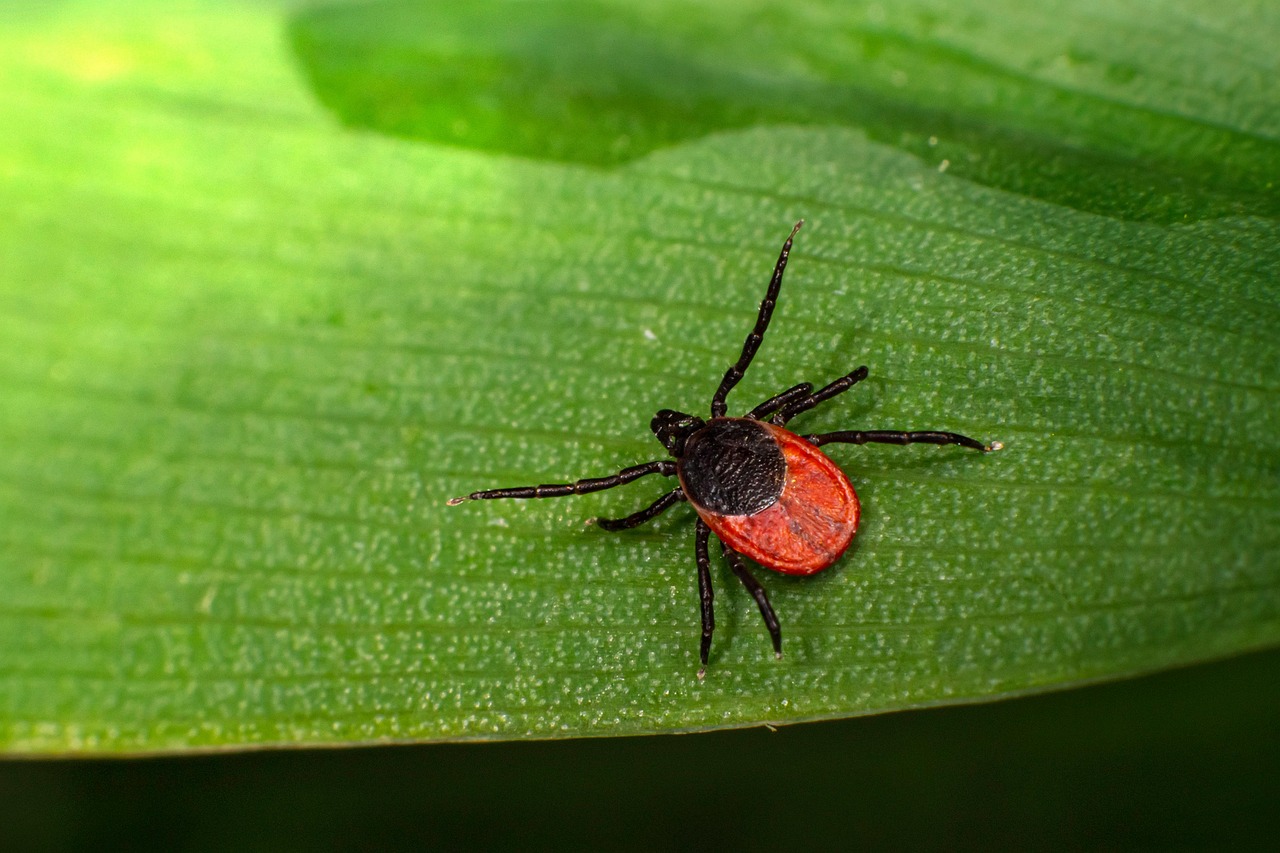
To effectively mitigate the risks associated with tick-borne parasites, understanding the life cycle of ticks is essential. Ticks go through four life stages: egg, larva, nymph, and adult. Understanding these stages is crucial for identifying peak seasons and appropriate prevention strategies. During the early spring to late fall, ticks are most active, particularly in humid environments. Larvae typically emerge in late summer, feeding on small animals and developing into nymphs, which are notorious for transmitting diseases to dogs. Adult ticks are most commonly found in wooded or grassy areas, and they will attach to larger hosts, including our pets. During each life stage, their quest for a blood meal is what subsequently leads to the transmission of parasites. Routine checks post-walks or hikes in the outdoors, especially during peak tick season, can dramatically reduce the chances of infestations. Maintaining your yard through regular mowing and removing debris can eliminate potential tick habitats. Moreover, using preventative medications and tick collars can provide an added layer of defense against these parasites. Knowing how and when to prevent ticks helps avoid serious health issues.
In addition to knowing tick life cycles, employing effective prevention methods is crucial. Various products available on the market can help protect your dog from tick infestations. These include topical solutions, oral medications, and tick collars that deter or kill ticks. The importance of consulting with your veterinarian cannot be overstated, as they can recommend the best options tailored to your dog’s needs and lifestyle. Consistency is vital when applying these preventive solutions, as improper application can lead to reduced effectiveness. Furthermore, regular grooming practices, including brushing your dog’s coat and inspecting for ticks, play a significant role in prevention. During outdoor adventures, avoiding tall grass and wooded areas can substantially reduce tick exposure. Additionally, being mindful of your pet’s environment—both at home and in public areas—can also minimize risk factors. Quick responses to potential tick bites, like thorough tick removal as soon as a tick is found, will decrease the likelihood of disease transmission. Educating yourself on how to remove ticks correctly is essential. This proactive approach ensures ongoing vigilance against these dangerous parasites.
Recognizing Symptoms of Tick-Borne Diseases
Understanding how to recognize symptoms of tick-borne diseases in your dog is crucial for early treatment. The clinical signs may vary significantly depending on the specific parasite involved. For example, Lyme disease may cause lameness due to joint inflammation, while Ehrlichiosis can lead to fever and shivering. Dogs may exhibit a lack of energy or appetite changes, as well as unusual behavior patterns, indicating something is wrong. Be alert to persistent consumption of water or frequent urination, which can signal kidney issues related to tick diseases. Regular observation of your dog’s behavior and health status allows for timely identification of potential illness. If you observe any concerning symptoms, a prompt visit to the veterinarian is paramount. Early diagnosis can lead to successful treatment and avoid complications, such as chronic health issues or lengthy recovery periods. Awareness amongst pet owners regarding the various diseases can empower them in taking preventative measures. Moreover, educating others about the importance of tick awareness can foster a more informed pet community. Focused discussions on these topics can save lives and improve the overall well-being of dogs.
Ensuring that your dog receives timely veterinary care is essential in combating the threats posed by emerging tick-borne parasites. When you suspect your dog may have a tick-borne disease, be clear with your veterinarian about symptoms observed. Diagnostic tests, including blood tests, can confirm the presence of specific parasites. Once diagnosed, your veterinarian will provide recommendations for the most effective treatment options. Antibiotics are commonly used for infections like Lyme disease, while other medications may be prescribed for different conditions. Following your veterinarian’s guidance, attending follow-up visits, and monitoring your dog’s health are essential practices to ensure an overall positive outcome. Keeping an open line of communication with your veterinarian is crucial for adjusting treatments and addressing any complications that may arise during recovery. Additionally, preventive vaccinations may be recommended in some cases, depending on exposure risk levels in your area. The ongoing evolution of parasite threats necessitates an adaptable approach towards dog health management. Empowering yourself with knowledge on treatment options plays a vital role. This continued education will improve both the quality and longevity of your dog’s life.
Conclusion: Staying Informed is Key
In conclusion, staying informed about emerging tick-borne parasites is essential for responsible dog ownership. Awareness of risk factors, life cycles, symptoms, and preventive measures can significantly improve your dog’s chances of avoiding possible infestations. Understanding the urgency of recognizing symptoms and seeking prompt treatment cannot be overstated. Continuous research into tick-borne diseases helps in the development of effective prevention and treatment protocols. As climate change causes ticks to spread to new regions, the importance of proactive pet care is further highlighted. Regular consultation with your veterinarian will ensure that you are utilizing the most effective prevention strategies specific to your dog’s needs. Your dog’s well-being is a shared responsibility, making it fundamental to educate yourself and others about the threats posed by ticks and associated parasites. Your proactive measures can help create a safer environment for your pets and reduce the chances of significant health risks. By making informed decisions and utilizing available resources, you ensure that your furry family member remains happy and healthy. Ongoing vigilance and education are the keys to protecting your dog from dangerous tick-borne diseases.

The knowledge you gain today will not only safeguard your pet but also contribute to a healthier community overall. Educating yourself about the various tick-borne parasites will ultimately lead to better outcomes for all pets. Taking action now means the difference between prevention and treatment down the line. Make informed choices, visit your veterinarian regularly, and share this knowledge with fellow pet owners. Together, we can build a safer, healthier environment for our dogs and minimize the impact of emerging tick-borne parasites.