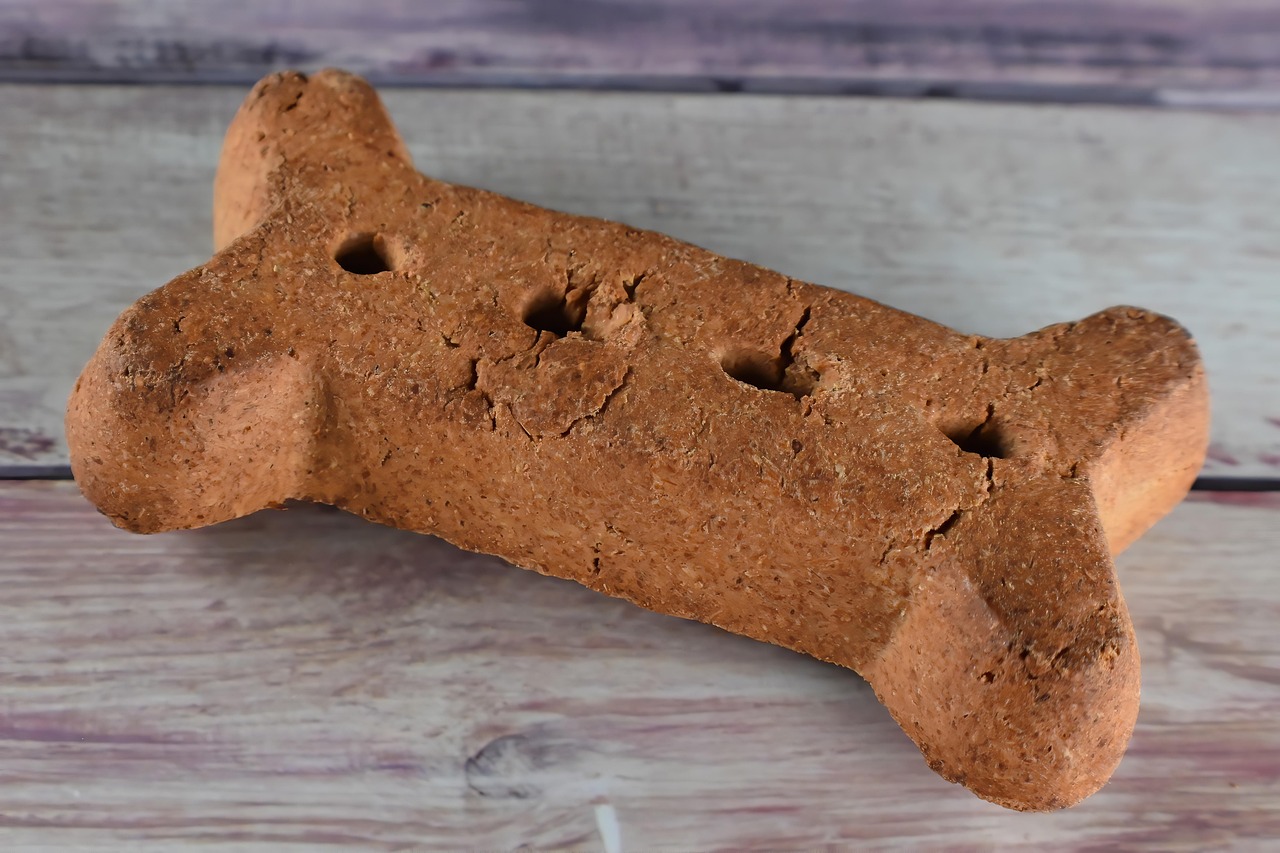

Using Treats to Reinforce Positive Behavior in Dogs
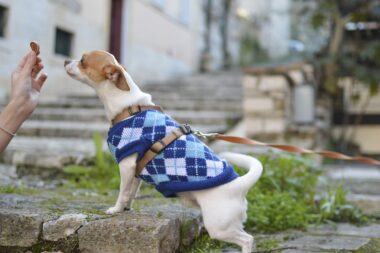
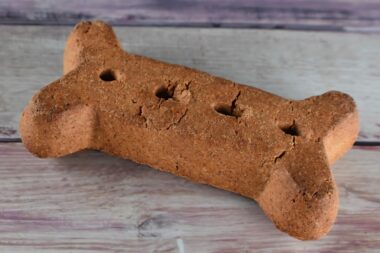
Training your dog effectively involves understanding how they respond to positive reinforcement, particularly using treats. When used judiciously, training treats serve as an effective motivational tool to correct behaviors. Dogs naturally love food, so incorporating tasty rewards into training sessions can stimulate engagement. It’s important to choose high-quality treats that are small and easy to consume to maintain momentum during training. Consider using low-calorie options to prevent weight gain while still providing motivation. Additionally, you can prepare homemade treats tailored to your dog’s preferences, ensuring they’re enthusiastic participants. Consistency is key, so it’s vital to give the treat immediately after the desired behavior is exhibited. This timing helps the dog connect the action with the reward more effectively. Furthermore, as your dog progresses, you can gradually reduce the feeding of treats and substitute verbal praise or playtime to extend the positive interaction. By setting clear expectations and using treats wisely, you can create a fun training environment that fosters learning and strengthens your bond with your dog. Ultimately, choosing the right treats can make the training process enjoyable for both you and your furry friend.
Moreover, when beginning a training regimen, it’s essential to establish a consistent schedule. Dogs thrive on routine, and knowing when they can expect training sessions will prepare them mentally and physically. Incorporating treats as part of a broader reward-based system can enhance this routine. The more predictable the environment and the rewards are, the more likely your dog will feel secure and eager to please. Remember to vary the treat types, as dogs can get bored with the same rewards over time. This diversity keeps them interested and motivated throughout the training process. You can also integrate other rewards like toys or affection along with treats to keep the training sessions lively. The use of treats can help curb negative behaviors, translating well into a more obedient dog. When combined with patience and love, the use of treats as an incentive creates an atmosphere conducive to learning. By being mindful of treat impact on your dog’s overall health, you can use this training tool effectively while ensuring your dog remains fit and happy. Always keep a close eye on their physical condition as you integrate treats into the training process.
The Science Behind Positive Reinforcement
Here, we delve deeper into the psychological framework of positive reinforcement and its importance in dog training. This concept relies on the principle that behaviors followed by positive outcomes are more likely to be repeated. By utilizing treats as a reward, you instill in your dog the understanding that good behavior leads to pleasant experiences. This training technique is supported by significant behavioral studies demonstrating the efficacy of reward-based training. Notably, it fosters not just obedience but also increases a dog’s confidence. Dogs trained through reward systems tend to develop better socialization skills with other animals and humans as they are less anxious about interactions. It’s vital to ensure that the treats used do not overshadow the pleasant interactions of training. For instance, pairing treats with commands can enhance clarity. The immediate feedback they receive from your words and actions encourages a deeper understanding. Over time, through consistent use of treats, dogs begin to respond to commands in anticipation of rewards. This natural reinforcement cycle promotes quick learning and more profound behavioral changes, effectively shaping the dog’s behavior positively over time.
To maximize the effects of using treats in training, consider varying the size and type according to the specific behavior. For instance, for simple commands like ‘sit’ or ‘stay,’ use smaller treats so your pet doesn’t become full right away. When introducing more complex commands or tricks, you can opt for larger treats. The differentiation in treat sizes can create an understanding of the command’s difficulty to your dog. Moreover, treat choices can be more than just nutritional; they can be influenced by your dog’s favorite flavors or textures. Experimenting with various items will help identify what keeps your dog most engaged during training sessions. Don’t forget to combine interactions and praise alongside treats, creating a more fulfilling experience. Your praise reinforces the dog’s understanding that they have done well. As dogs excel at associating behavior with the type of reward, maintaining their interest becomes significantly simpler. Keeping a log of which treats result in the best responses can be beneficial for future training sessions. This practice will link reward types with positive experiences and long-term behavioral success.
Encouraging Long-Term Behavioral Changes
Ensuring the effective use of treats in training assists in encouraging long-term behavioral change. As dogs learn new behaviors, it’s crucial to consistently reward those actions, gradually reducing treats over time while maintaining verbal praise. Continuous reinforcement during training can help solidify the learned behavior. Eventually, your goal is to ensure your dog responds reliably without the constant presence of treats. Successful training is not just about immediate results but nurturing positive behaviors to become an ingrained habit within your dog. It often takes time and consistency for habits to form; patience is important. Shifting away from treats focuses the dog’s attention more on you rather than food, strengthening your communication and bond. You can incorporate variable rewards, where sometimes treats are given and sometimes not, leading to exciting unpredictability without losing the behavior. This method aligns closely with natural learning processes found in the wild. As your dog adjusts and understands expectations, the need for treats diminishes, creating lasting behavioral change. This tactic fosters reliable obedience while developing a deep emotional connection, highlighting that good behavior is rewarding in itself across different contexts.
In addition to employing treats for reinforcement, it’s equally important to recognize undesirable behaviors that may require another approach. While positive reinforcement is beneficial, it’s essential to address behaviors asserted through fear or aggression differently. Identifying causes can often stem from anxiety or past trauma, highlighting the need for professional assistance in these cases. Incorporating training tools, such as gentle leaders or harnesses, can support a dog’s safety while they learn. If the unwanted behavior is prevalent during training sessions, opt for redirecting attention towards desired actions rather than punishing or reprimanding. Ensuring a comfortable and safe space allows the dog to thrive in its environment. Professional trainers can offer personalized support, incorporating treats effectively even in challenging situations. Additionally, training classes offer socialization benefits, simultaneously addressing behavioral finesse. Workshops can teach the effective use of rewards while fostering a communal environment for both dog and owner. Therefore, integrating a solid training foundation can yield remarkable results utilizing treats while appropriately managing undesirable behavior through trust-building techniques. This broader approach ensures holistic success in dog training.
Conclusion: The Importance of Patience in Training
Ultimately, patience plays a critical role in the journey of training your dog using treats. Dogs are unique individuals, and their learning pace may differ significantly. It’s essential to understand that some dogs may take longer to grasp new commands while others may learn swiftly. Keeping a relaxed attitude during sessions fosters a positive atmosphere conducive to learning. Highly motivated dogs appreciate the journey when their trainer exhibits enthusiasm through interaction. This positivity enhances not only the dog’s willingness to engage but also solidifies your bond over time. If your dog does not grasp a behavior promptly, avoid expressing frustration, as it could inadvertently instill anxiety. Instead, focus on refining your approach as necessary, experimenting with different treats or methods based on their response. Remember, the ultimate aim is forging a trusting relationship built on mutual respect. Recognizing your canine companion’s successes, however small, celebrates their efforts and encourages further progress. You will find that the journey of training with treats can be incredibly rewarding, enriching both your dog’s life and your own through creating shared experiences. Celebrate each win, and remember that patience can turn training into a compelling bonding experience.
Incorporating training treats within your overall approach empowers you to shape your dog’s behavior positively. With careful selection, timely rewards, and the right mindset, treats can transform ordinary training sessions into extraordinary bonding experiences. By focusing on positive reinforcement methods, building trust, and exhibiting patience, you will significantly enhance your dog’s learning experience while ensuring they feel secure and valued. As you navigate your training journey with your dog, remember that tools like treats are powerful allies in fostering a loving and obedient companion. With consistent application, creativity, and a thoughtful strategy, you can create an engaging training atmosphere that brings joy to both parties involved. Together, you and your dog can enjoy training, resulting in a well-mannered and affectionate pet who thrives under your guidance. This shared adventure will strengthen the companionship you cherish, and every success story will create lasting memories. Therefore, approach your training with kindness and awareness; your dog truly deserves the best. Establishing these positive patterns will lead to long-term success in your training endeavors. Enjoy the journey, as it unfolds and brings both challenges and triumphs.