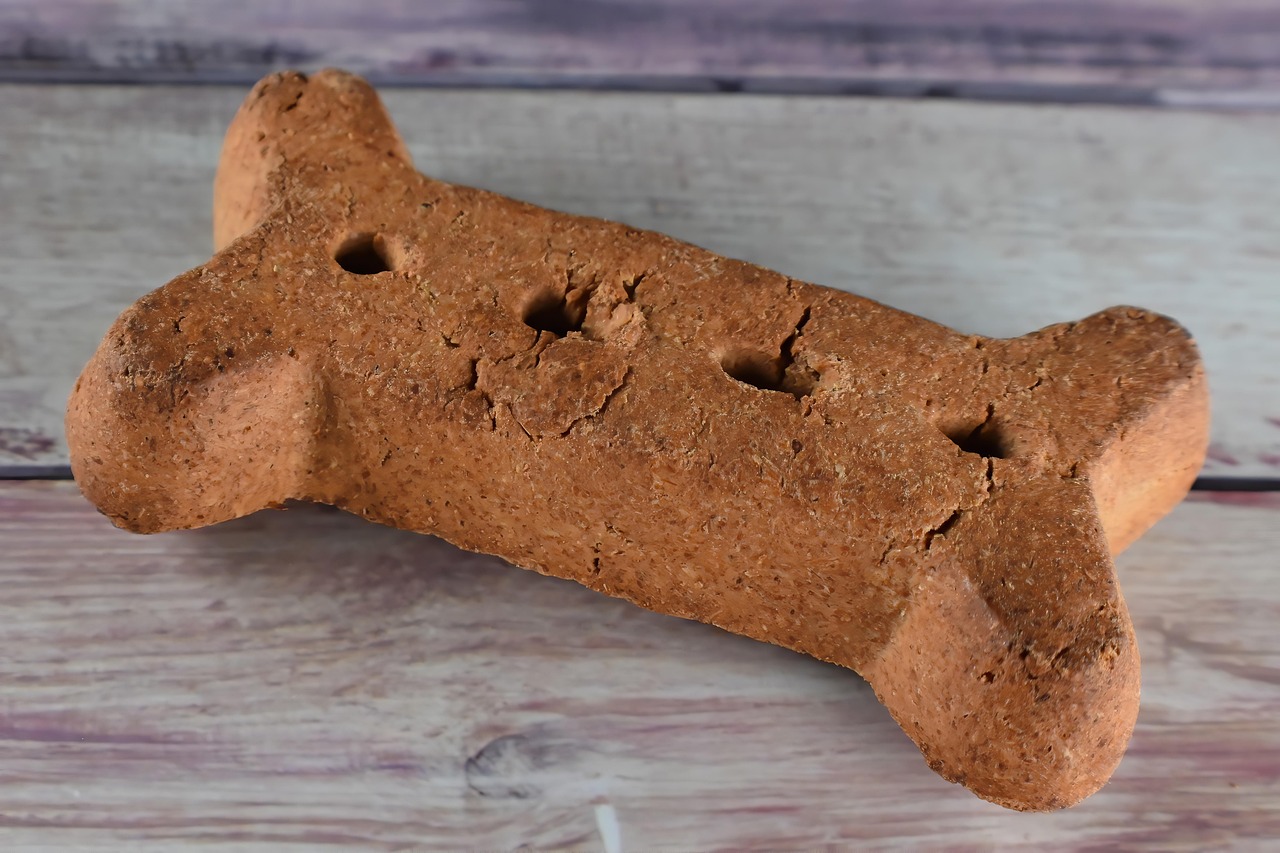

The Impact of Reward Toys on Canine Mental Health
Reward toys play a significant role in enhancing a dog’s mental health and overall well-being. These toys stimulate a dog’s mind through engaging interactions, keeping them active and alert. By introducing different textures, shapes, and sounds, reward toys encourage curiosity in dogs. This curiosity promotes not only mental stimulation but also physical activity, making them happier and healthier. Moreover, reward toys can help alleviate feelings of boredom and anxiety, which are common traits in dogs left alone for extended periods. Selecting suitable toys encourages positive behaviors while guiding them towards healthier recreational options. Dogs learn to associate these toys with fun, leading to a stronger bond between pet and owner. Understanding the psychology behind reward toys allows pet parents to make informed choices. Toys that dispense treats not only reward immediate efforts but also keep dogs motivated during playtime. Hence, reward toys are essential to combat behavioral issues and enhance overall quality of life. Ensuring that dogs have access to various toys can provide them with enriched environments, fostering better coping mechanisms and emotional responses. Thus, implementing reward toys into playtime routines has benefits that extend beyond mere entertainment.
Reward toys effectively engage dogs in cognitive exercises that stimulate their brains. This helps strengthen neural pathways within their brains, promoting better decision-making and problem-solving abilities. Dogs are natural learners and enjoy figuring out how to access rewards hidden within certain toys. This interactive playtime promotes healthy mental exercise, essential for effective dog training. For example, toys that require dogs to roll, nudge, or manipulate components can keep them focused and entertained. Activities like these can counteract negative behaviors caused by boredom, such as chewing furniture or excessive barking. Providing mental challenges boosts confidence as dogs learn to conquer obstacles. Studies indicate that mentally stimulated dogs tend to show fewer behavioral issues than their less stimulated counterparts. Additionally, reward toys can be used to reinforce training commands, tying in fun with obedience. For instance, when a dog successfully performs a command, a reward toy can offer immediate gratification, which strengthens their understanding of desired behaviors. By incorporating these toys into training routines, pet owners promote positive reinforcement techniques. As a result, both owner and dog can enjoy their training sessions more as they create fun, engaging scenarios.
Dogs require social interactions and mental engagement to thrive, and reward toys fulfill both these needs conveniently. Engaging with toys that offer rewards provides a way for dogs to play independently, reducing separation anxiety when owners are not present. Furthermore, these toys serve as excellent tools for promoting shared playtime between dogs. Owners can help their pets learn how to solve puzzles together, which fosters a sense of unity. In essence, spending time together over these engaging toys strengthens the bond between dogs and their humans. It encourages trust and affection, as dogs appreciate positive interactions. Uplifting canine psychology can lead to improved emotional states and behaviors, decreasing anxiety levels. Moreover, reward toys can be particularly beneficial during specific life events, like introducing a new pet or moving homes. They assist questionable behaviors by offering distractions and promoting focus. By redirecting energy towards rewarding activities, pet owners witness transformation in their dogs’ behavior. Observing positive changes encourages owners to continue exploring various toys. This creates an enriching home environment where dogs feel secure and entertained with positive mental stimulations, emphasizing the profound impact these toys can make.
The Variety and Benefits of Reward Toys
Reward toys come in various forms, ranging from simple balls to sophisticated puzzle dispensers. Assessing your dog’s needs and preferences can guide selecting appropriate toys. Dogs have unique personalities, and their interaction with different types of toys may vary. For example, some dogs prefer soft toys while others enjoy durable rubber ones. Chew toys, tug toys, and treat-dispensing toys all contribute to different aspects of playtime. Thus, exploring the array of toys available allows pet owners to find products that cater to their dog’s playful nature. In addition to mental engagement, these toys often emphasize the importance of physical health as well. Weight management becomes more manageable when dogs interact actively with toys that promote movement. Toys designed for interaction can help dogs burn calories while mentally challenging them, enhancing their overall fitness levels. Additionally, reward toys are a valuable resource for pet owners to administer supplements. Toys concealed with vitamins or specific treats can alter routine feeding. This approach diversifies their diet while ensuring optimal health results. Gradually experimenting with various toys leads to better evaluations of your dog’s reactions and preferences.
Understanding your dog’s personality plays a crucial role in maximizing the benefits of reward toys. Engaging with dogs on a personal level allows owners to fine-tune how they introduce new toys. Certain breeds may react differently to specific types of toys; therefore, selecting appropriate toys for your dog’s temperament encourages a sense of security during new challenges. For instance, shy or anxious dogs benefit from toys offering comfort and familiarity, while more confident dogs thrive with challenging puzzles. The objective is to create an environment where dogs feel encouraged to explore new options while ensuring they do not become overwhelmed. Regularly playing with dogs using stimulation toys allows owners to refine their dog’s personality understanding. This strengthens the bond shared between human and canine, creating trust and enhancing communication. Moreover, socialization can also benefit from varying toy experiences, so introducing toys in group settings represents a progression. Observing multiple dogs interact can illuminate preferences and dislikes. This interaction provides fun experiences while also illustrating effective toy selections. Thus, the process of selecting reward toys evolves as dogs develop their individual characteristics and learn about their playful needs.
Conclusion: The Importance of Reward Toys
To summarize, reward toys are essential components of a dog’s daily routine, positively influencing mental health. These toys serve various purposes, including providing mental enrichment, relieving anxiety, and encouraging bonding between pets and owners. When selecting the best reward toys for your dog, it is crucial to consider their unique preferences and personality traits. Regular interactions with toys have proven to counteract boredom and bad behaviors, resulting in happier, well-adjusted pets. The training aspect involved in using these toys creates a positive reinforcement loop that contributes to better obedience. Additionally, reward toys ensure physical activity and mental challenges, which effectively combat health issues stemming from sedentary lifestyles. With the abundance of available options, finding the perfect toys can cater to your dog’s needs while increasing their overall happiness. Engaging your dog in playtime with reward toys does not just improve their mental health; it strengthens the human-animal bond that can last a lifetime. Embrace the importance of integrating reward toys into your dog’s play regime and watch them flourish physically and emotionally. Making informed, careful choices fosters a stimulating environment for your furry companion, providing long-term satisfaction to both pet and owner.
In conclusion, reward toys provide a meaningful way to enhance the mental health of dogs while also creating enjoyment and engagement during play. These toys come in various forms and can be customized to suit the individual needs of a dog, helping them thrive in various environments. By understanding personality traits and preferences, owners can maximize the potential of these toys to promote a healthier, happier life for their pets. Implementing a variety of reward toys can address behavioral issues and prevent boredom, effectively enriching a dog’s daily routine. The bond between dog and owner strengthens through shared play experiences, and positive reinforcement helps dogs learn and adapt. Consequently, selecting proper training toys is crucial for promoting a proactive lifestyle. Ultimately, reward toys serve multiple functions that contribute to a dog’s emotional and physical well-being. With thoughtful consideration, owners can transform play into an engaging experience that nurtures contentment and fulfillment in their pets. Reward toys’ impact extends beyond just physical activity; they enrich lives and create emotionally balanced pets. Investing in quality reward toys represents a simple yet effective method to foster a deeper connection while prioritizing mental health.
For further reading on dog training and mental health. Explore the nuances behind reward toys and how they significantly impact canine psychology and behavior. Understanding the broader implications of play can enhance the pet-owning experience and provide valuable insights. Encouraging healthy play habits through various reward toys contributes to emotional well-being and strengthens the human-animal bond. Ultimately, recognizing the interplay between mental stimulation and physical activity can refine dog training techniques and daily routines. Online resources can provide additional recommendations tailored to your dog’s preferences and behavioral signs. Remember, dogs thrive in environments that prioritize their engagement and happiness. Selecting diverse toys holistically ensures your pet remains interested and excited to play regularly. Combining treat toy methods with hands-on training promotes comprehensive learning experiences during playtime. Exploring various training methodologies further complements the principles of reward toys. Join the community of informed pet owners committed to their dogs’ mental vitality and happiness. Start implementing these concepts today and observe your dog’s growth and happiness flourish.