
Cat First Aid Kit Essentials: Dos and Don’ts for Assembling Yours
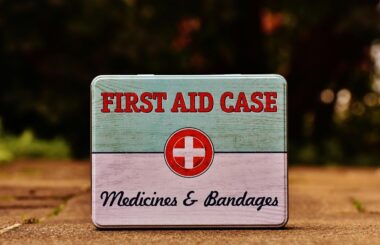
As a cat owner, it is crucial to have a well-stocked first aid kit for your feline friend. This ensures you are prepared in case of emergencies. When building your cat first aid kit, prioritize essential items such as bandages, antiseptic wipes, and gauze pads to handle minor wounds effectively. You should also include tweezers to remove splinters and a digital thermometer to monitor your cat’s temperature. Do not forget to add a copy of your veterinarian’s contact information. This will help you in case of an emergency that requires immediate attention, especially if your cat needs to be transported. Next, secure a pet carrier in case of a vet visit; it provides a safe space for your cat while keeping it calm and confined. Additionally, ensure the kit is easily accessible yet stored in a safe, dry location. Check the contents every few months to replace expired or used items regularly. Being prepared can save precious time and peace of mind when faced with a sudden medical issue, providing a higher chance of a favorable outcome for your beloved pet.
When assembling your cat first aid kit, consider specific dos and don’ts that can make all the difference in a critical situation. Do include basic medical supplies such as adhesive bandages and various sizes of sterile gauze. You should also incorporate antiseptic solutions that are safe and effective for pets, such as diluted Betadine or sterile saline. Also, ensure you have a light blanket or soft towel for comfort or warmth during medical emergencies. On the other hand, avoid the use of human medications without veterinary approval, as many can be toxic to animals. Medications like aspirin and paracetamol can be especially dangerous. Don’t store the kit in an inaccessible location; always keep it within reach during emergencies, so you can quickly grab it when needed. Furthermore, do keep a few non-perishable snacks for your cat, just in case. Always have a proper first aid manual handy; it offers essential guidance on dealing with emergencies like poisoning or choking. Taking these precautions can ensure a safer environment for your cat and help you respond effectively during unforeseen circumstances.
Essential Supplies for Your Kit
Identifying the right supplies for your cat first aid kit is essential in ensuring its effectiveness. Aside from basic supplies like bandages and antiseptic, you should also add a muzzle if your cat tends to bite when injured or frightened. This allows you to examine and treat your pet safely. A flexible measuring tape is also helpful for monitoring and recording any unusual weight changes. A surgical glove package should be included to maintain hygiene during treatment, which could prevent infections. Something many pet owners overlook is the importance of a pet first aid manual. This manual serves as a quick reference for assessing injuries or administering first aid. Also, include an extra leash and a collar with an ID tag in case of emergency travel. While constructing your kit, remember the potential need for a cooling gel or small ice packs should your cat suffer from any swelling or inflammation. Avoid cluttering your kit with unnecessary items; this can lead to confusion in situations when time is critical. Streamlining your first aid kit contents is an effective way to facilitate rapid responses to emergencies, which is vital when caring for your cat.
Organizing your first aid kit is just as important as selecting the right items to include. Keep all medications in a labeled container, specifying their purpose and dosage to avoid confusion during emergencies. You can use clear plastic bins to separate different categories of supplies, such as medications, wound care, and emergency contacts. Keep the most frequently used items at the top for quick access, like bandages and antiseptics. Make sure everything in the kit is easy to see; a cluttered kit can lead to delayed treatment. Test everything before putting it in your kit; ensuring items are not broken and all medications are in good condition is crucial. Consider using a checklist spreadsheet to monitor what needs to be refilled or replaced. Checking supplies every three months is a good practice, ensuring that your kit is always ready for use. In addition to regular checks, we recommend also maintaining a log of any injuries or treatments administered to your cat; this log can be extremely helpful during veterinary visits. Proper organization and diligence regarding your cat’s first aid kit can significantly enhance your ability to administer swift care.
Emergency Procedures to Follow
Familiarize yourself with basic emergency procedures to maximize the effectiveness of your cat first aid kit. The first step is assessing your cat’s condition. Check for signs like bleeding, difficulty breathing, or unusual behavior. Keep calm, as this helps to reassure your cat. When managing a bleeding wound, apply gentle pressure with a sterile bandage and elevate the injured area, if possible. For minor cuts, clean the area with antiseptic wipes before applying a bandage. If your cat is unconscious or in severe distress, do not attempt treatment at home. Instead, immediately contact your veterinarian or an emergency animal clinic. In cases of poisoning, try to identify the ingested substance and refrain from inducing vomiting unless a vet advises it. Keep your kit nearby during emergencies, so you can grab it quickly if you need to transport your cat. Remember to avoid human medications unless instructed by a veterinarian; they can be harmful to cats. Learning basic first aid practices can be invaluable in preserving your cat’s health during emergencies and can prevent further injuries from occurring as you attend to the initial problem.
Assembling a cat first aid kit should be a continuous process rather than a one-time task. Regular evaluations of your kit’s contents ensure that everything remains in good condition and that you have the latest information available. Check your medications and supplies and replace them if expired. It’s a good idea to stay updated about pet-specific first aid training classes or online tutorials to enhance your knowledge of cat emergencies. If you have multiple cats, adapt the first aid kit so that it meets the specific needs of each pet, including their individual medical histories and potential health concerns. Customizing your kit allows you to cater directly to your pets’ unique requirements, improving safety significantly. Consider carrying a smaller version of your kit when traveling or taking your pet outdoors for hikes and exploration. This ensures you’re never unprepared, regardless of the situation. Keeping a watchful eye on your cat’s behavior can also help identify potential health issues early, so you can treat them effectively. This proactive approach is essential for keeping your kitty healthy and safe throughout their life.
Final Thoughts
In conclusion, preparing a cat first aid kit is an essential task for any responsible pet owner. It not only ensures you are equipped for emergencies, but it also empowers you to act swiftly and effectively in times of crisis. By understanding what to include in your first aid kit, regularly checking its contents, and maintaining an organized setup, you can offer your cat the care it needs when it matters most. Always stay informed about best practices in pet first aid and consider ongoing education to keep your knowledge sharp. Remember, every cat is unique; thus, tailor your kit to their specific needs and potential health issues. Not only does this improve your response in an emergency, but it also demonstrates your dedication to your pet’s well-being. In critical moments, being prepared can reassure you and lessen your cat’s stress. Don’t underestimate the importance of a well-stocked first aid kit; it can make a significant difference in ensuring your cat’s safety. Ultimately, taking these steps reflects your love and commitment to providing the best care for your beloved furry companion.
This is a reminder that your cat’s well-being begins with you. Always be vigilant and attentive to their needs, not just during emergencies but every day. Establishing a bond based on trust and care will go a long way in ensuring they’re also comfortable when unharmed. Equip yourself to be their guardian with knowledge and the right supplies, and your cat will thank you for it.