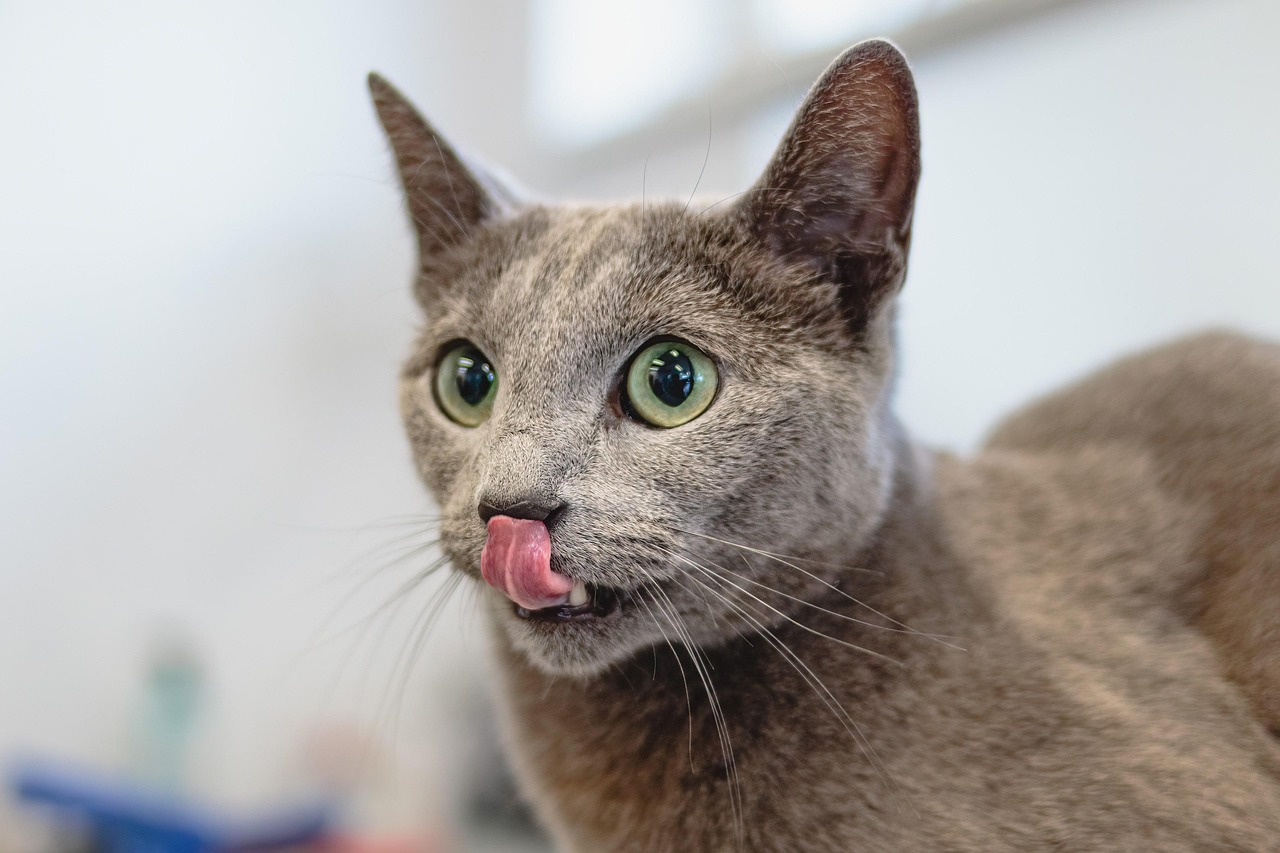

Dealing with Sudden Hair Loss: Emergency Grooming Advice
Sudden hair loss in cats can be alarming for pet owners. It’s essential to understand the potential causes and appropriate actions to take. Various factors contribute to sudden hair loss, such as stress, allergies, or medical conditions. Monitoring the cat’s behavior, appetite, and grooming habits is critical for determining the cause. If your cat begins losing fur quickly, stress is a likely culprit, especially if there have been notable changes in their environment. Cats can experience setbacks due to introductions of new pets or moving to a new home. Consult your veterinarian for advice tailored to your situation. If the loss is linked to allergies—a common issue with grooming products or food—food trials and elimination may be needed. There are various grooming tools, like specialized combs or shampoos, that can help reduce shedding. Protecting your cat’s skin is also essential, especially if the hair loss is extensive. Regularly check for parasites, as they can lead to significant skin irritation and subsequent hair loss. In severe cases, seeking emergency care is crucial for proper diagnosis and treatment. Education is also vital to effectively manage emergency grooming situations.
Identifying Potential Causes
Identifying the potential causes of sudden hair loss is critical. First, evaluate any changes in your cat’s diet or environment. External stressors, such as moving homes or introducing new pets, can trigger anxiety, leading to fur loss. Likewise, allergens in their environment can cause itchy skin, resulting in excessive grooming, which furthers the loss. Look for signs of allergies, such as red, inflamed skin, or constant scratching. You might need to eliminate certain foods or products from their routine. Parasites, including fleas or mites, can also cause severe irritation and hair loss; routine checks with your veterinarian can help detect these issues early. Infections, whether bacterial or fungal, might manifest as bald patches and require medical intervention. Consult your veterinarian if you notice skin lesions or apparent pain. Hormonal imbalances, unfortunately, can also culminate in hair loss; thus, a thorough examination and blood tests might be necessary to rule out underlying health conditions. Pay attention to any signs or symptoms alongside the hair loss to give your vet accurate information. They can provide a treatment tailored to your cat’s specific needs.
Assessing your cat’s grooming routine is another vital step. Cats are instinctive groomers and might over-groom due to stress or discomfort, resulting in noticeable areas of hair loss. If you find that your cat is grooming excessively, observe their behavior closely. Provide a calming environment by minimizing stressors such as loud noises or unfamiliar surroundings. Regular brushing helps keep your cat’s coat healthy and reduces shedding. It also enhances bonding between you and your pet. Schedule routine grooming sessions to decrease loose fur in your living area. While grooming, check for any discomfort or lumps, which could signify larger issues. Anxiety-related hair loss may require behavioral intervention; consult with an animal behaviorist if issues persist. Always keep grooming tools clean and appropriate for your cat’s specific coat type, as not all tools suit every feline. Some cats may need specialized brushes; your vet or pet store staff can suggest the right tools. Likewise, consider using soothing sprays or calming diffusers to help create a serene grooming experience. Establishing a consistent grooming routine keeps your cat in top shape and reduces the potential for sudden hair loss.
Emergency Grooming Techniques
In cases of sudden hair loss, employing emergency grooming techniques is crucial. Start by ensuring your cat is comfortable, as an anxious environment can worsen their condition. Choose a quiet, familiar space for grooming to help alleviate their stress. Utilize gentle, wide-toothed combs to remove mats or tangles without causing further discomfort. If your cat exhibits signs of pain, stop immediately to avoid escalation. Focus on small sections and provide breaks, giving your pet time to relax between sections. If you encounter severe mats, use a detangler spray to ease the process; however, ensure products used are safe and vet-approved. Remember to reward your cat with treats or praise after successful grooming efforts to reinforce a positive experience. Take a break if they become overwhelmed. Monitor your cat’s behavior closely; any signs of distress should prompt you to reassess your approach. Regularly applying soothing ointments or ointments recommended by your veterinarian can help with skin healing. In addition, consider seeking professional grooming assistance when necessary; professional groomers know how to handle sensitive situations effectively.
Post-grooming care is as essential as the grooming process itself. After managing your cat’s hair loss situation, take the time to observe any reactions or changes. Watch for further signs of distress, such as excessive scratching or licking, which may indicate an ongoing issue. Maintain a close relationship with your veterinarian for follow-ups, especially if skin issues persist or worsen. Keeping your cat’s diet balanced and full of essential nutrients can bolster overall skin and coat health. Consult with a vet to determine if specialized diets or supplements are appropriate for your cat. During the recovery period, refrain from introducing new grooming products or treatments that could activate allergic reactions. Keep the cat’s environment calm, emphasizing preventive care by making regular vet checkups part of your routine. Furthermore, consider environmental changes like reducing allergens in the home, such as pollen or dust. Utilizing air purifiers around your home has proven beneficial for many pet owners. Additionally, develop a system for regular checks to ensure early detection of any grooming or health-related issues, ensuring your furry friend remains happy and healthy for years to come.
When to Seek Professional Help
Determining when it’s time to seek professional help can be tricky. If your cat’s hair loss appears sudden or is accompanied by other symptoms, it is crucial to consult a veterinarian promptly. Early intervention can prevent complications and address underlying health issues. Signs to watch for include pronounced skin irritation, bleeding, or severe itching. If behavioral changes accompany the hair loss, like loss of appetite or lethargy, seek help immediately. A veterinarian can provide a thorough examination to determine the specific cause of hair loss. In some cases, medication may be necessary to manage skin infections or parasitic infestations effectively. After diagnosis, follow all prescribed treatments tailored to your cat’s needs. Additionally, professional groomers can help in emergencies, especially if you feel overwhelmed or unsure about how to handle the grooming situation. Professionals possess the training and experience to manage discomfort or stress during grooming. Ensure any groomer understands your cat’s specific needs and background. Furthermore, discussing grooming techniques and products with a professional can also enhance your grooming arsenal at home.
Long-term strategies must be employed to prevent sudden hair loss episodes in the future. Regular health checkups with the veterinarian can help catch potential issues before they escalate. Discuss grooming schedules and products with veterinarians who can recommend the best practices suitable for your cat. Establish a consistent grooming routine that promotes healthy skin and fur. Regular brushing and monitoring for unusual behavior will be habit-forming for both you and your feline friend, ensuring comfort during grooming sessions. Encourage a stress-free space by establishing a secure environment that minimizes anxiety triggers. Pay attention to the changes around your pet’s living situation; understanding potential stressors can significantly reduce anxiety-induced grooming behavior. Additionally, investing in quality nutrition is essential; ensure your cat receives a balanced diet rich in fatty acids for optimal coat health. Consider consulting a pet nutritionist if unsure about your cat’s dietary needs. Utilizing calming products, like pheromone diffusers and stress-relief toys, can also help manage overall anxiety. Ultimately, regular monitoring and proactive care are key to maintaining a happy, healthy cat and minimizing the risk of emergency grooming situations.
Regular training and rewards will help maintain a smooth grooming routine over time. Creating a structured system ensures that both you and your feline friend know what to expect during grooming sessions, greatly reducing stress. Adopting a gentle, patient approach fosters trust, encouraging your cat to cooperate more easily. If treating sudden hair loss effectively, consider expanding your grooming education; engage in courses or workshops, learning effective grooming techniques from experienced professionals. Always keep current on new treatments or techniques that emerge in the field, ensuring your grooming practices stay relevant and effective. With time, effort, and care, you can build a resilient grooming relationship with your dog, making grooming a rewarding experience for both of you. Your cat’s well-being depends on comfortable grooming practices and a thorough understanding of their dietary and medical needs. Build a comprehensive wellness plan that includes regular vet visits, proper nutrition and stress management practices. Recognizing early signs of grooming issues can potentially save your furry friend from distress and discomfort in the future. Remember, you’re your cat’s first line of defense regarding health and happiness, so take these tips to heart and prioritize their grooming care!