
Future Trends in Protection Sports for Dogs: What to Expect
The world of dog sports is evolving rapidly, especially in the realm of protection sports. As technology advances, trainers and handlers are employing innovative methods to enhance training capabilities. This includes the implementation of digital tools such as apps that track a dog’s training progress. Additionally, online resources are becoming increasingly available, allowing owners to access training guides and video demonstrations tailored to protection sports. These technologies are fostering a better understanding of dog behaviors and instincts, leading to improved performance in competitions. As more enthusiasts get involved, we can anticipate a rise in specialized training camps focusing on protection sports. These camps will cater to various skill levels, from beginners to advanced handlers. The community aspect will enhance learning opportunities and bonding among dog owners. Moreover, affiliated organizations are likely to become more prominent, providing structured competitions across regions. Consequently, we can expect to see more localized events and recognition programs dedicated to excelling in protection sports. This will not only motivate participants but also attract new individuals interested in the sport.
Moreover, the evolving landscape of dog sports is indicative of changing societal attitudes toward canine athletes, leading to a more inclusive environment. People are now realizing the potential of dogs as versatile athletes. More mixed-breed dogs are participating in protection sports, breaking away from traditional perceptions of specific breeds dominating the field. This shift promotes not only diversity but also creativity in training techniques. Handlers are increasingly recognizing unique abilities in their dogs, as personalized training regimes emerge. The awareness of mental stimulation and physical conditioning in protection sports is enhancing dog welfare. Handlers are not just focused on winning competitions; they are prioritizing the happiness and health of their pets. This reflects a growing understanding that well-rounded training methods lead to better bond strengthening between dog and owner. Furthermore, public awareness campaigns are likely to bring additional visibility to protection sports. As more people take an interest, we anticipate improvements in accessibility and resources for aspiring trainers. The result will be an enriched environment full of opportunities for dogs to showcase their talents in protection sports.
Training Innovations and Techniques
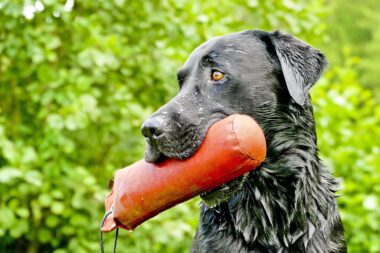
Innovations in training techniques play a vital role in the future of protection sports for dogs. The traditional methods are being enhanced by incorporating positive reinforcement. Trainers are increasingly adopting techniques that focus on rewarding desired behaviors rather than punishing undesired ones. This not only makes training more enjoyable for the dog but also fosters a stronger bond between the dog and handler. Cognitive training exercises are also gaining traction, pushing traditional boundaries to improve decision-making skills. This is crucial in protection sports, where quick reactions and intelligence are essential. Furthermore, interactive equipment, such as agility courses specifically designed for protection scenarios, is being developed. This equipment allows dogs to undergo realistic simulations of protection tasks while maintaining engagement during training. As competition standards rise, the use of specialized gear like bite sleeves crafted with innovative materials is also expected to emerge, enhancing safety for both dogs and handlers. Consequently, the evolution of these training tools and techniques reflects an overall shift towards more humane and effective methodology in protection sports.
Another trend likely to shape protection sports in the coming years is increased investment in dog health and wellness programs. Nutrition, physical conditioning, and mental health are gaining significance among handlers focused on dual objectives of performance and overall well-being. Supplementary health programs specialized for protection dogs are anticipated to become more popular, designed to maintain peak physical condition and longevity. The collaboration with veterinarians and nutritionists will provide handlers with tailored diets and fitness regimens based on individual dog needs. This approach promotes sustained performance, ensuring that dogs remain active participants in their respective sports longer. In addition, the use of wearables to monitor health metrics such as heart rate and activity levels can provide critical insights into a dog’s performance capacity. These wearable devices are increasingly seen as essential training tools, offering real-time data to facilitate informed decisions about training intensity or rest days. Through advancements in health and wellness, protection sports’ future looks promising, ensuring that the physical and emotional needs of participating dogs are comprehensively addressed.
Community Engagement and Support
Community engagement is becoming a cornerstone of the protection sports landscape. Local clubs and organizations dedicated to protecting sports are promoting collaboration among dog owners, trainers, and enthusiasts alike. This creates a vibrant environment where knowledge sharing flourishes, fostering a healthier community that supports continuous learning. The emphasis on building networks both online and offline allows handlers to exchange tips and experiences, contributing to the overall improvement of training quality. Events, such as workshops and seminars, are increasingly being organized to educate the community further. Additionally, social media platforms are playing a huge role in connecting enthusiasts with similar interests. This digital connectivity allows individuals to share training progress and seek advice, increasing motivation within the community. Furthermore, recognizing top-performing dogs and their handlers at local competitions fosters a spirit of friendly competition. Enhanced visibility of successes in the community can inspire newcomers and encourage broader participation. Ultimately, as community structures strengthen, they will undoubtedly shape the future trajectory of protection sports positively.
Research and development in canine training methodologies are shaping the future of protection sports. Leading dog training professionals and animal behaviorists are collaborating to study the effectiveness of varied training styles. This results in a comprehensive understanding of the canine psyche, enhancing intellectual connections between dogs and handlers. As insights deepen, evidence-based training practices will likely emerge, guiding elite handlers in adopting the most effective strategies. This scientific approach can also be instrumental in addressing behavioral issues, ensuring a more harmonious training experience. Furthermore, innovative academic programs focusing on animal science and dog behavior are likely to gain traction at educational institutions worldwide. These programs will prepare the next generation of trainers and competitors for the increasingly competitive environment. As research unfolds, the overall landscape of protection sports will continually adapt to meet modern needs. Moreover, advancements in virtual training platforms will provide tools for handlers to connect with experts globally. Self-paced online courses can offer a wealth of information to enthusiasts aiming to refine their skills. Such platforms will broaden access to quality training regimens, paving the way for an informed and successful cohort of protection sport participants.
Conclusion and Forward Outlook
In conclusion, the future of protection sports for dogs is brimming with potential and innovation. The integration of advanced training techniques, community engagement, and a focus on health & wellness signifies a shift toward a more holistic approach to canine sports. As technology continues to enhance training methodologies and communication among handlers, we can expect developments that not only elevate performance but also prioritize the well-being of the dogs involved. With increasing diversity in breeds participating and a spotlight on equitable participation, the protection sports community will likely emerge as a powerful unit. Engaging the next generation of trainers through education and support will ensure longevity for these beloved canine activities. Furthermore, the enhanced recognition for competition excellence will motivate participants to put forth their best efforts as they take pride in their dogs’ accomplishments. By evolving with the times, protection sports will showcase the incredible capabilities of our canine companions. It’s an exciting journey ahead, promising both challenges and opportunities as we witness each dog’s unique talents shine in the world of protection sports.
With these trends in mind, aspiring trainers and dog sports enthusiasts can take concrete steps to prepare for the future of protection sports. Through dedication, continued learning, and a commitment to their dog’s training and health, this dynamic field will undoubtedly thrive. The positive contributions of the community will bolster growth opportunities, ensuring that protection sports remain vibrant and engaging for all involved. Acknowledging and embracing these trends will set the ground for a rich tapestry of experiences in which dogs and their owners participate passionately, building lasting relationships that transcend traditional boundaries. Collectively supporting innovation, education, and inclusivity will enable protection sports to flourish.