
How to Transition Your Cat to Indoor Housing
Transitioning your cat to indoor housing can be a rewarding yet challenging process. Cats are territorial and may resist changes to their environments. Before making the transition, it’s essential to create a comfortable and stimulating indoor space. Start by ensuring that your home has plenty of enriching elements such as scratching posts, cozy beds, and interactive toys. These items will help your cat feel more at ease and provide entertainment. Do not forget to create vertical spaces as well! Cats love to climb and explore high places. Consider installing cat trees or shelves for climbing. Additionally, provide hiding spots or cozy corners where your cat can retreat when feeling overwhelmed. Furthermore, ensure to keep hazardous items like toxic plants and small objects out of reach. Indoor cats are often healthier than outdoor cats, as they are safeguarded from diseases and accidents. Slowly introduce your cat to their new indoor environment. Keep them confined to one room at the beginning while they acclimate. Gradually open up the rest of your home for exploration. Patience and love are key during this transition!
One of the vital aspects of transitioning your cat to indoor life involves creating a soothing atmosphere. Start by minimizing stress factors in your home. Keep noise levels down, especially during the initial adjustment period. Many cats are sensitive to loud sounds such as alarms, doors slamming, or television noise. Use soft music or white noise machines to help drown out abrupt noises. It’s also crucial to follow a routine to provide predictability. Cats thrive on patterned schedules for feeding, playtime, and affection. Set regular feeding times and designate specific play sessions each day. In addition to physical stimulation, provide mental challenges through puzzle toys or interactive games. This practice can prevent boredom and your cat from developing destructive behaviors. Once they begin to feel secure, you can start introducing new rooms gradually. Allow them to explore their surroundings while observing their reactions. Make this experience positive by offering treats and praise. Furthermore, consider introducing other pets gradually to avoid conflicting territories. A well-structured transition leads to a happier indoor cat, fostering a loving bond between you and your feline friend.
Ensuring Proper Nutrition
Nutritionally balanced meals are fundamental in maintaining your indoor cat’s well-being throughout their transition. Cats require a specific diet tailored to their energy levels, age, and health. It’s essential to consult with a veterinarian to determine the best food options for your cat. Indoor cats tend to be less active, potentially leading to weight gain if their diet is not appropriately monitored. Choose high-quality, protein-rich cat food, and avoid fillers or excessive carbohydrates. Additionally, consider incorporating wet food in their diet, as it helps with hydration and provides variety. Fresh water should always be available, and regularly check the water bowl to ensure it is clean and full. Portion control is vital to prevent overeating; follow the guidelines provided by the food manufacturer. Treats can be offered, but these should not constitute more than 10% of their daily intake. It’s beneficial to maintain feeding schedules that align with your cat’s natural rhythms. Engaging your indoor cat during feeding time can also stimulate their hunting instincts; try puzzle feeders to make meals enjoyable.
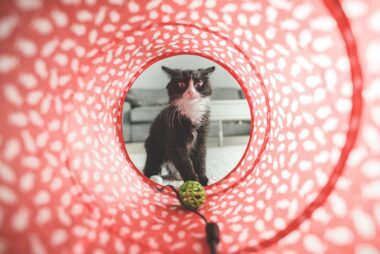
As you aid in your cat’s transition into an indoor environment, it is also crucial to foster proper exercise habits. Keeping your cat physically active is essential for their mental and physical health. Indoor cats may not have the same opportunities for activity as outdoor cats, so it’s important to create those opportunities. Engage in interactive playtime daily with toys like feather wands or laser pointers. This interaction not only helps to keep your cat fit but also strengthens your bond. Setting aside at least two or three play sessions a day can significantly reduce boredom and stress. Rotate toys regularly to maintain your cat’s interest; new shapes or textures can keep things exciting. Additionally, provide safe spaces for spontaneous play, such as boxes or tunnels, for them to explore. Engaging in gentle exercise is necessary for maintaining their body weight. Monitor their physical condition frequently, and if you notice any dramatic changes in weight or energy levels, consult a veterinarian promptly. An active cat is a happy cat, ensuring they enjoy their new indoor lifestyle!
Creating a Safe Environment
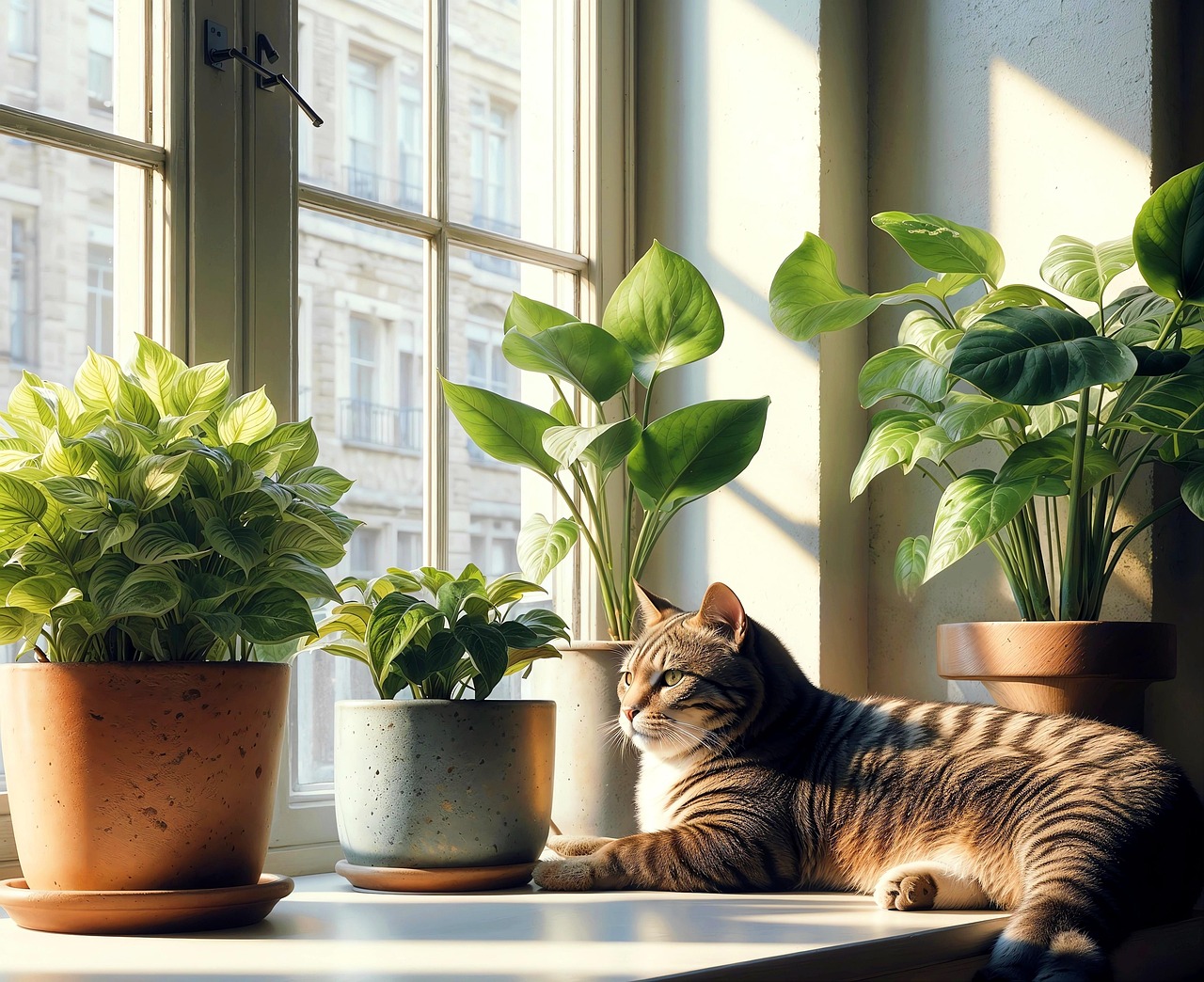
Creating a safe indoor environment is imperative for your feline companion. As you transition your cat, take proactive measures to minimize hazards that can harm them. Ensure that all windows and balcony doors are securely screened. Cats can be curious and may attempt to leap out, which could lead to severe accidents. Additionally, check for any toxic plants commonly found in homes, such as lilies and philodendrons. It’s better to have non-toxic plants that are safe for your cat to explore. Moreover, keep essential oils and cleaning agents securely stored, as these can be harmful if ingested. Be cautious with household items; for instance, small objects like rubber bands and string can easily be choked on or swallowed. Secure cords and wires used for electronics to prevent entanglement or chewing. For multi-pet homes, it’s essential to monitor interactions gradually. Ensure there are defined spaces for each pet to feel safe. Providing a cozy retreat or sanctuary for your cat can mitigate anxiety. Safety should always be prioritized for a smooth transition while fostering their new indoor lifestyle.
Socialization is crucial during the adjustment phase of transitioning your cat to indoor housing. Cats are unique in their social needs, and some may take longer than others to adapt. Spend time interacting with your cat through gentle petting or cuddling as they start acclimating to their new surroundings. Observe their body language; signs of stress may include hiding or excessive grooming. It’s essential to respect their boundaries and allow them the time they need to adapt. Gradually invite family members to participate in playtime or feeding sessions to foster a sense of community. Cats thrive in environments where they feel loved and safe, making social interaction vital. If you have multiple pets, introduce them carefully to prevent territorial disputes. This process can be achieved by swapping scents or allowing them to observe each other in controlled situations. Do not rush the socialization process; each cat has its pace. Reinforce positive encounters with treats and praise. Over time, your cat will gain confidence, leading to a healthier indoor lifestyle with harmonious interactions.
Recognizing Behavior Changes
As your cat transitions to an indoor lifestyle, closely monitor any changes in their behavior. Behavioral shifts can be indicators of how well your cat is adjusting to their new environment. Common signs of stress may include excessive hiding, vocalization, or behavioral withdrawal. If you notice these behaviors, do not panic; it may take time for your cat to adapt. Offer encouragement and opportunities for exploration and play. Carve out time for daily interaction and observe your cat’s responses. Note if they are engaging with toys, exploring, or showing interest in their surroundings. Additionally, supervise their interactions with toys and natural scratching surfaces. Providing an environment rich with sensory experiences will help alleviate stress and encourage natural instincts. Maintain open communication with your veterinarian in case any concerning behaviors emerge. They can provide valuable insights and strategies to support your cat’s mental health. Remember, the transition period isn’t one-size-fits-all, and every cat requires tailored attention to thrive in their new indoor habitat.
Ultimately, the success of transitioning your cat to indoor housing lies in your approach. Employing patience, understanding, and love creates an optimal environment for your feline companion. As you follow the steps outlined throughout the article, remember that every cat is unique and may require varying levels of attention. Continually assess and adapt your approach based on their needs. Make use of engaging cat activities, ensure nutritious meals, and maintain an enriching atmosphere that offers stimulation. Monitoring their behavior and health should also be an ongoing practice. If struggles arise during the transition, remember that seeking advice from professionals such as veterinarians or animal behaviorists may provide additional support. The indoor lifestyle can offer numerous benefits for your cat, enhancing their longevity and overall well-being. Celebrate their achievements, and provide praise during each step they take to explore their new indoor space. Establishing a positive and healthy environment leads to a fulfilling life for your cherished pet, and brings joy to your household. Investing time in this transition fosters a happy and rewarding life for both you and your cat!