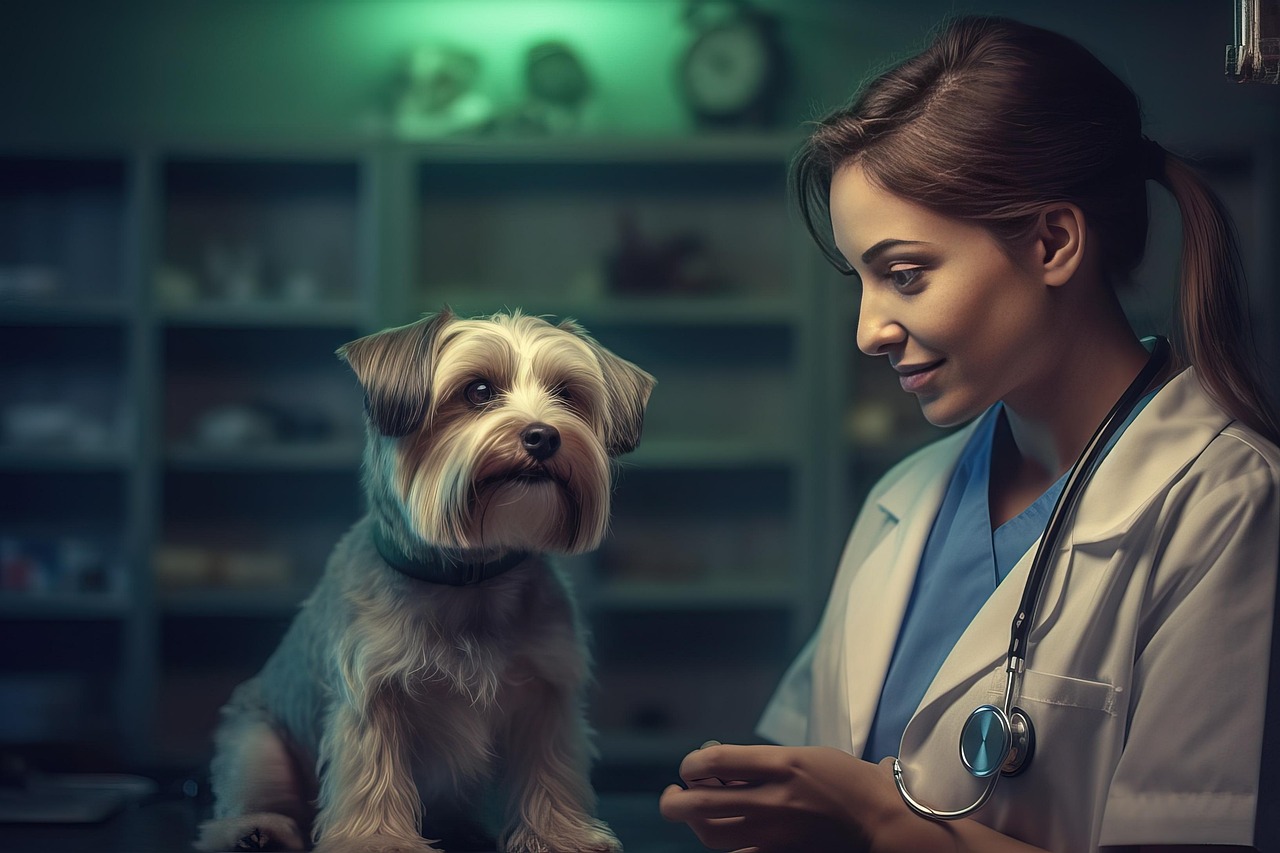

Recognizing Anaphylactic Shock After Vaccination in Dogs
When dogs are vaccinated, they may occasionally experience some side effects. Anaphylactic shock is a severe allergic reaction that can occur rapidly after vaccination. It is important for pet owners to be aware of the signs of this potentially life-threatening condition. Common symptoms can include difficulty breathing, swelling, or hives on the skin. Additionally, dogs may exhibit signs of agitation or distress. The timing of these reactions is crucial, as they typically occur within minutes to hours post-vaccination. Close observation of your dog after any vaccination can help in identifying these reactions early. Anaphylactic shock can lead to shock, organ failure, or even death if not treated promptly. Therefore, having an understanding of this condition is critical for every dog owner. It is advisable to consult with your veterinarian to discuss the risks associated with vaccines and reactions. If your dog has a known history of allergies, your veterinarian might recommend specific vaccines based on your pet’s medical history. Prompt and effective treatment is essential to recover from anaphylactic shock during the critical time following a vaccination.
Recognizing the initial signs of anaphylaxis is fundamental for timely intervention. Dogs may show symptoms such as vomiting, diarrhea, or collapse shortly after receiving a vaccine. Another distinct sign includes an elevated heart rate, which can be a crucial indicator of an emergency situation. Any unusual behavior following a vaccination should not be ignored. Pet owners are encouraged to familiarize themselves with normal reactions to vaccines versus adverse reactions. Observing your dog for at least half an hour post-vaccination is recommended. Symptoms may escalate quickly; hence, any signs of discomfort or distress warrant immediate attention. Owners should be prepared to act swiftly by calling their veterinarian or an emergency animal hospital if symptoms arise. Additionally, it’s important to remain calm; your dog can pick up on your stress. The sooner you can recognize these signs, the better the outcome can be for your dog. Pet parents should create a plan of action in case their pet experiences an anaphylactic reaction. This plan may include knowing where the nearest emergency clinic is and having emergency contacts on hand. Your dog’s health depends on your awareness and quick response.
Identifying common vaccine reactions in dogs is essential for making informed decisions about their health. Vaccines can cause mild side effects such as lethargy or a slight fever, which usually resolve within a day or two. However, these normal reactions should be monitored closely. Anaphylactic reactions are rare, but they can occur and tend to be more severe. Signs like swelling around the face or muzzle can present within minutes of getting the shot. Additionally, difficulties in breathing or excessive drooling indicate that something is wrong. Maintaining open communication with your veterinarian will help you understand which vaccines pose a risk to your dog. Some breeds may be more susceptible to vaccine reactions due to genetic predisposition. It is always prudent to discuss with your veterinarian any previous allergic reactions your dog may have had during a checkup. Keeping a record of any vaccine-related reactions can provide vital information when deciding on future vaccinations. Being proactive about your dog’s health can prevent a life-threatening situation. Every owner should act as an advocate for their pets by ensuring they receive the right care and attention.
Emergency Response for Anaphylactic Shock
In case your dog shows signs of anaphylactic shock, knowing what steps to take can make all the difference. First, contact your veterinarian immediately for guidance. If symptoms are severe, don’t hesitate to go to the nearest emergency animal clinic. Timing is critical, and the sooner treatment starts, the better the prognosis. You should remain calm and focused during this stressful situation, as anxiety can affect your dog’s response. While awaiting help, monitor your dog’s breathing and pulse. If your dog is conscious but struggling to breathe, try to keep them calm; avoid any unnecessary movement. It’s also beneficial to bring your dog’s vaccination history with you if possible, as this can aid the veterinary team in determining the best course of treatment. While waiting for help, it can be helpful to elevate your dog’s hindquarters slightly, especially if they are in shock. This can aid in improving blood flow to vital organs. Being prepared to provide information about the vaccine that was administered is also crucial to ensure timely medication. Your prompt action can potentially save your dog’s life.
After your dog has experienced an anaphylactic reaction, close monitoring during recovery is essential. Your veterinarian may recommend a follow-up consultation to evaluate your dog’s health status. It is also important to adhere to any medication regimen that your veterinarian prescribes. Additional treatments may include antihistamines or corticosteroids to help reduce inflammation. Keeping track of your dog’s behavior and physical state can be vital in managing their recovery. Owners should monitor for any signs of returning symptoms, especially if another vaccination is due. It is possible to have a previous vaccination without problems but then experience an adverse effect later. Understanding your dog’s individual needs can help inform future vaccination protocols. Vaccination schedules may need to be altered based on reactions experienced. Furthermore, discussing with your veterinarian alternative options such as titre tests may be beneficial, as they can measure the immunity levels in your dog. This might lead to fewer vaccinations being needed. Ultimately, your commitment to advocacy for your dog’s health is crucial in preventing adverse reactions.
Preventative Measures for Vaccine Reactions
Taking preventative measures before vaccinating your dog can minimize the risks associated with vaccine reactions. Before the vaccine is administered, consult with your veterinarian regarding your dog’s health history. Ensure that your pet is in good health and not under any medication that might interact negatively with vaccines. This includes assessing any recent infections or medical treatments. Discuss any previous allergy history your dog might have, as this information can be vital in vaccine selection. Inform your veterinarian of any breed regressions associated with vaccine reactions, as certain breeds may react differently. Owners should remain proactive by conducting thorough research about various vaccines available. Knowledge about which vaccines are necessary according to age and lifestyle can help in making informed decisions. Avoid overcrowded veterinary clinics on vaccination day to reduce your dog’s stress levels, and arrange for a calm environment post-vaccination. This can help your dog relax, reducing the likelihood of a vaccine reaction. Lastly, always keep your veterinarian’s contact information handy in case of emergencies; being proactive can contribute immensely to your dog’s well-being.
In conclusion, recognizing signs of anaphylactic shock after vaccination in dogs is a critical responsibility for pet owners. Understanding the differences between common vaccine reactions and serious conditions is essential for early identification. Observing your dog closely for signs of distress can save their life. If your dog has exhibited any abnormal behavior following vaccinations, do not hesitate to seek veterinary care. Your proactive approach will uphold your dog’s health and peace of mind. Discuss any concerns you have regarding vaccine safety with your veterinarian, as they can provide personalized guidance. Every pet parent should consider educational resources about vaccinations and interactions with their dog’s overall health condition. Finally, by being vigilant and informed, you can significantly reduce the chances of negative health outcomes for your furry companion. Remember that your dog’s well-being largely depends on preparation and attentiveness. Equip yourself and your dog with the necessary knowledge to navigate the world of vaccinations safely. This awareness will not only enhance your dog’s health choices but also promote their long-term happiness.
Conclusion and Summary of Key Points
The health of our dogs largely rests on responsible pet ownership and awareness of potential health risks. Recognizing the signs of anaphylactic reactions is an important aspect of this responsibility. Owners must familiarize themselves with emergency protocols and ensure immediate veterinary consultation in case of such reactions. The key takeaway is to closely observe behavior and physical signs post-vaccination. Education and interaction with your veterinarian are crucial steps towards safe vaccination practices. Understand that adverse reactions, while rare, can happen, and it’s vital to be equipped with knowledge and resources. Identifying the difference between mild vaccine reactions and severe, life-threatening conditions enables owners to act appropriately and promptly. Furthermore, taking steps to prepare effectively for vaccine appointments can minimize stress and ensure your pet’s safety. By emphasizing preventive measures and developing a plan of action, you set a positive tone for your dog’s health experiences. Ultimately, the routine vaccinations we perform for our pets should enhance their quality of life, not detract from it. Being well-informed pet parents helps ensure that our canine companions remain healthy and thriving throughout their lives.