
The Role of Air Quality in Cat Grooming Sessions
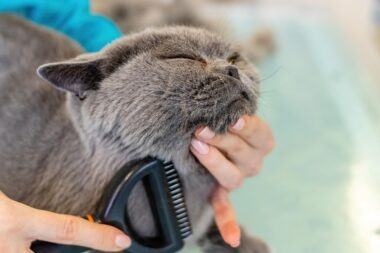
Cat grooming is an essential part of pet care that goes beyond aesthetics. One crucial aspect of grooming is the air quality in the environment where the grooming takes place. Poor air quality can adversely affect both the cat’s health and the effectiveness of the grooming process. It is important to understand that indoor air pollution can come from various sources, such as dust, mold, and chemical cleaners. These pollutants can cause allergic reactions in cats, leading to discomfort during grooming sessions. It is vital to recognize the presence of these allergens and minimize their impact by maintaining a clean grooming environment.
To address air quality issues during cat grooming, consider the following tips: ensure proper ventilation by opening windows or using air purifiers, regularly clean your grooming area, and use natural grooming products free from harsh chemicals. Cats are sensitive creatures, and they can quickly become stressed or anxious in a poorly maintained environment. Additionally, healthier air promotes better coat quality, making the grooming process smoother for both the groomer and the cat. The benefits of clean air are profound; improved mood and behavior can be seen in pets that are groomed in environments with proper ventilation and cleanliness.
Incorporating plants into your grooming area can also enhance air quality. Some plants are known for their air-purifying qualities, such as Spider Plants, Peace Lilies, and Boston Ferns. They can help filter out harmful toxins and bring a sense of calmness to the space. When selecting plants for your grooming area, ensure they are safe for cats. Certain plants can be toxic, so it’s essential to do your research. By blending aesthetics and safety, you create an inviting atmosphere that encourages a positive grooming experience.
Essential Equipment for Cat Grooming
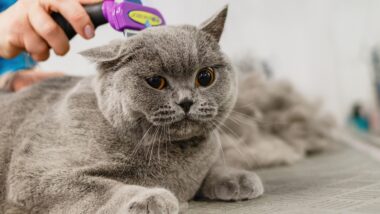
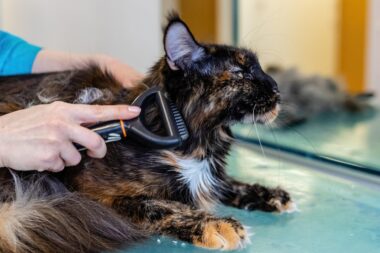
Investing in quality grooming tools is crucial for both effectiveness and comfort. Tools should be selected not only for performance but also considering the impact of air quality on their use. High-quality brushes and combs can help reduce shedding and dander, improving the air you and your cat breathe during grooming. A good grooming table should have a non-slip surface to ensure safety during the session. Additionally, consider adding a comfortable grooming mat to reduce stress on the cat’s joints. The right tools paired with clean air create an atmosphere conducive to grooming.
When bathing cats, the air quality can become an even more significant concern. Use gentle shampoos specifically designed for felines, as they are less likely to irritate your cat’s sensitive skin and respiratory system. Always rinse thoroughly to eliminate any residue, which can lead to allergic reactions. Keeping the grooming area well-aired during bathing sessions is also very important. This not only helps evaporate moisture but also disperses any strong scents that may appear from grooming products. Fresh air is beneficial for both the groomer and the pet, leading to a more enjoyable experience.
Another crucial aspect of air quality in cat grooming is managing temperature and humidity levels. Cats can be sensitive to high temperatures, which may lead to overheating and stress during grooming. Conversely, too much humidity can lead to mold growth or musty odors, creating an unhealthy environment. A regulated temperature and humidity level can keep your cat calm and comfortable while grooming. Keeping the environment within a comfortable range promotes a positive experience, allowing for more effective grooming sessions.
The Impact of Allergens and Pollutants
Pets are known to carry various allergens with them. Dust, pollen, and dander can lodge themselves in carpets, upholstery, and other soft surfaces. This can significantly compromise air quality. During grooming sessions, these allergens can become airborne, potentially triggering allergies in sensitive individuals. It’s essential to vacuum regularly and consider the use of air filters to reduce the concentration of allergens in the air. By keeping these allergens at bay, you create a more pleasant environment that is better suited for grooming practices.
Finally, communication with pet owners about air quality is vital. Engaging in discussions regarding potential allergens and environmental factors can lead to better grooming choices. Pet owners should be informed about the importance of preparing their homes for grooming sessions. This preparation may include cleaning living spaces and removing potential hazards. By fostering open communication about these environmental considerations, groomers can enhance the experience and ensure a safer atmosphere for their feline clients.