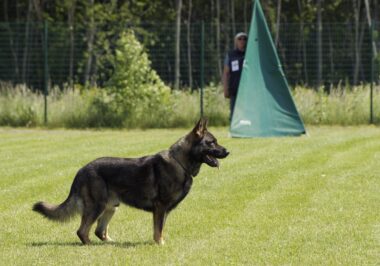

Why the Stand Command is Essential for Your Dog’s Training
The Stand command is an invaluable skill for dogs that serves many purposes. This command allows owners to communicate effectively with their pets, enhancing the dog’s obedience and responsiveness. Implementing the Stand command during training sessions fosters an environment of discipline. It teaches the dog to become alert and increases their overall awareness of engaging with their surroundings. Every dog owner should prioritize this command to develop better control. When properly trained, the dog will perform the Stand command reliably in various situations, including vet visits or during grooming. Moreover, mastering this command assists with agility training, as the dog learns to maintain a steady position. The Stand command also serves a functional role in emergencies. A dog that can be commanded to stand remains manageable in critical circumstances. Every dog can master this command with consistent practice. Owners can follow specific techniques to instill reliability. Positive reinforcement, like treats and praise, is often effective in encouraging the desired behavior. Dogs benefit from additional commands as it develops their skills and intelligence. Hence, the Stand command is not just another trick, but a fundamental training exercise.
Training a dog to respond to the Stand command requires patience and consistency. Start in a quiet environment where the dog can focus without distractions. Begin by commanding your dog to sit first, then use the ‘Stand’ command while gently encouraging your dog to rise. You can use a treat to motivate them to stand. Once they are in the standing position, reward them with praise or a small treat. This positive feedback reinforces the desired behavior and helps the dog associate the command with a reward. Repeating this process several times in a session and gradually increasing the duration the dog stands will strengthen the command. Environmental factors, like sudden sounds or changes, can influence how your dog responds. Therefore, it’s crucial to slowly introduce the command in different settings, ensuring your dog maintains focus. Additionally, practicing the Stand command with various distractions ensures adaptability. After your dog becomes proficient at standing on command, consider practicing recalls while standing. This adds complexity to their training. Engaging different training techniques, such as clicker training, could also enhance learning outcomes and maintain the dog’s attention, further solidifying the skill.
The Stand command is more than just an obedience exercise; it plays a vital role in enhancing the bond between owner and pet. Training sessions that include this command provide an opportunity for interaction, creating trust and teamwork. The knowledge that their owner is guiding them toward success fosters a secure atmosphere for dogs. This relationship strengthens the dog’s desire to learn new commands and improve their skills. Long-term, dogs that regularly practice commands like Stand develop better social behaviors. They exhibit calmness in various situations and ensure compliance with owner requests. Such dogs are often easier to manage in public or crowded spaces, showcasing how obedience reflects a well-trained pet. Beyond obedience and training, performing the Stand command can aid in various activities like competitions. Handlers will find that dogs who are proficient at standing are more competitive in obedience competitions. The precise execution of this command can significantly affect performance scores. Moreover, as dogs become accustomed to focusing on the handler during this command, it translates seamlessly into other training areas. The Stand command’s importance cannot be overstated; it fundamentally builds discipline and promotes an enjoyable training journey.
Real-Life Applications of the Stand Command
Understanding the practical applications of the Stand command can elevate dog training to new heights. Besides increasing obedience, it also plays a crucial role in daily life scenarios. For instance, when visiting the vet, knowing how to stand still allows for easier examinations. A well-trained dog can facilitate a smoother experience, reducing anxiety for both pet and owner. Similarly, groomers appreciate dogs that can stand calmly, making bathing, brushing, and nail clipping more manageable. This skill significantly accelerates these processes, benefiting dogs that may not enjoy grooming. In social situations, especially those involving strangers or bustle, a dog that can stand on command remains composed and under control. This prevents potential incidents, as a well-behaved dog is less likely to become frightened or aggressive. Moreover, standing confidently can be integrated into obedience trials, enhancing the dog’s performance. The Stand command equips dogs with manners and skills that make them more pleasant companions in various environments. Owners should appreciate how versatile and beneficial the Stand command is. Both pet and owner can experience rewarding interactions through this devoted training effort, enhancing relationships with each successful command.
Another significant benefit of the Stand command is its ability to prepare dogs for more advanced training. Once a dog is proficient in this command, owners can introduce more complex commands and exercises. For example, combining the Stand command with direction commands like left or right creates a challenge while enhancing the dog’s comprehension. This builds confidence and an enriched understanding of commands. Moreover, this form of training allows the dog to navigate spaces and routines more effectively. It equips them with various skills that can be invaluable during agility training or competitive performance. Dogs with fundamentals like the Stand command are less likely to exhibit undesirable behaviors such as jumping or excessive barking. Moreover, it instills discipline and focus in their demeanor, reflecting positively on their owners. In environments like dog parks or during play, a solid foundation in commands like Stand translates into a more controlled atmosphere. Dogs will listen better, making interaction with other pets more enjoyable. Engaging in such advanced training also empowers owners, making them responsible guides in their dog’s journey. Essential commands provide a bridge to advanced training phases that transform dogs into well-rounded companions.
Common Mistakes in Training the Stand Command
Even experienced dog trainers can encounter common mishaps when teaching the Stand command. One frequent error is starting training under too many distractions. Busy environments can overwhelm dogs, making it difficult to focus on commands. Try to begin training in calm spaces, progressively introducing distractions as the dog becomes more confident. Another mistake is inconsistency when rewarding the dog. Dogs thrive on consistency; therefore, clear and predictable rewards enhance their understanding. When dogs receive varying feedback for the same action, it leads to confusion, impacting their training. Owners should always reward promptly after the desired action to reinforce learning, establishing a clear connection between the command and its outcome. Additionally, making training sessions too long can also hinder learning. Dogs tend to lose interest if training extends beyond their attention span. Keeping sessions shorter and more frequent leads to better outcomes. Creating a structured and engaging routine will keep dogs eager to practice. Lastly, neglecting the importance of patience can lead to frustration for both dog and owner. Mastering the Stand command takes time, and celebrating small victories throughout the process nurtures confidence. These corrections significantly enhance training effectiveness.
In conclusion, the Stand command is integral to a well-rounded dog training regimen. It lays the foundation for advanced commands while enhancing the bond between dog and owner. By prioritizing the Stand command, owners equip their dogs with lifelong skills applicable in various situations. This command fosters excellent social behaviors, situational awareness, and adaptability. Furthermore, the Stand command improves the efficiency of care routines like grooming and veterinary visits. Recognizing the command’s versatility allows owners to tap into its benefits fully. The dog park becomes manageable, obedience disciplines are achieved, and even competitive successes may result from training centered around this command. Additionally, the rigor of training helps to shape a dog’s character, instilling discipline. Training your dog to perform the Stand command also serves as an excellent bonding experience. The joy of seeing a beloved pet respond correctly nurtures trust and enjoyment in the human-animal connection. Therefore, every dog owner should consider incorporating the Stand command into their routine, recognizing its multifaceted advantages. Whether preparing for obedience competition, ensuring good behavior, or enhancing day-to-day management, the Stand command remains essential to effective dog training.
Implementing the Stand command reaps lasting benefits that extend far beyond basic obedience. As owners invest time and effort into mastering this command, they witness firsthand the transformative relationship that forms with their pets. Beyond mere compliance, working together paves the way for mutual understanding, stronger connections, and confidence. This partnership transcends typical command-response scenarios, creating a unique language between dog and owner. The sense of accomplishment from both the dog and owner enhances their bond, leading to cooperative training sessions, smoother daily interactions, and less behavioral issues. Ultimately, the time spent mastering the Stand command allows the formation of a well-behaved pet capable of thriving in diverse environments. Those entering into shared activities will find that their dog enjoys cooperative play, exercises, and socialization alongside other pets and people. In return, dogs exhibit more significant calmness in unfamiliar settings. This lifelong learning process is crucial for many dog owners. A well-trained dog, especially one adept at the Stand command, creates a fulfilling animal companionship experience. The Stand command embodies the essence of responsible dog ownership and self-improvement in both dogs and their handlers.