
Role of Exercise in Reducing Separation-Related Behavior Issues
Understanding separation-related behavior problems in dogs can be quite an undertaking. These issues often manifest when dogs are left alone and can lead to destructive behaviors. Examples include chewing furniture, excessive barking, or trying to escape. Many pet owners struggle to comprehend why their beloved pets react this way during their absence. One of the most effective solutions to mitigate these behaviors is through proper exercise. Physical activity can unleash pent-up energy, promoting a calmer state when the dog is left alone. Dogs need both physical and mental stimulation to remain content. Engaging in regular exercise helps in reducing anxiety. Lack of daily activity can lead to boredom, increasing the likelihood of destructive behaviors. Socializing with other animals can also play a vital role in this process. Not only does exercise focus on physical conditioning, but it also enhances social skills, which positively impacts behavior when left alone. By providing adequate exercise, pet owners can significantly enhance their dog’s overall well-being and reduce negative behaviors significantly.
Additionally, incorporating exercise into a dog’s routine can establish an essential lifestyle pattern. Set aside specific times for physical activities to help develop predictability in a dog’s daily routine. The introduction of activities can vary from walks, games of fetch, or even engaging in dog sports. The key is consistency; varying intensity levels can also contribute greatly to the overall engagement and physical satisfaction of the animal. It is crucial to recognize that different breeds require different amounts of exercise. For instance, high-energy breeds like Border Collies might need more vigorous exercise than a bulldog. By matching the type and amount of exercise to your dog’s needs, you set the stage for better behavior at home. Pet owners can also enhance their bonds with pets. Engaging in activities together builds trust, creating a stronger relationship. When dogs are tired after exercise, they are more likely to rest quietly when left alone. This reduction in anxiety translates into fewer destructive behaviors exhibited during periods of solitude. Incorporating particular exercise routines can significantly modify a dog’s response to being left alone.
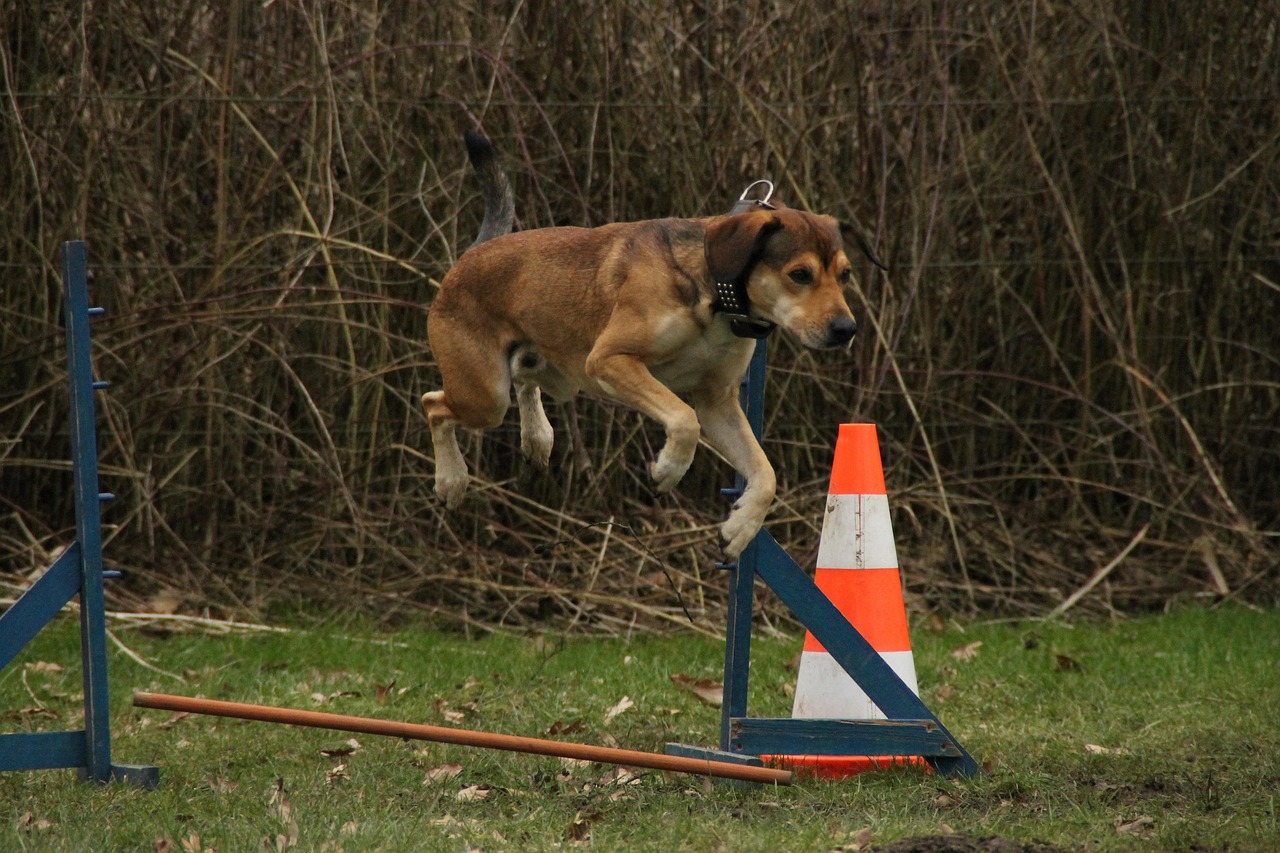
Training can also be coupled with exercises effectively. Utilizing positive reinforcement during physical activities can reinforce desired behaviors. Giving treats or praises during playtime or exercise helps build good associations with the activities. When dogs find pleasure during exercise, they develop positive behavior correlated with these activities, influencing their demeanor when left alone. It becomes important for owners to be involved in their pet’s physical development positively. Dog training programs are widely available, but ensuring that exercise continues to be a joyful experience is vital for its effectiveness. Incorporating new challenges like agility courses can add excitement, further enhancing their physical and mental capabilities. This dynamic approach prevents the onset of troublesome behaviors that can stem from boredom. Creating a balance between structured exercise and an enjoyable experience for dogs can significantly benefit their behavioral patterns. By equipping your dog with adequate exercise, you create a well-adjusted animal more comfortable and secure during alone times. Ultimately, the goal should be to reduce anxiety through enjoyable interactions.
Benefits of Social Interaction Through Exercise
Leveraging social interactions also plays a pivotal role in combating separation-related issues. Regular visits to dog parks or arranging playdates can provide the necessary socialization that dogs crave. These encounters allow them to engage positively with other animals, reducing feelings of anxiety when left alone. Engaging in group activities like training classes can enhance social skills and agility while nurturing a dog’s confidence. This form of social engagement not only serves to increase their physical fitness but also relates directly to improved behavioral outcomes at home. Dogs that regularly interact with other dogs tend to exhibit less anxiety during solitary times. The heightened energy levels resulting from play with peers can lead to a healthier, more balanced temperament. Importantly, introducing dogs to various experiences cultivates exposure to different environments, sounds, and individuals, which can significantly alleviate stress levels. Therefore, combining exercise with social opportunities remains an effective methodology to tackle destruction stemming from separation anxiety. Ultimately, the synergy of exercise and socialization fosters resilient and adaptive behaviors in dogs.
Moreover, proper exercise influences overall health, contributing positively to behavior. Regular activity aids in maintaining a dog’s physical fitness and prevents obesity, which can cause further health issues. A well-exercised dog is less prone to develop health-related anxiety. Adequate physical conditioning equates to reducing unnecessary stress during alone times. Exercise also leads to the release of endorphins, which significantly improve a dog’s mood, enhancing happiness levels when alone. Heavy and tiring exercises, such as retrieving games or long walks, effectively contribute to this outcome. Engaging in new and varied exercises ensures that your dog remains mentally alert while fostering a stable emotional state. It is equally essential to monitor your dog’s reactions during different exercise forms to find the best fit. A successful routine creates confidence in the pet’s environment, decreasing anxiety levels significantly. Consequently, providing a well-rounded exercise routine will enable your furry friend to feel calmer and more secure even during extended periods alone.
Implementing Exercise Routines
Implementing specific exercise routines provides an opportunity for structure within your dog’s life. Creating a flexible schedule that meets both your and your dog’s needs can yield significant results. Aim for at least 30 minutes of exercise per day, breaking it down into manageable segments throughout the day. Short bursts of agility play combined with leisurely walks can retain their interest. Engage with them actively rather than strictly focusing on a one-sided approach. This activity encourages interaction and builds a stronger bond. Consider utilizing toys or tools that stimulate both physical and mental engagement, such as puzzles or interactive dispensers. This interplay between physical exertion and mental challenges helps alleviate boredom, reducing unwanted behaviors. Ultimately, adapting an exercise routine into daily life creates not only a healthier routine but also a more satisfied dog. The beauty of exercise routines lies in their versatility; there is always room for creativity and fun. Each dog presents unique challenges, but tailored exercise can ultimately lead to creating a more peaceful home atmosphere.
In conclusion, exercise is a critical factor in reducing separation-related behaviors in dogs. By understanding its significance, pet owners can adopt practical solutions to combat these issues effectively. Whether through physical exercise, social interaction, or structured routines, the ultimate aim remains aimed at providing a safe and secure environment for dogs. A well-balanced routine significantly affects behavior, fostering a sense of calm and reducing anxiety during separation periods. Engaging in daily activities becomes necessary rather than optional; mere physical exercise proves insufficient without considering the broader behavioral context. Owners are encouraged to analyze their dog’s unique needs and preferences, ensuring the implemented activities address both physical fitness and emotional well-being. Observing the impact of these exercises leads to long-term benefits for both pets and owners alike. Lastly, remember that this is an ongoing process requiring patience and commitment. Through understanding and adapting strategies, the bond between the owner and pet becomes stronger, creating lasting harmony within the home.