
The Importance of Bowl Size and Shape for Feeding Cats
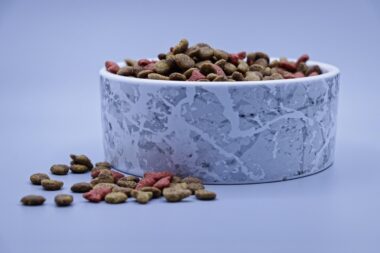
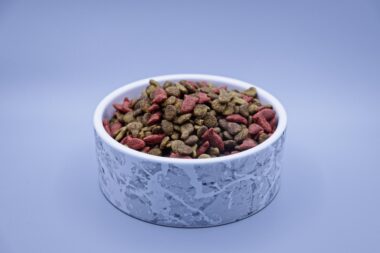
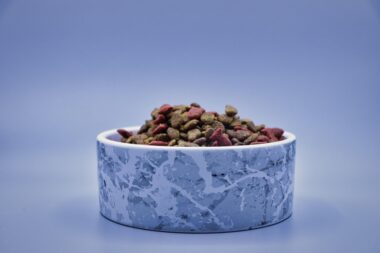
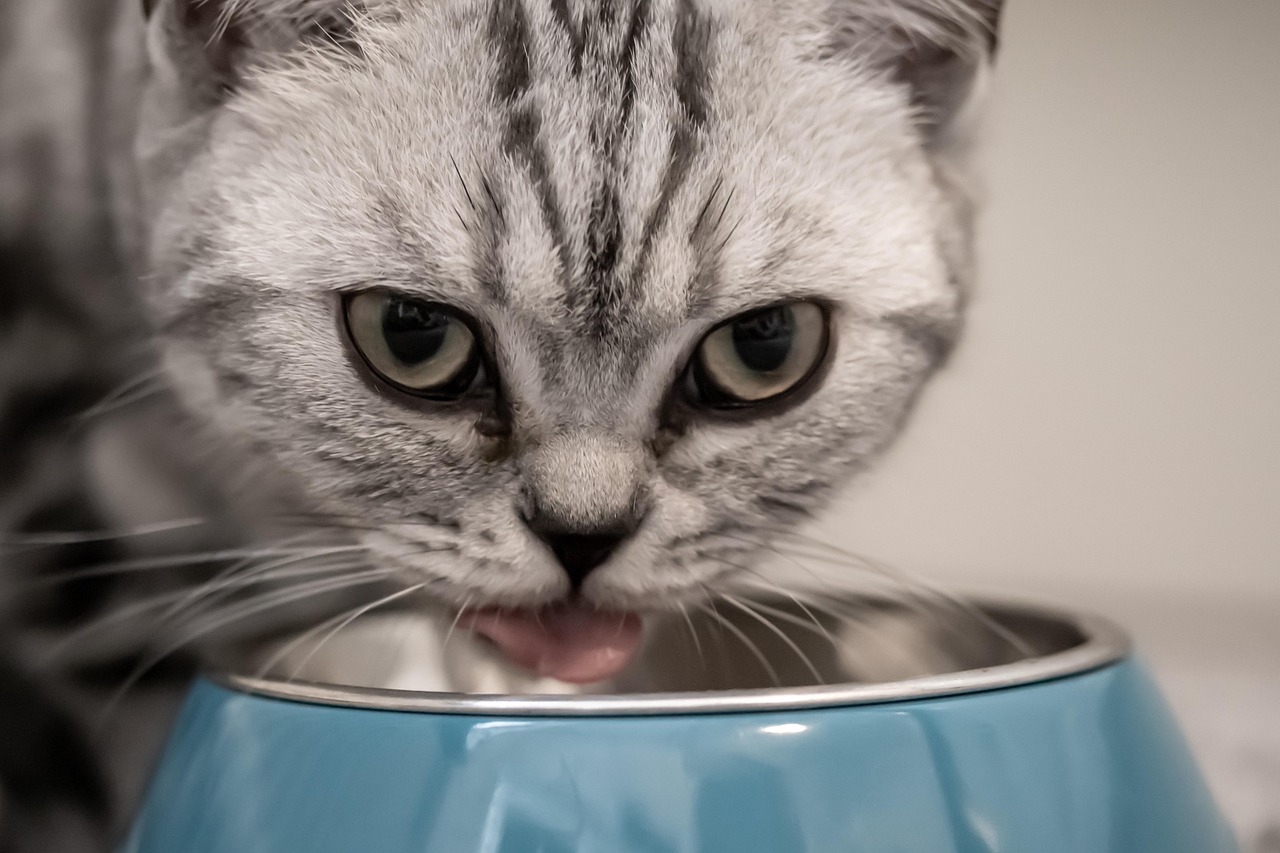
When it comes to feeding our feline friends, the size and shape of the bowls we use can significantly impact their health and eating habits. Cats, being natural hunters, often prefer certain types of bowl shapes over others. Shallow and wide bowls typically allow cats to eat more comfortably, as they do not experience whisker fatigue. This is a common issue when they lean into deep bowls, causing stress and discomfort. Furthermore, the material of the bowl plays a role too; ceramic bowls are preferred for their weight and stability, reducing the chances of spills. Plastic bowls might emit scents and cause allergies in some cats. The aesthetic aspect shouldn’t be ignored either; a bowl that matches the home decor can enhance the eating area, while ensuring cleanliness is vital. Frequent cleaning practices prevent any bacteria buildup, safeguarding our pets’ health. Additionally, consider having multiple bowls in various locations around the house, encouraging healthy hydration habits throughout the day. Choosing the right bowl is a crucial decision that can affect feeding behaviors and overall well-being.
In addition to the bowl material, the design has important implications for your cat’s feeding experience. Cats exhibit different feeding preferences, which can vary based on age and personality. For kittens, smaller, lighter bowls are suitable as they’re easier to access. Adult cats benefit from bowls that maintain a stable and low profile to prevent tipping and offer a comfortable feeding zone. Elevated feeders can be helpful for senior cats, as they reduce strain on their necks and joints. When evaluating the size and shape of feeding bowls, focusing on the dimensions that fit the cat’s physical attributes is essential. Bowls that are too deep will not only frustrate your cat but could also lead to overeating if they struggle to access the food at the bottom. Proper sizing and shapes ensure that your cat maintains its appetite and avoids unnecessary weight gain. Moreover, consider the frequency of feeding; shallow bowls allow for easy access to food, making them perfect for both dry and wet meals. The goal is to create an inviting and pleasant dining experience for your cat.
Why Bowl Choice Matters
Understanding the importance of bowl choice is crucial for maintaining your cat’s health. Poor bowl design can lead to certain health issues. For instance, if your cat struggles with accessing food due to the bowl’s shape or depth, they might develop behaviors such as eating too quickly. This can lead to choking hazards or digestive issues like vomiting. To prevent such circumstances, selecting a bowl that promotes slow eating is essential. Rubberized or weighted bowls may help prevent sliding or tipping, enhancing the eating experience. Not only the feeding itself but also hydration plays a significant role in cats’ overall health. Providing water in a properly sized bowl ensures that cats hydrate adequately. Inadequate water intake leads to urinary tract problems over time. Moreover, some pet owners opt for interactive feeding bowls that engage cats mentally while they eat. This encourages them to work for their food and promotes a healthy weight. Consider removing any food remains promptly to ensure the area remains clean and contamination-free, supporting your cat’s well-being.
Another critical factor is often overlooked: the location of the feeding bowls. Selecting an appropriate space for your cat’s feeding area can enhance their comfort while eating. Cats are creatures of habit and tend to prefer quiet, low-traffic areas without distractions. A designated feeding station can reduce the likelihood of stress during meal times. If possible, create a feeding zone that is separated from litter boxes and high-energy areas where people frequently gather. This level of separation makes it easier for your cat to feel safe while eating, which is essential for their confidence and assurance. Furthermore, the atmosphere during feeding can affect your cat’s acceptance of the food offered. Bright lights and continuous distractions may deter them from eating altogether. Observing your cat’s behaviors during mealtimes can help you adjust the space for maximum comfort and hygiene. Additionally, always ensure the bowl is located away from doorways and busy household routes. A calm environment allows for better digestion and a more enjoyable eating experience overall.
Hygiene and Maintenance
Hygiene is a crucial aspect when it comes to your cat’s feeding bowls; regular cleaning routines are vital. Bacteria can easily accumulate in bowls, especially in the case of wet cat food, leading to potential health risks for your furry companion. It is advisable to clean feeding bowls daily with warm soapy water and thoroughly rinse them before refilling with food or water. It may even be beneficial to designate specific bowls for dry and wet food to simplify the cleaning process. Consider investing in a few different sets of bowls to rotate through, ensuring cleanliness at all times. Additionally, inspecting the bowls for damages such as chips or scratches can prevent injuries. Regular maintenance and cleaning help keep feeding areas safe and appealing. For ceramic bowls, avoid using abrasive cleaning materials that could ruin their finishes. This constant attention to hygiene directly correlates with the overall health of your pet, allowing them to eat without concern. Establishing these habits early creates a positive environment for your beloved cat and reinforces the importance of their health.
Ultimately, the feeding experience for your cat should reflect your dedication to their well-being. Understanding their needs enables pet owners to provide customized feeding solutions that cater to specific preferences. Keep in mind that every cat is unique; what works for one may not work for another. Maintaining open communication with your pet is essential; observe their behaviors and adjust accordingly. Consult with your veterinarian for additional insights into your cat’s nutrition and feeding requirements. They may recommend certain types of bowls or feeding schedules based on your cat’s age and health. Personal interaction during feeding times can strengthen your bond, allowing you to monitor their eating habits and ensure they are not engaging in any undesirable behaviors. Additionally, through proper feeding practices and bowl selection, you instill lifelong healthy habits. Your commitment to selecting the right equipment showcases your love and care. In doing so, you encourage your cat towards a long and healthy life, providing a nurturing environment that supports their physical and emotional needs.
Conclusion
The relationship between bowl size, shape, and your cat’s eating habits is profound. By paying attention to these details, pet owners can promote healthier lifestyles among their feline friends. Choosing the right bowl shape can go a long way in preventing common feeding dilemmas while enhancing the overall experience. It’s not just about providing food; it’s about creating a nurturing environment for your pet to thrive. Frequently review your feeding routines and ensure alignment with your cat’s needs. Incorporate gradual changes rather than overwhelming them with new setups to maintain their comfort levels. With a little care and consideration, the simple act of feeding can foster a stronger bond with your cat. The ultimate goal is to ensure your cat receives the best nutrition possible while feeling at ease in their designated feeding area. This careful attention to detail enhances your cat’s life quality significantly. By embracing these practices, you set the stage for a healthy, happy, and harmonious life for you and your pet.
In summary, the significance of bowl size and shape cannot be underestimated. Properly designed bowls cater to your cat’s natural instincts and promote a positive feeding experience. Cats should feel comfortable to eat without undue stress or distraction. The impact of the right feeding accessories transcends mere convenience; it affects health, behavior, and happiness. Implementing thoughtful choices regarding feeding bowls can lead to substantial long-term benefits for your cat’s physical wellness. Assessing size, shape, and material are essential components of the nurturing environment you provide. Ultimately, you are not just feeding your cat but fostering a loving and healthy lifestyle that nurtures their physical and emotional well-being. By taking the time to understand your cat’s preferences and making informed decisions, you contribute positively to their quality of life. Adopting the right feeding practices lays the foundation for a fulfilling partnership with your furry companion. Remember, it’s these small things that often make the biggest difference in a cat’s life, allowing them to flourish under your care.