
The Impact of Maternal Care on Kitten Growth
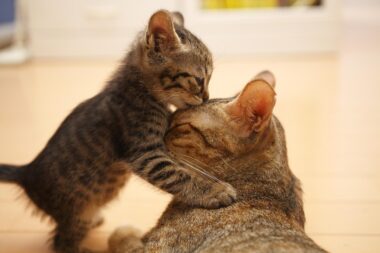
Maternal care is crucial for kitten survival and growth, impacting their physical and emotional development. The mother cat, or queen, provides not only nourishment through her milk but also warmth and security. Proper maternal behaviors such as grooming, feeding, and keeping her kittens close foster a healthy environment. Early experiences with their mother influence the kittens’ future social behaviors. For instance, kittens learn critical survival techniques from observing their mother. They mimic her behaviors, which prepares them for independence. The queen’s maternal instincts respond to her kittens’ needs, ensuring each one gets adequate attention. The first few weeks are particularly essential, setting the foundation for emotional health. Physical health, including weight gain and overall vitality, also hinges on effective maternal care. A nurturing environment promotes better growth rates and enhances the kittens’ immunity to diseases. Additionally, stress levels in the mother can affect milk production and, subsequently, the kittens’ health. Thus, the maternal influence on kittens goes beyond mere care; it shapes their future well-being significantly, establishing a vital link between maternal care and kitten growth.
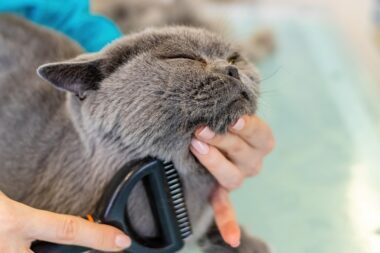
The physical aspects of maternal care begin with nursing, which provides essential nutrients to the kittens. Colostrum, produced in the initial days, is vital for a kitten’s immune system. This early milk contains antibodies that protect them against infections. During this period, the queen frequently nurses her kittens, at least every two hours, ensuring they receive necessary sustenance. Maternal behavior also incorporates keeping the nursing area clean, a behavior that helps maintain hygiene. Grooming is another important aspect, as it not only keeps the kittens clean but aids in bonding. Through grooming, the mother cat stimulates her kittens’ blood flow and digestion. Emotional bonding is created through this interactive care, which is crucial during the first few weeks of life. Additionally, kittens receive warmth from their mother, which is essential for their thermoregulation. The queen instinctively knows how to position herself to provide best warmth and protection. Kittens that lack proper maternal care can face serious health risks. Therefore, a mother cat’s attentive care during this stage significantly impacts the kittens’ overall growth and long-term development.
Social Learning Through Maternal Interaction
Social learning occurs predominantly via interaction with the mother cat during early development. Kittens are born blind and deaf and depend entirely on their mother for guidance. Through various interactions, they learn critical social skills, including communication and play behavior. The mother cat demonstrates behaviors that kittens observe and imitate. This learning process is instrumental for their future interactions with other cats and humans. For example, when the mother engages in play, her kittens quickly follow suit. Effective play is fundamental for developing motor skills and understanding boundaries with social interactions. Furthermore, mothers teach their young about predatory behaviors through demonstrated stalking and pouncing during play. These imitative behaviors are crucial for survival once they become independent. The early socialization instills confidence and helps reduce fear, fostering adaptability in diverse environments. Interactions with a mother cat who displays calm and playful behavior nurture emotionally stable kittens. Contrastingly, neglectful maternal care can result in timid or overly aggressive personalities in adult cats. Thus, the role of social learning through maternal interactions cannot be overstated in kitten development.
Additionally, nurturing behaviors exhibited by a queen contribute to the kittens’ emotional stability. Kittens that experience secure attachment due to maternal care are likely to become well-adjusted adults. This nurturing encompasses not only feeding but also responsive behaviors to cries and needs of the kittens. When a queen responds promptly to her kittens’ vocalizations, it reinforces their sense of security. During stress or uncertainties, a mother’s presence soothes her kittens, teaching them that they are safe. This bond fosters resilience as the kittens mature, greatly impacting their personality development. Positive experiences during kittenhood are correlated with lower anxiety and higher sociability later in life. Conversely, maternal deprivation leads to increased anxiety levels and difficulties in social interactions as adults. Thus, the emotional health established in early life through maternal care substantially affects their ability to navigate the world. Kittens raised with attentive mothers demonstrate healthier relationships with both their peers and humans. This bond emphasizes the critical nature of the emotional connection fostered through maternal care in nurturing well-rounded adult cats.
Health Implications of Maternal Care
The health implications of maternal care extend beyond infancy, impacting the long-term well-being of adult cats. Kittens that receive sufficient maternal attention tend to exhibit improved physical health through their adult lives. Proper maternal nutrition during pregnancy and lactation ensures kittens receive essential vitamins and minerals. The importance of a balanced diet cannot be overstated as it affects the overall health of both mother and offspring. Maternal health directly correlates with the quality of milk produced, which in turn influences kitten growth. Healthier kittens tend to have stronger immune systems, enabling them to fend off diseases effectively later. Additionally, maternal behaviors such as grooming can reduce the incidence of parasites, creating healthier living conditions for the litter. Regular monitoring of the queen’s health during and post-pregnancy ensures she can adequately care for her young ones. Furthermore, veterinary care for the mother cat should include vaccinations and parasite control during gestation. Decreased maternal stress through proper care leads to better outcomes for both kittens and mother. Thus, investing in maternal health is an investment in the kittens’ future.
As kittens reach independence, the effects of maternal care continue to play a significant role. Early maternal experiences help shape kittens into adaptable and confident adult cats. This adaptability is vital in ensuring they can handle changes in their environment or routine. Cats that experience positive maternal attachment exhibit better coping strategies in dealing with stressors. They tend to engage with their surroundings more positively compared to those without a nurturing start. Those lacking early care often develop avoidance behaviors or aggression due to fear of new stimuli. Socialization is particularly crucial, and kittens taught by their mothers to interact gently with others are more likely to carry this behavior into adulthood. Moreover, maternal care influences health behaviors as well, where kittens model the queen’s habits regarding hygiene and grooming. Adult cats tend to reproduce behaviors learned from their mothers. Thus, ensuring mothers provide proper care is essential for raising healthy, socialized, and well-adjusted adult cats. The significance of maternal behaviors in shaping behaviors and health throughout life cannot be overstated.
Conclusion: Nurturing Future Generations
In summary, maternal care is critical in influencing the growth trajectory of kittens. The mother cat plays a multifaceted role in shaping not only their immediate survival needs through nourishment but also their long-term physical and emotional well-being. From providing essential nutrients via her milk to teaching essential social skills and coping mechanisms, the impact of a mother cat is profound. The behaviors learned during these formative weeks translate into adulthood, establishing the base for healthy interactions and behaviors in later life. Kittens that enjoy nurturing and responsive maternal environments tend to exhibit positive physical and emotional health outcomes, making them more adaptable and sociable. This pivotal relationship underscores the importance of quality care during the kitten stage, and highlights the interconnectedness of maternal influence on these delicate creatures. As cat owners, understanding the significance of these maternal behaviors plays a crucial role in breeding or caring for a healthy feline family. Investing time into understanding and promoting maternal care leads to happier, healthier future generations of cats.
Encouraging environments for new mothers should be established to promote healthy maternal behaviors. Training and education for cat owners can enhance their understanding of the maternal role and the needs of nursing cats. Supporting new kittens and their mothers during this sensitive phase is essential in ensuring that they can thrive together. Providing adequate resources, such as proper nutrition and a peaceful environment, can reduce maternal stress and improve outcomes for kittens. Furthermore, recognizing signs of maternal bonding patterns can help ensure timely intervention in case of any issues. With a little support and education, cat owners can ensure that the kittens receive the best start possible in life. Creating a nurturing environment for mother cats contributes significantly to the welfare of future feline generations. The bond formed during kittenhood with their mothers shapes the kittens’ personalities and health for years to come. Ensuring quality maternal care is thus a responsibility that extends beyond the immediate environment. By fostering maternal behaviors, we contribute to the cycle of health, happiness, and adaptation in the feline world.