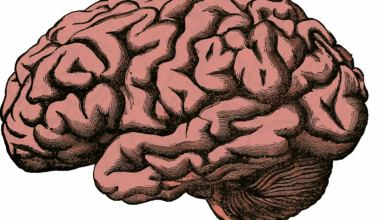

Understanding the Importance of Rest in Puppies
Puppies require adequate sleep for their physical and mental development. Sleep supports their growth and helps the brain process information. A well-rested puppy is often more playful, alert, and eager to learn. Puppies generally sleep 18 to 20 hours a day, broken into numerous short naps. This extensive sleep cycle helps repair tissues, develop muscles, and strengthen their immune system. Instilling healthy sleeping habits from an early age promotes a well-adjusted adult dog. During sleep, puppies dream, which enhances their learning and memory. Just like human babies, puppies go through rapid eye movement (REM) sleep stages, during which their brain activity is high. This is crucial for their development. Owners must create an environment conducive to restful sleep. A comfortable bed, a quiet space, and minimal disturbance help ensure puppies get the rest they need. Furthermore, understanding a puppy’s sleep patterns, including their awakenings and sleep cycles, aids in providing care tailored to their needs. This understanding fosters a bond between the puppy and the owner, emphasizing the importance of creating a supportive living environment. Puppies are not only adorable; they are also fascinating creatures that require our care and knowledge to thrive.
Monitoring a puppy’s sleep schedule is essential for both health and behavioral understanding. Puppies often display signs when they are tired, such as yawning, whining, or seeking solitude. Recognizing these signs facilitates timely napping opportunities. Establishing a routine can significantly benefit a puppy’s sleeping habits. Consistent sleep schedules help regulate their internal clock, promoting better sleep quality. Just like humans, dogs thrive on routine, and they develop expectations about when it is time to sleep and wake up. Owners should avoid disrupting a sleeping puppy, as this can lead to increased anxiety and disrupted sleeping patterns. It is just as important to ensure that they have ample exercise during the day. Physical activity helps them expend energy, making it easier for them to settle down and sleep. Playtime sessions and walks can greatly enhance their well-being. Furthermore, enforcing calmness before bedtime promotes relaxation. Engaging in gentle play or cuddling can aid this process. Puppies, just like children, require patience and understanding; learning their habits leads to better care and companionship. Maintaining a balance between activity and rest supports overall health and happiness in dogs.
The Impact of Sleep on Behavior
Sleep deprivation negatively affects a puppy’s temperament and behavior. Tired puppies are more prone to irritability, excessive barking, and frustration. A well-rested puppy is generally more sociable and trainable. Observing your puppy during sleep can also provide insights into their comfort levels and emotional state. An anxious puppy may exhibit restless sleep patterns or frequent awakenings. Addressing such issues early can prevent long-term behavioral problems as they age. Puppies that do not receive adequate sleep may also struggle with focus during training sessions. Training sessions require concentration and attentiveness from both the puppy and the handler. Sleep plays a crucial role in energy levels and cognitive function. Dogs that are well-rested can better retain new commands and skills learned during training. Additionally, sleep influences their ability to interact positively with other dogs and people. It contributes to their emotional stability. Puppies that sleep well are often more adaptable to new experiences and environments. With a good night’s rest, puppies generally wake up refreshed and ready to approach the day’s challenges with gusto. Nurturing healthy sleep habits enhances companionship between dogs and their owners, reinforcing a harmonious household.
A puppy’s sleeping environment significantly contributes to their quality of rest. The sleeping area should be cozy, safe, and quiet to ensure uninterrupted sleep. Owners should choose a designated spot away from high traffic areas. A warm, cushioned bed can greatly enhance comfort while minimizing distractions, which is vital to a puppy’s sleep. Consider using a crate or a specific room where they can feel secure. Introducing a blanket or a favorite toy may help them settle in faster. Removing potential disturbances, such as noise or bright lights, aids in achieving quality sleep. Puppies often wake up during the night for various reasons. They may need to relieve themselves or feel anxious about being alone. Owners should be patient and reassuring during these times. Ensuring that the puppy is ready for sleep by sticking to bedtime routines can significantly help manage nighttime waking. Also, providing ample opportunities for daytime play reduces nighttime restlessness. Knowing that puppies require consistent reassurance and routine, owners should be understanding. A comfortable sleep environment reduces anxiety and increases the likelihood of a longer, restful sleep for puppies overall, reflecting positively on their daily behavior and relationships with families.
Understanding Sleep Cycles in Puppies
Just like adults, puppies have different sleep cycles. Understanding these cycles can greatly aid owners in managing their pet’s needs. Puppies experience rapid eye movement (REM) sleep alongside non-REM sleep phases. REM sleep is when most dreaming occurs, and it typically follows deep sleep stages. This phase is essential for cognitive development as puppies process their daily experiences. During non-REM sleep, puppies enter restorative sleep, which helps their body heal and recharge. The total duration of sleep cycles can vary, often lasting between 20 to 60 minutes. Owners should note that puppies may wake up after only a short round of sleep, especially if disturbed. This wakefulness can be a result of their ongoing development and natural curiosity. Puppies also transition between these stages multiple times throughout their sleep, which is why they seem to sleep so deeply at times, only to wake suddenly. If a puppy frequently interrupts their sleep, it may suggest discomfort or underlying issues. To support healthy sleep cycles, owners should create a calm and relaxing pre-sleep routine, making rest a priority. Adequate rest leads to overall happier and healthier pups in the long run.
Recognizing the signs of sleep problems in puppies is crucial for their health and well-being. Some puppies may display unusual behavior concerning sleep patterns, such as excessive sleeping, difficulty falling asleep, or waking up frequently. It’s essential to monitor these patterns and communicate with a veterinarian if concerns arise. Understanding what constitutes a normal sleep pattern can vary from breed to breed, as some may require more rest than others. Adjustments in diet or exercise routines may also play a role in their sleep habits. A healthy, balanced diet contributes to proper energy levels, enhancing sleep. Conversely, overexertion or lack of routine may result in restlessness or fatigue. Puppy owners should ensure proper nutrition and regular health check-ups. Dealing with potential sleep disturbances early ensures the puppy’s mental and physical health is prioritized. Additionally, developing a nurturing atmosphere aids puppies in feeling secure. Consideration for the surrounding environment and their overall lifestyle creates a supportive base for restful sleep patterns. Also, providing consistent refreshment opportunities throughout their day increases their comfort levels. By addressing sleep problems diligently, owners can contribute positively to their puppy’s early development, thereby enhancing their bonding experience.
Fostering Healthy Sleep Habits
Fostering good sleep habits in puppies requires a blend of patience, consistency, and understanding. Establishing a nighttime routine can greatly enhance a puppy’s ability to fall asleep peacefully. Such routines may include calming activities, such as gentle brushing or quiet cuddles, which signal that it’s time to wind down. Owners may also encourage positive sleep associations by praising their puppy when they settle down peacefully. Creating a familiar, cozy sleeping environment supports a sense of security and comfort during nighttime hours. The puppy’s bed should be an attractive space of its own, designated for relaxation. Limiting stimulating activities close to bedtime is essential for promoting a seamless transition to sleep. Instead, engage in calm play or introverted activities that discourage alertness and encourage snuggling. Additionally, socializing puppies with various experiences during daylight encourages adaptation, setting up the potential for peaceful nights. Establishing boundaries for sleep space and time can also soft-launch their training on independence. Puppies gradually learn to soothe themselves and feel secure. Through consistent encouragement and nurturing practices, owners develop lifelong habits that ensure their furry companion receives the quality rest they need.
In conclusion, understanding a puppy’s sleep needs and habits is vital for their growth, well-being, and behavior. Puppies require ample rest to support their physical and mental health, making the establishment of healthy sleep routines crucial. Not only does quality sleep foster learning and development, but it also promotes good behavior and strengthens the bond between the puppy and owner. Observing signs of fatigue and understanding sleep cycles enables owners to respond appropriately to their puppy’s needs. Additionally, creating a secure and calming sleeping environment enhances comfort, ensuring puppies can rest without interruption. Owners must play an active role in developing these sleep habits through supportive routines and positive reinforcement. Healthy sleep routines ultimately lead to happy, confident, and well-adjusted dogs, forging a strong lifelong companionship. As puppies grow and experience the world, their sleep habits may evolve, but the foundation established during their early days remains essential. Consistency and patience will guide owners through the sometimes challenging journey of puppyhood and their subsequent development. By prioritizing rest and understanding, owners not only raise healthier puppies but also enrich their own lives as they share every delightful moment with their adorable companions.