
Signs Your Aging Dog Needs More Physical Activity
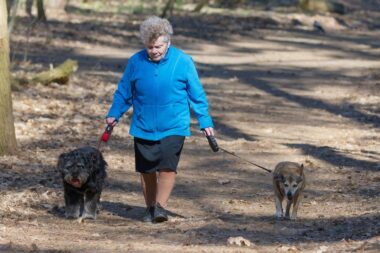
As dogs age, they may become less active, but it’s crucial to monitor their exercise needs. Recognizing the signs can help maintain their health and well-being. Chronic laziness or reluctance to get up could indicate that your dog is not getting sufficient opportunities for physical activity. If you notice your dog lying down for extended periods or responding sluggishly to stimuli, it may be time to adjust their routine. A common sign is increased weight gain, attributing to inactivity can quickly compromise their physical health. Additionally, some dogs may exhibit signs of agitation or boredom when they are not engaged in enough stimulating activities or exercise. You could notice them pacing or being destructive at home, which are often signs of pent-up energy. Adjusting their daily routine to include walks can help alleviate these behaviors. Always monitor their energy levels, as older dogs might exhibit newfound laziness, which can stem from joint pain. Being aware of these symptoms enables you to tailor a regimen that suits their evolving needs, ensuring a happier and healthier senior friend.
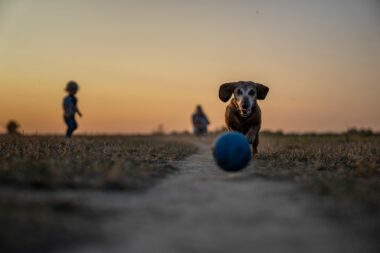
Another indicator that your aging dog may require more physical activity is their playful behavior. If your dog, who once enjoyed activities, loses interest, it’s worth evaluating the situation. An aging dog might seem less energetic once eager to chase balls, but if they remain upbeat about interactive games, that’s a positive sign. When assessing your dog’s behavior, consider their reaction to enticing activities, like going for walks or playing fetch. If they perk up at the mere suggestion of a walk, it may indicate the need for regular exercise. You might also notice your dog panting more than usual, even during short walks. This can be a warning that while they need movement, their physical conditioning might have changed. An ideal approach would be to consult with a veterinarian to develop a suitable exercise plan. Incorporating gentle activities, such as swimming or slow-paced walking, might encourage your dog to stay engaged. Gradually increasing the intensity and duration of activities can help maintain their mobility and overall well-being, ensuring they remain vibrant companions.
Behavioral Changes Indicating Need for Exercise
Changes in your dog’s behavior often reflect their physical needs. Pay attention to changes such as restlessness or compulsive behaviors; these can signal that they need more exercise. When a dog becomes overly vocal or agitated, it may result from pent-up energy. Daily walks can provide physical stimulation and mental engagement that will help mitigate these behaviors. If your dog is having difficulty settling down or seems more anxious than usual, it might suggest that they aren’t getting enough physical activity. Increasing their exercise routine can significantly improve mood and alleviate anxiety. Additionally, watch for signs of discomfort or stiffness after activity; this may indicate that they need a more balanced approach to exercise. Gentle stretching, combined with gradual activity increases, can help them maintain mobility while preventing exhaustion. Maintaining communication with your veterinarian about these behaviors can keep you on the right path toward managing your aging dog’s fitness levels. Providing enrichment activities, such as interactive toys, can also enhance their environment, encouraging movement and exploration while catering to their fading energy levels.
Another significant sign that your aging dog may require more physical activities is when their appetite changes. If your dog begins to eat less or shows disinterest in meals post-exercise, it may be a signal that their physical activity levels are insufficient. Regular appropriate exercise can stimulate their appetite, promoting better digestion and overall health. Frequently check in on their hydration levels as well, ensuring they are sufficiently drinking, especially after exercise. Increasing physical activity tends to boost metabolism, keeping your dog healthier and energizing their body functions. If your dog becomes easily fatigued during walks, you should reconsider the pacing of their activities, making sure that you maintain a supportive role in their exercise habits. Gentle, positive encouragement can motivate them to engage with the world around them. Furthermore, incorporating variety into their activity routines can make the experience more enjoyable for them. Providing opportunities for socialization with other dogs or engaging toys can help maintain their interest in physical activity while contributing to mental and social well-being. Observing these behavior patterns will allow you to adapt their exercise levels correctly and efficiently.
The Importance of Regular Veterinary Check-ups
Consistent check-ups with your veterinarian can be vital as your dog enters its golden years. A vet can assist in creating a tailored exercise plan suited to your dog’s specific health situation. Regular exams help track weight changes, joint health, and overall fitness levels. Discuss any changes you observe with your vet, including sudden laziness or difficulty in activities they once enjoyed. Pay attention to joint health issues, which often become predominant as dogs age. Your vet can recommend suitable exercises or therapies to support their mobility while ensuring they remain active. You may want to inquire about supplements or dietary adjustments that could enhance their energy levels. Keeping up with vaccinations and preventive medications should also be part of the plan. Healthy dogs are happier dogs, and that should be your primary goal. Through regular appointments, you can ensure your aging dog enjoys the physical activity they require safely. Educating yourself about canine aging can also empower you to care for your furry companion effectively, ensuring their golden years are enjoyable alongside you. This proactive approach will undoubtedly keep your pup feeling and looking their best for years.
In conclusion, ensuring that your aging dog gets enough physical activity is essential to maintaining their overall health and happiness. Identifying the signs mentioned above can aid in creating a tailored exercise routine to fit your dog’s needs. Be attentive to subtle behavioral shifts, which might signal they require a change in their daily activities. By gradually increasing their exercise levels, you’ll help enhance their mood, appetites, and overall fitness. Always consult with a veterinarian to create a plan that can adapt to your dog’s ability and health needs effectively. Understand that some changes, like a slower pace or more reluctance, are entirely normal but should be approached with care. Ensuring a good balance between mental and physical stimulation will cater to their cognitive needs as they age further. Employing techniques to help improve their engagement in activities will promote their happiness. Be sure to mix in socialization opportunities that will excite your dog about going out. Ultimately, keeping your aging dog active will not only extend their life but will also deepen the bond you share together. Remember, engaged dogs are happy dogs, leading to a more fulfilling shared life.
The last segment to consider is how to adapt your home environment to facilitate more activity for your aging dog. Simple adjustments can make a significant impact in promoting physical movement. Consider creating a pet-friendly space, filled with open pathways that encourage exploration. Removing obstacles and providing meaningful access to their favorite rooms can stimulate their interests, reducing lethargy. You could introduce devices like treat-dispensing toys, which make activity fun and rewarding for them. Gradually enhance their daily itinerary, avoiding overwhelming them with sudden increases in activity level. Integrate playful strategies, such as scent games where they track treats placed around the house. Engaging their sense of smell can be rewarding and motivate them to move around frequently. If stairs or uneven terrains are challenging for your older dog, consider installing ramps to simplify access to various areas. Successful adaptations can motivate your dog to stay active while keeping their comfort front of mind. In your endeavor to keep your aging dog engaged, ensure that the changes you implement support their health and enhance their quality of life overall.
Final Thoughts on Aging and Exercise
Keeping an eye on your aging dog’s exercise routine is crucial for their health and vitality. They may not show the same enthusiasm toward physical activity as they age, but it doesn’t mean they no longer need it. Regular engagement through walks, play sessions, and mental stimulation can significantly improve their well-being. Understanding how aging affects your dog helps you make informed choices regarding their routines and lifestyles. Be patient and observant as you adapt their activities over time to suit their needs while ensuring they stay safe. Keeping consistent schedules can also provide predictability that is beneficial for older dogs. Celebrate any successes your dog achieves in becoming more active, whether it’s playing longer or showing excitement for walks. Those small victories are incredibly significant in their journey toward maintaining health. Prioritizing their happiness translates directly into a fulfilling companionship experience. By investing time in understanding their evolving needs, new strategies to keep them active, and adapting care accordingly, you can ensure your dog leads a fulfilling and healthy life into their advanced years. Always cherish their unique personality, and continue building memories together.