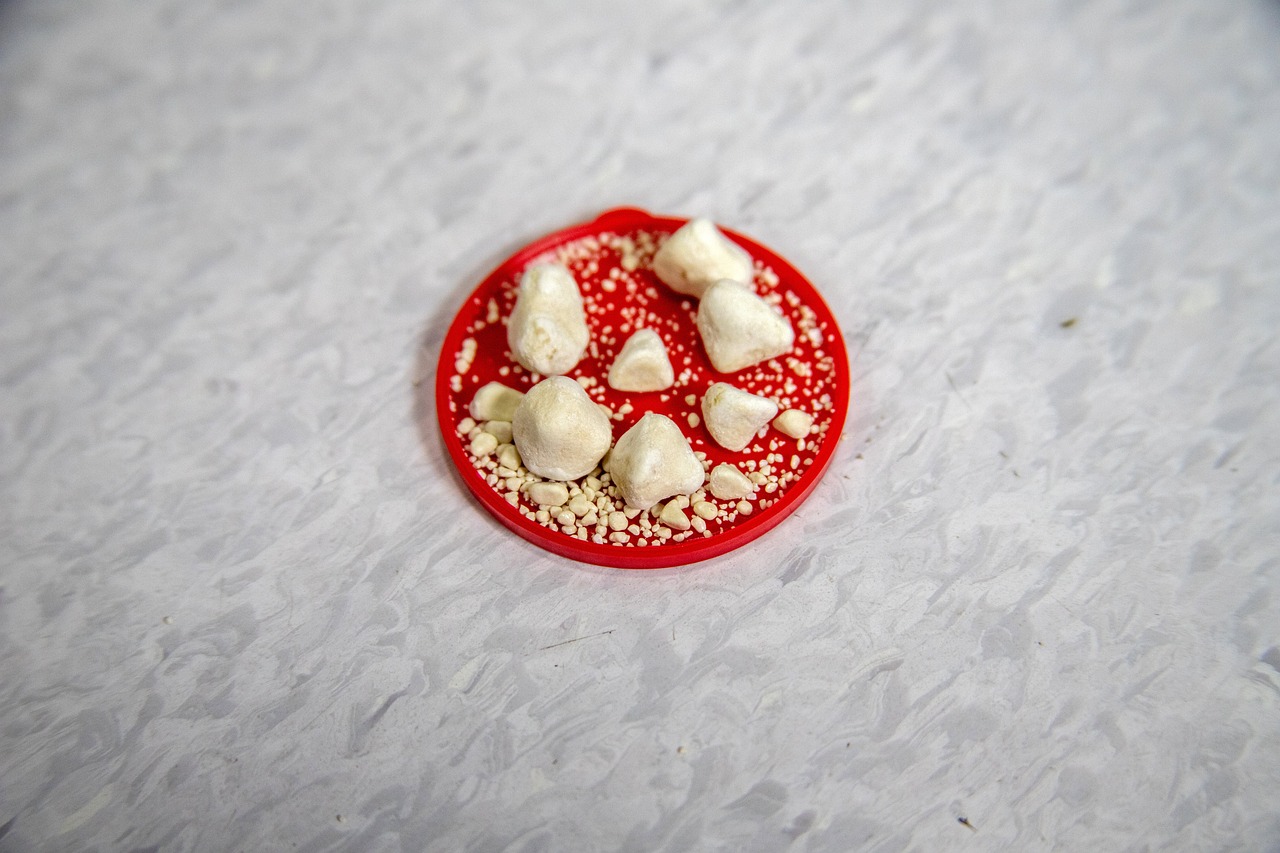

How to Prevent Urinary Tract Problems in Your Dog
Urinary tract diseases in dogs can lead to significant health issues if left untreated. Recognizing the symptoms early is crucial for effective treatment. Common signs include frequent urination, straining to urinate, blood in the urine, and licking the genital area. Each symptom can indicate an underlying problem that needs prompt attention. To help in prevention, ensure that your dog has regular vet check-ups. Discuss any behavioral changes with your veterinarian. Incorporate a diet that supports urinary health, which is important in preventing certain urinary conditions. Many veterinary diets are specifically formulated for dogs with urinary health concerns. In addition, access to fresh and clean water is essential. Ensure your dog is well-hydrated to help dilute urine and flush out toxins. The frequency of bathroom breaks is also vital. Take your dog outside multiple times a day to prevent urinary retention. Engage with your dog in regular exercise, as this helps to maintain a healthy weight. Obesity can significantly impact urinary health. Consider adding supplements to their diet that promote urinary tract health.
Understanding the causes of urinary tract diseases is essential in prevention. Factors like age, breed, and previous health issues can play significant roles. Female dogs tend to be at a higher risk than males, especially with recurrent urinary infections. Genetics also plays a crucial factor; certain breeds have a predisposition towards urinary issues. It is beneficial to educate yourself on breeds particularly susceptible to urinary conditions. Regular urinalysis can help in detecting issues at an early stage, and your veterinarian may recommend it based on your dog’s history. Pay attention to environmental factors too. Stress and changes in routine can cause urinary issues or exacerbate existing problems. Reducing stress through a stable environment and consistent schedule can positively impact their urinary health. Remember that a dog’s diet also influences their urinary tract health. Feeding a balanced and high-quality diet aids in overall wellness, which includes urinary function. Limit treats that are high in salt, as they can increase thirst and urination frequency. Ensure any treats given are suitable for their dietary needs and don’t contribute to obesity or urinary tract concerns.
Maintaining Regular Hydration
Hydration is a crucial component in preventing urinary tract diseases in dogs. Dehydration can lead to concentrated urine, increasing the risk of urinary crystals or infections. To ensure your dog stays hydrated, place water bowls in accessible locations throughout your home. Use several bowls if necessary to encourage drinking, especially during hot weather. Consider adding ice cubes to their water bowl, as many dogs find this refreshing. You may also introduce wet food into their diet. It contains more moisture than dry food, which aids in keeping your dog hydrated. Dogs who show little interest in drinking may benefit from a pet water fountain. Many dogs prefer running water because it tastes fresher and can entice them to drink more. Take your dog for regular walks and ensure they have opportunities to drink before and after exercise. Monitor their drinking habits and consult with your veterinarian if you notice significant changes. Every dog is unique, and their hydration needs may vary. Make it a habit to encourage drinking regularly by flavoring their water with low-sodium broth occasionally.
Regular bathroom breaks can significantly reduce urinary tract problems in your dog. Dogs should be allowed to relieve themselves frequently to avoid urinary tract infections or other complications. Ideally, take your dog out at least three to four times a day or as often as necessary based on their needs. Puppies and elderly dogs may have different bathroom requirements, necessitating more frequent trips outside. During walks, allow them ample opportunities to sniff and explore as this can stimulate urination. Always observe for signs that indicate they need to go outside, such as pacing, whining, or circling. If you notice consistent accidents in the house, consider establishing a more structured bathroom schedule. Crate training can aid in developing good bathroom habits. Dogs are less likely to urinate in their sleeping area. Additionally, staying alert to potential issues within your pet’s environment, such as stress or anxiety that could trigger urinary problems, will help you intervene early. If your dog shows signs of discomfort while urinating or changes in odor or color of urine, consult your veterinarian promptly for an assessment.
The Importance of a Proper Diet
A proper diet is key to maintaining urinary health in dogs and preventing urinary tract diseases. High-quality dog food that meets their dietary needs promotes overall well-being and can prevent various health issues. Foods that are high in fiber support healthy digestion, which indirectly benefits urinary health too. Be cautious with feeding table scraps, particularly salty or fatty foods, as these can lead to obesity and contribute to urinary problems. Instead, look for commercially available diets engineered explicitly for health issues. These diets can help dissolve crystals, reduce urine concentration, or manage specific health conditions. Always consult with your veterinarian to determine the best diet suitable for your dog’s health needs. Along with their daily food, consider incorporating supplements designed to support urinary health, such as cranberry extract, which may help prevent urinary infections. Following your veterinarian’s recommendations will ensure you’re giving your dog the right balance of nutrients. Food should be served in controlled portions to avoid weight gain, ensuring any changes or additions are introduced gradually. Lastly, always monitor their weight and health closely, adjusting the diet as necessary.
Keeping your dog’s urinary health in mind includes regular vet visits and careful monitoring of their health. Regular veterinary check-ups are essential for early detection of urinary tract diseases and overall well-being. Discuss any changes in behavior or urinary patterns with your vet; early intervention is critical for successful treatment. It is also convenient to keep records of your dog’s bathroom habits, including frequency and consistency. This information can aid your veterinarian in diagnosing any potential issues. If your dog has had previous urinary infections or is showing any troublesome symptoms, your vet may recommend additional tests to ensure their health. Being proactive about your dog’s health helps identify problems before they escalate. Also, consider having a urinary health evaluation included in their annual wellness check. Educating yourself about your dog’s unique breed tendencies allows you to predict potential issues. Be engaged in their health management by asking questions and staying informed. By observing your pet’s behavior and maintaining open communication with your vet, you’ll significantly enhance their chances of avoiding serious urinary tract problems.
Final Thoughts
In conclusion, preventing urinary tract problems in dogs involves a holistic approach, combining proper diet, hydration, exercise, and regular veterinary care. Each of these components plays a role in maintaining urinary health and the overall well-being of your dog. Remember that early recognition of urinary issues can lead to better treatment outcomes. Make sure to be attentive to any signs of discomfort, as dogs cannot express their discomfort as humans do. Create a supportive environment where your dog can thrive by establishing a routine that incorporates regular vet visits, a balanced diet, and daily exercise. Financially budgeting for veterinary visits, medications, and quality dog food can alleviate future burdens. Prevention is always better than cure, especially when it comes to your dog’s health. Encourage your dog to be active, which not only helps their urinary tract but supports overall fitness and vitality. The love and nurturing you provide create a foundation for a healthy life, ensuring your dog enjoys many years of companionship with you. Stay informed, proactive, and engaged in your dog’s health journey to foster a longer, happier life together.