
Transitioning from Puppy Pads to Dog House Training
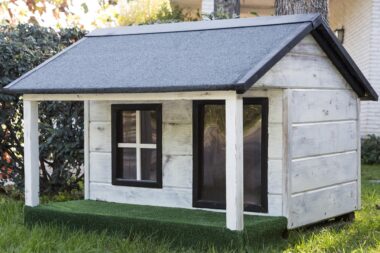
Training your puppy to use a dog house is a crucial step for their growth and comfort. The process requires patience and consistency from the owner. Start by introducing the dog house as a fun and safe space. Place it in an area where your dog feels secure. Use toys and treats to encourage your puppy to explore the house freely. Remember that positive reinforcement is vital. Whenever your puppy goes near or enters the house, reward them with praise or a treat. Additionally, keeping the dog house clean and comfortable will make it a more appealing place for your puppy. You can gradually decrease the use of puppy pads as your dog begins to understand the concept of using the dog house. Establish a routine schedule for bathroom breaks to help them associate specific times with outside potty training. This will aid in developing a habit. Being consistent and patient throughout this process will yield the best results for your puppy. Eventually, they’ll learn to enjoy their dog house as their personal space.
In order to make this training as effective as possible, consider the importance of timing and environment. Integrate bathroom breaks into your puppy’s daily routine during specific times, like after meals or playtime. The consistency of these breaks will signal to your dog that it’s time to relieve themselves outside. To further entice them, you can use verbal cues when they eliminate outside, reinforcing positive behavior. Coordinate the training with praise when they successfully use the house for bathroom breaks, making it a positive experience. This combination of routine and praise is crucial in building a strong foundation for training. Additionally, removing the puppy pads gradually can help them adjust better to the dog house. For this, you can start by placing pads close to the entrance of the dog house before finally eliminating them altogether. Watching for signs that indicate they need to go out, such as sniffing or whining, is essential. Recognizing these signs allows you to intervene and guide them outdoors for successful bathroom training.
Understanding Your Dog’s Needs
Each dog is unique, so understanding their personality is essential in the training process. Some puppies may be reluctant to leave their familiar puppy pads due to comfort. Recognizing your dog’s specific needs and temperament will help tailor your training. If your puppy seems anxious or scared to use the dog house, consider spending extra time getting them accustomed to it. You can achieve this by gradually encouraging them to enter the house, using treats to lure them in effectively. Repetition will help create a sense of safety and comfort with their new space. Observe how they respond to these changes, as their reactions can guide your approach. Some dogs may require more time, while others adapt quickly. Don’t rush the process; patience is key. As they adjust, continue to provide positive associations with the house. Encouraging your puppy with love, treats, and gentle verbal cues during this transition can make all the difference in their comfort level. Other household pets or environmental distractions should be minimized to facilitate focus and learning during this time.
As your puppy becomes more comfortable using their dog house, you can increase their time spent inside. Start by encouraging short stays within the house, gradually lengthening these periods. During this time, you can supervise to ensure they remain happy and relaxed. It’s essential to monitor their overall behavior and emotional state throughout the process, ensuring they do not feel isolated. Associating this space with relaxation is crucial, so placing their favorite toys and blankets inside will reinforce this idea. Additionally, during the initial training phases, consider bringing them out to play often in the dog house to create positive memories there. Make sure the dog house is properly ventilated, shaded from the sun, and protected from weather elements to ensure it is inviting. Your puppy should feel a sense of comfort and security in their new house. Over time, transition them away from heavy reliance on reward systems as they become consistent in using their dog house for their needs. This autonomy will lead to a successful transition and a more independent dog.
Using Positive Reinforcement Effectively
Positive reinforcement is one of the most effective training methods for dogs, including puppies. This approach focuses on rewarding desired behaviors rather than punishing unwanted ones. Timing is of utmost importance when employing positive reinforcement. Offer a treat or praise immediately after your puppy decides to use the dog house or potty outside. This connection strengthens the behavior you wish to encourage, creating a clear understanding of their actions. Another effective strategy is to develop a clicker training system, where you can click a device to mark favorable actions, followed by delicious treats. Clicker training adds an audible signal that dogs often associate with positive experiences, enhancing their learning. Ensure that the treats used in the training are something special; this makes it more rewarding. Introduce the dog house during training sessions; engaging with the space will help normalize it. Consistency remains key throughout this process, as dogs thrive in structured environments. Consider keeping a record of progress to monitor improvements and adjust strategies when necessary, keeping the training dynamic and adaptable.
Moreover, consider mixing up rewards as your puppy’s training progresses. Use different treats or praise methods, such as petting or playtime, to maintain excitement during training sessions. This prevents your puppy from becoming bored or losing interest in their training routine. Recognize that some dogs may respond better to certain types of rewards, while others may prefer more varied approaches. Understanding your puppy’s unique preferences and adjusting accordingly will enhance their learning experience significantly. Additionally, ensure that every time they return to the dog house or successfully use it, they are met with encouragement and positive reinforcement. This consistent praise will foster emotional security and help your puppy perceive the dog house as a favorable place. Keep your training sessions short and enjoyable, as young puppies may lose focus quickly. Incorporate fun games into the learning environment to stimulate both their minds and bodies, positively connecting playtime with their dog house. Creating this association reinforces good behavior and effectively transitions them from puppy pads to dog house use.
Identifying Signs of Stress and Anxiety
Monitoring your puppy for signs of stress or anxiety during the transition to dog house training is crucial. Dogs often display discomfort in various ways, including barking, whining, or showing avoidance behaviors. If your puppy exhibits these signs, consider revisiting their training approach. This may mean providing more encouragement or additional familiarity with the dog house itself. Creating a reassuring atmosphere is essential for promoting confidence. You should allow them time to adjust and explore at their own pace, gradually building their comfort level. If necessary, introduce the dog house while participating in fun activities, such as playing nearby or offering treats inside. Building positive experiences around the house will help alleviate stress. Additionally, ensure that any distractions, such as loud noises or other pets, are minimized as they learn. Encouraging a routine that incorporates the dog house can create a normalized way for them to think about this training. Giving your puppy the emotional space they need can significantly enhance their overall experience and strengthen their bond with you.
In conclusion, transitioning from puppy pads to dog house training requires patience, understanding, and consistency. Each step of this process is vital for cultivating a positive experience for your puppy. By focusing on routines, using positive reinforcement, and monitoring your dog’s unique responses, you’ll set the stage for success. Always remember to create a nurturing environment to support their growth and happiness during this period. As they adapt to the dog house, ensure that it holds a special appeal. With time and effort, your puppy will learn to appreciate their dog house as their own personal haven. By slowly working through the challenge of transitioning, you help build their confidence and ensure they feel secure in their new environment. This investment in their training will reap long-term benefits, leading to a well-adjusted and happy canine companion. Successful transitions can foster independence while also strengthening the bond you share. Following these methods will help you create a lasting relationship centered around love, understanding, and effective communication, leading to a fulfilling journey together.