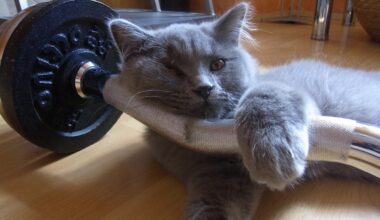

How Obesity Affects Cat Fitness and How to Prevent It
The rise in obesity among cats has become a pressing concern for pet owners and veterinarians alike. Obesity can significantly impact a cat’s fitness level and overall health. Obese cats often face numerous health issues, including diabetes and arthritis, which can greatly diminish their quality of life. Weight gain in felines is typically accelerated by a sedentary lifestyle, poor dietary choices, and genetic predispositions. It’s essential to acknowledge early warning signs of obesity in cats, such as a lack of energy, difficulty in grooming, and unresponsive behavior during playtime. By identifying these signs early, proactive measures can be taken to improve a cat’s fitness. Diet plays a crucial role in maintaining a healthy weight; thus, offering high-quality, portion-controlled meals can make a difference. Additionally, engaging your cat in regular play can boost its physical activity, aiding in weight management. Keep in mind that a gradual weight loss plan is necessary to avoid causing stress to your cat’s system. Adjustments can be made by consulting with a veterinarian, who can recommend a tailored approach to your cat’s needs.
The emotional consequences of cat obesity are often overlooked. Overweight cats may develop depression or anxiety due to their inability to engage in normal activities. Social interactions can also be affected; an obese cat may shy away from playdates, preferring isolation instead. This behavioral pattern can lead to a further decline in fitness. Mental stimulation is just as vital as physical activity for a cat’s overall wellbeing. Therefore, incorporating puzzle feeders or interactive toys is essential for keeping your cat engaged. Cats require both physical and cognitive challenges to maintain optimal health, and a lack of stimulation may exacerbate weight-related issues. Additionally, regular veterinary check-ups can help monitor your cat’s weight and general health, ensuring that intervention measures are effective. A support system among pet owners can also lead to adopting better practices for healthy living. Share tips, success stories, and resources to keep your journeys aligned toward achieving fitness goals for your furry friends. Remember that prevention is always better than treatment when it comes to obesity, so making healthier choices today can lead to happier lives for your cats.
Understanding the Nutritional Needs of Cats
Cats require a balanced diet to maintain optimal health and prevent obesity. A proper diet should focus on the right proportions of proteins, fats, and carbohydrates. Since cats are obligate carnivores, their diet should be mainly protein-rich, derived from high-quality animal sources. When selecting a cat food, always check the ingredient list and opt for products prioritizing real meat over fillers or artificial additives. Avoid feeding your cat human food, as many items can be toxic or contribute to excessive calorie intake. It’s essential to establish a feeding routine, providing meals at scheduled intervals rather than free-feeding throughout the day. Portion control is critical, and you might want to consider specializing in more nutritious dry and wet food options for varied texture experiences. Regular monitoring of food intake can help prevent unwanted weight gain. For every cat, specific calorie needs differ based on age, weight, and activity levels. Collaborating with a vet can help customize nutritional plans tailored specifically to your pet’s individual requirements. Adopting healthy feeding habits early in life increases the likelihood of maintaining appropriate body weight for the long term.
Physical activity plays a crucial role in maintaining a healthy weight for cats. Encouraging regular exercise helps combat obesity and maximizes fitness levels. Unlike dogs, most cats prefer shorter, more frequent bursts of energy rather than prolonged activities. Engage your cat in interactive play sessions using toys they enjoy, such as feather wands, laser pointers, or small balls. Each session should last around 10-15 minutes, allowing cats to expend energy naturally. Creating an active environment in your home is also beneficial; consider investing in cat trees, climbing shelves, and scratch posts. These structures provide vertical spaces to encourage climbing, which can promote fitness and agility. Additionally, you can incorporate aerobic exercises by changing the playtime routines and introducing structured games. With consistent efforts in physical activity, your cat will gradually shed excess weight while becoming more energetic and playful. Remember to monitor your cat’s response; if they appear fatigued or uninterested, try alternating activities to rekindle their enthusiasm. Consistent exercise routines help to strengthen muscles and improve overall joint function, which is essential for an aging cat’s mobility.
The Importance of Regular Veterinary Checkups
Regular veterinary visits play a pivotal role in understanding and managing your cat’s weight. Vets can provide insights into your cat’s ideal weight, evaluate overall health, and screen for obesity-related diseases. Schedule routine checkups, ideally once a year, and bring your cat for a thorough evaluation. During these visits, your veterinarian can assess not only weight but also body condition score, which helps determine if your cat is underweight, ideal weight, or overweight. Preventative health measures can greatly reduce the risk of obesity-related complications. Vaccinations and parasite control should also be emphasized during these visits. If your cat is already overweight, vigorous discussions about weight management will be necessary, encompassing dietary changes and increased exercise. Ultimately, regular vet visits ensure a long, healthy life for your feline friend. And don’t hesitate to ask questions regarding your cat’s diet or lifestyle changes. Your vet is an excellent resource, offering invaluable advice for promoting optimal health. Keeping communication open with your veterinarian is vital for successful long-term weight management.
Community awareness also promotes better cat fitness in general. Local shelters and veterinary practices can organize workshops or events focusing on feline health and fitness. Participating in cat fitness groups can encourage owners to share advice, tips, and stories about their cats’ journeys towards improved health. Utilizing social media platforms can amplify these community efforts and create networks focused on cat fitness awareness. Utilize hashtags or local community boards to reach fellow cat owners eager to participate and learn. Moreover, influential pet bloggers can provide additional resources and stories that motivate others to embrace healthier lifestyles for their cats. Bringing awareness can lead to collective efforts in combating obesity, safer cat spaces, and increased support networks for cat owners. Initiatives promoting nutrition education and fitness activities can extend from neighborhoods to online communities, creating even more extensive outreach strategies. Ultimately, collaborating with other cat lovers can inspire changes that become part of your and your cat’s routine. Establishing community-focused efforts offers new opportunities for learning and growing towards healthier alternatives.
Conclusion: Building a Healthier Future for Your Cat
The call to action for cat owners is clear: prioritize your cat’s fitness to ensure a long, healthy life. Address obesity prevention proactively by establishing a routine combining proper nutrition, regular exercise, and regular veterinary check-ups. Understanding your cat’s unique needs enables better decision-making for their overall health. The focus should not only be on managing their weight but also on improving their quality of life. Happy, active cats are beneficial companions, contributing immense joy and warmth to our homes. Create engaging activities and establish positive environments to facilitate their fitness. Every small change made today can significantly impact their tomorrow. Your feline friend deserves the best possible care, leading to a bond built on health, happiness, and companionship. As you embark on this journey, commit to lifelong responsibility and nurturing feedback towards optimal health. Creating a sustainable lifestyle for your cat ultimately sets a precedent for others in your community, leading to broader changes in cat fitness and wellbeing. Together, we can challenge ourselves and empower each other towards a healthier and more fulfilling life with our feline companions.