
Does Age Affect Jumping Behavior in Dogs?
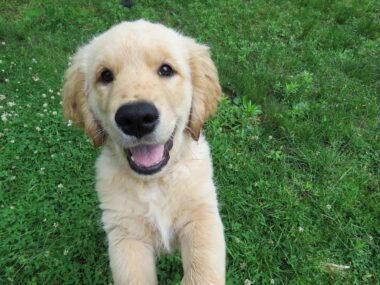
Understanding how age impacts jumping behavior in dogs is crucial for pet owners. Dogs of different ages exhibit varying levels of physical capability and temperament, influencing their jumping habits. Puppies, for example, possess a boundless supply of energy, which often translates into enthusiastic jumping. As they grow, their jumping behavior may shift based on their training and socialization. Adult dogs might jump in excitement or as a form of communication. Age can introduce changes in strength and flexibility, impacting how high and often they jump. Older dogs may show a decrease in jumping frequency due to arthritis or decreased energy levels. It is essential for owners to adapt their expectations according to their dog’s age and understand that variations in jumping behavior are typical. Providing appropriate training and exercise for each life stage is essential in fostering healthy jumping habits. Recognizing these nuances also helps prevent potential injuries. Ultimately, maintaining a balance between physical activity and relaxation can enhance a dog’s overall well-being regardless of age. Consider seeking professional guidance if you are unsure how to best manage your dog’s jumping habits based on their age.
The reasons behind jumping behavior in dogs are multifaceted, influenced by factors like excitement, stress, or a desire for attention. Young dogs often display exuberant jumping as a natural method of expressing happiness. They learn this behavior during their formative years through social interactions with their littermates and human companions. However, as they reach maturity, dogs may lessen their jumping frequency if not encouraged or conditioned otherwise. Training methods vary, but consistent reinforcement can lead to desirable jumping behavior adaptations. For instance, teaching commands like ‘down’ or ‘sit’ can redirect their energy positively. As age progresses, physical limitations can impact jumping ability significantly. Older dogs may require gradual adaptations in training or activities to minimize strain on their joints and bodies. Additionally, environmental factors and individual dog temperaments play a role in their propensity to jump. By observing a dog’s unique behavior, owners can tailor their approach to bridging the gap between the dog’s capabilities and expectations. Ultimately, patience, training, and understanding are vital for ensuring that dogs maintain healthy jumping habits throughout their lives.
Common Jumping Patterns in Dogs
Dogs typically display a variety of jumping behaviors based on their environment and experiences. Jumping can be categorized into several types: excitement jumps, greeting jumps, and defensive jumps. Puppies, due to their exuberant nature, often demonstrate excitement jumps when they see their owners. This type of jumping usually happens when they’re thrilled to greet someone, showcasing their overwhelming joy. Adult dogs might continue this pattern, although the behavior may manifest differently depending on training. Greeting jumps can be adjusted with proper commands and reinforcement, teaching the dog to remain grounded. Defensive jumps occur occasionally as a reaction to perceived threats or attention from other dogs, revealing a need for personal space. As dogs age, they might shift from frequent jumping to more moderate behaviors, indicating changes in their energy levels and social interaction methods. Caring for a dog’s jumping behavior involves understanding these patterns, along with identifying the influence of age. Owners should monitor jumping trajectories to ensure safety, especially in older pets that may experience joint pain or decreased confidence in their movements over time.
Environmental factors play a crucial role in shaping a dog’s jumping behavior. The context in which a dog operates significantly influences their likelihood to jump. Dogs living in smaller homes or apartments may have limited space to exhibit their jumping potential compared to those in open areas or backyards. Access to outdoor spaces allows dogs the freedom to explore and exercise, which may foster their jumping habits. Additionally, the presence of new stimuli, such as other animals or people, can trigger or heighten a dog’s jumping tendency due to excitement or anxiety. Social interactions and experiences with other dogs can also affect how and when they jump. Training outdoors may yield differing behaviors than training indoors, where distractions may vary significantly. It’s essential for dog owners to recognize their pet’s environment and consider how it shapes their jumping behavior. Building structured routines around jumping in various settings can help ensure safe and controlled jumping practices. Gradually introducing young dogs to diverse environments assists in developing appropriate jumping responses. By understanding these dynamics, potential behavioral issues related to jumping can be proactively addressed. Owners play a pivotal role in shaping their dog’s habits through careful management.
The Impact of Training on Jumping Behavior
Training is an influential factor in determining a dog’s jumping behavior across different ages. Effective training techniques can significantly modify how a dog interacts with its environment, particularly around jumping. Early training, introduced during a puppy’s development stage, can lead to long-term positive behaviors. Simple commands such as ‘sit’ and ‘stay’ can curb excessive jumping habits rooted in excitement or anxiety. It’s essential to employ consistent training methods and reinforce positive behavior through rewards like treats or praise. As dogs mature, revisiting these training techniques can help adapt their jumping behavior to match their physical capabilities. Elderly dogs may require gentle retraining to avoid strain on their joints. Moreover, if a dog is exposed to negative experiences while jumping, like being reprimanded too harshly, it may develop anxiety-related jumping, reflecting underlying stress. Thus, the tone and approach of the owner in training immensely affect the outcomes. Continuously reinforcing appropriate jumping behavior can foster a better relationship between dogs and their owners. Emphasis on positive reinforcement throughout their development will ultimately support healthy jumping habits, improving their overall well-being as they transition through life stages.
Physical health is a significant determinant of a dog’s jumping behavior, directly tied to their age and activity level. Canine age correlates strongly with physical ability; young dogs are typically more agile and capable of jumping higher and more often. Factors such as diet, weight, and overall fitness also contribute significantly to their jumping variations. Maintaining an appropriate weight is crucial to enable healthy jumping mechanics. Obesity can lead to substantial reductions in mobility, causing older dogs to jump less frequently or not at all. Nutritional considerations play an essential role in a dog’s energy levels, directly impacting their willingness to jump. Proper management of food portions and ensuring adequate exercise contributes to overall vitality and fitness. Additionally, ensuring dogs receive regular veterinary check-ups is vital, especially with older dogs susceptible to health problems that can affect their ability to jump. This preventive approach helps identify health issues early on, ensuring dogs receive proper care throughout their lives. Consequently, physical health intertwined with age considerably influences jumping behavior. Owners should prioritize their dog’s physical well-being to cultivate a happy, active life, which encourages healthy jumping and interactions within their environment.
Conclusion: Balancing Behavior as Dogs Age
As dogs grow older, their jumping behavior often evolves, reflecting changes in their physical capabilities and health status. Understanding this natural progression allows owners to manage expectations and create appropriate training environments. By recognizing the unique circumstances surrounding age and individual health factors, dog owners can implement strategies that respect their canine companions’ limitations. Adaptations in training and lifestyle are critical in supporting healthy jumping habits throughout a dog’s life span. For young and energetic dogs, providing ample opportunities for safe jumping within manageable parameters can foster positive behaviors. Conversely, for older dogs, focus should shift to preserving joint health and encouraging gentle movements. Regular observation of a dog’s physical condition is essential in determining when to modify activities to prevent potential injury. Engaging with a veterinarian or professional trainer can provide valuable insights into personalized strategies that accommodate age changes. Facilitating a balance between energy levels and safety ultimately enhances the owner’s relationship with their beloved pets. Staying proactive in understanding age-related behavior shifts helps in fostering an environment where dogs can thrive regardless of their developmental stage, ensuring they are both active and comfortable.
In conclusion, the intricate relationship between a dog’s age and its jumping behavior showcases the need for attentive care. Each stage of a dog’s life requires different considerations towards their jumping habits. As dogs transition through age brackets, owners should be mindful of shifting energy levels, health, and temperament changes. Engaging in positive reinforcement training methods, alongside maintaining physical health, creates a supportive environment for dogs. By fostering healthy jumping practices, owners not only promote physical fitness but also improve mental stimulation and bonding. It is crucial to adapt expectations and exercises according to the individual needs of the dog. As excitement, stress, and communication factors influence their tendencies, understanding these elements aids in shaping appropriate behaviors. Tailoring these insights into day-to-day routines creates a comfortable lifestyle for dogs, regardless of their ages. Additionally, family dynamics and environments play into how dogs behave. Owners should strive to offer adaptive solutions for their dog’s unique needs, ensuring their furry companions lead fulfilling lives. Encouragement and support at every stage of a dog’s life promote healthy interaction, strengthening the bond shared with them as cherished family members.