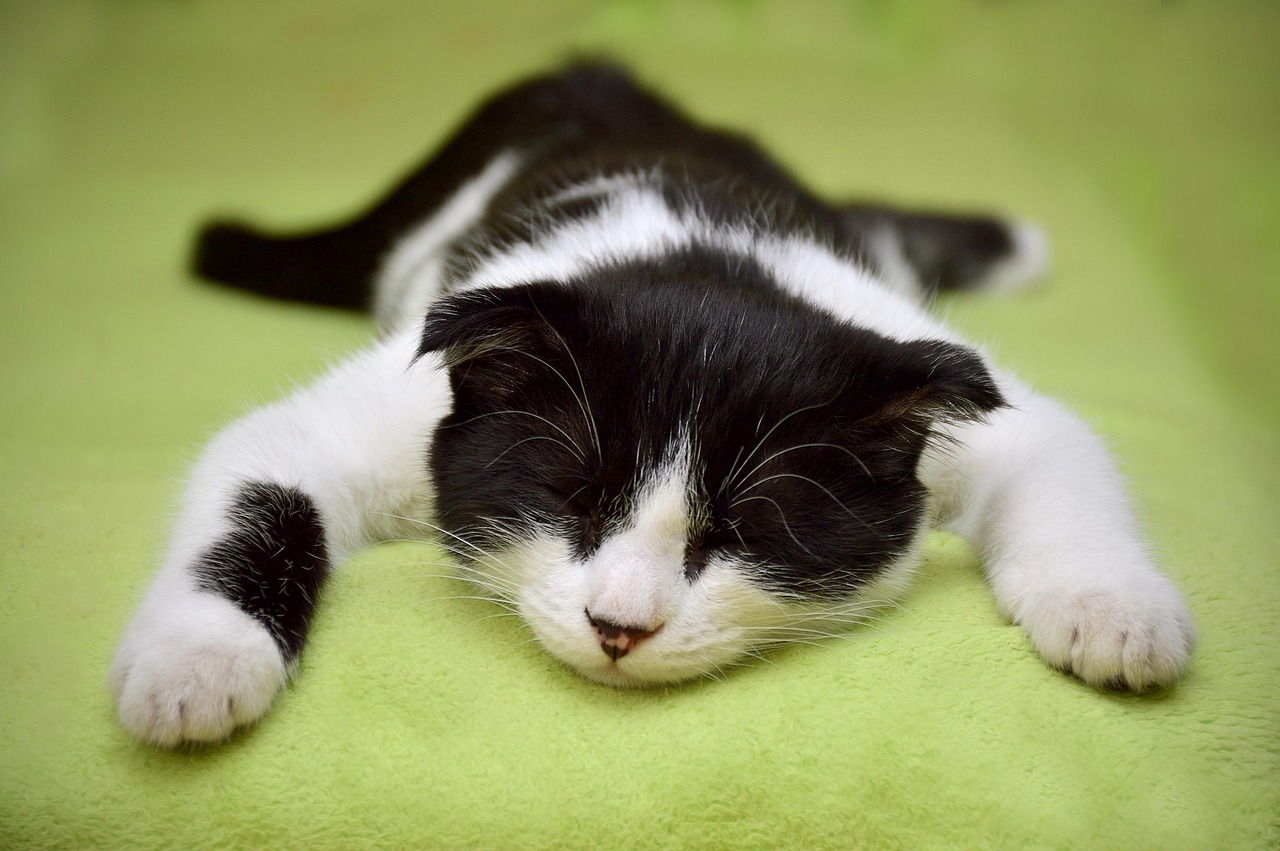

How to Encourage Your Cat to Use Designated Resting Spots
When it comes to cat ownership, creating a suitable environment for your feline friend is vital. One of the fundamental aspects of this environment is the availability of designated resting spots. Cats are naturally drawn to areas where they feel safe, cozy, and relaxed. Thus, selecting appropriate spots that encourage your cat to lounge will greatly benefit their overall well-being. Consider placing resting spots near windows where they can observe nature or in quiet corners where they can retreat from household activity. Utilizing soft bedding or specialized cat beds can enhance these areas as comfortable options. Additionally, keeping the spots clean will encourage your cat to return. Regularly wash blankets and cushions in these areas to maintain a fresh atmosphere. Pay attention to your cat’s preferences regarding height levels; some cats enjoy elevated spots while others prefer lower surfaces. Create an environment tailored to your cat’s unique needs to foster their comfort. Ultimately, by understanding and catering to your cat’s instinctual behaviors, you can successfully encourage them to use designated napping areas, enhancing their overall happiness and health.
Another essential factor in motivating your cat to use designated resting spots is to integrate their natural instincts. Cats are hunters by nature, and their resting habits are influenced by their ancestral behaviors. Thus, providing vertical spaces such as shelves or cat trees can stimulate their interest while meeting their need for elevation and security. Cats love to observe their surroundings from a high point, which provides them with a sense of safety. Reinforcing their resting parameters can be achieved by placing these structures strategically within your living space. Consider using catnip-infused toys in resting areas to make these spots much more alluring. This not only attracts your cat’s attention but also encourages them to associate these designated spots with positive experiences. Employing soft, familiar scents in bedding also plays a significant role in making areas feel inviting. Therefore, if your cat has a favorite blanket or a piece of your clothing, incorporating these items into their resting spaces will assist in promoting relaxation and tranquility. This combination of instinctive design and sensory enhancement will foster your cat’s affinity for their chosen resting spots.
Consistency is vital when encouraging your cat to use designated resting spots. Cats are creatures of habit, and developing a routine can significantly encourage their adoption of specific areas for napping. An effective method is establishing a daily schedule that promotes quiet time, allowing your cat to recognize these spots as their go-to places for rest. You may also create an inviting environment by dimming lights or playing relaxing music during napping hours. Cats appreciate a calm atmosphere, which lowers their stress levels and encourages relaxation in their designated areas. Every interaction you have with your cat contributes to their habits, so consider rewarding them with treats or affection when they gravitate towards their new resting spots. Positive reinforcement will create an association of comfort and safety with these areas, making them more likely to return in the future. Remember that sometimes it might take time for your cat to fully adopt new spots. Being patient and observing their preferences, as well as adjusting your strategy accordingly, is essential to their eventual success in transitioning. Over time, these measures will help solidify their fondness for designated resting areas.
Another crucial consideration in this process is evaluating the location of the designated resting spots in your home. Cats often prefer secluded areas that provide security and quiet, allowing them to feel at ease while they rest. Placing their beds or resting spots in high-traffic areas can deter them from using them altogether. Instead, consider selecting discrete corners, such as behind furniture, or creating cozy enclaves that give them a sense of privacy. Explore the idea of integrating soft pillows or blankets that cater to their preferences for texture and warmth. You may also consider using soft lighting, which can create a comforting ambiance in these areas. Moreover, keeping their designated locations away from loud appliances or bustling household activities will ensure they feel comfortable enough to rest. Ensure you regularly assess these locations to determine if they remain suited to your cat’s evolving comfort zones. Close attention will help you adapt their resting spots as needed over time, maintaining a tranquil and inviting environment. By consistently evaluating their placement and comfort levels, you can ensure your cat enjoys their dedicated resting spots.
The Role of Interactive Play in Resting Spot Adoption
Engaging your cat in interactive play also positively influences their acceptance of designated resting spots. Regular playtime exercises not only fulfill your cat’s physical needs but establishes a routine that promotes rest afterward. Activities that simulate hunting instincts, such as using feather wands or laser pointers, can promote mental stimulation and excitement. Following an active play session, your cat will seek a place to unwind and recuperate, ideally leading them to their designated spots. By positioning their resting areas nearby, you create an inviting atmosphere for relaxation after an energetic playtime. Establishing a consistent play and rest routine aids your cat in associating these locations with post-activity rest. Additionally, following a play routine allows you to observe their preferences accurately, enabling you to tailor each resting spot accordingly. Consider adjusting bedding types or blanket placements close to their favorite play zones for optimal appeal. Remember, keeping your cat engaged through regular play invites them to appreciate their resting areas even more. With time, dedication, and stimulation, they’ll naturally gravitate toward their designated napping locations when it’s time to rest.
A vital aspect of fostering a positive association with designated resting spots is ensuring the surrounding area is appealing and comfortable. An inviting environment plays a significant role in encouraging your cat to relax in these designated spots. Incorporate plush cat blankets and soft cushions that cater to their comfort needs. Cats enjoy warmth and coziness while they nap, so consider selecting bedding materials that reflect pleasing textures to your feline friend. Further enhance these areas by utilizing blankets that hold your scent. This familiarity can reassure your cat of safety and comfort, promoting their willingness to snuggle in these designated spots. It’s essential to make the environment around resting areas interesting and stimulating as well. You can add interactive elements like small cat toys or scratching posts nearby that invite engagement and exploration. This allows your cat the opportunity to alternate between play and rest, ensuring they see their designated areas as a crucial part of their daily experience. By combining comfort, warmth, and stimulation, you provide the ideal foundation for your cat to appreciate and regularly use their designated resting spots.
Lastly, monitor your cat’s behavior during the transition period to encourage their adaptation to these designated resting spots. Every cat possesses unique personalities and preferences, making it essential to personalize your approach based on their specific needs. Watch for signs that indicate comfort or discomfort in their resting areas. If your cat frequents an alternate spot instead, it may signal their desire for a different texture or location. Be adaptive and willing to experiment with different bedding materials, positioning, or accessories until you find the right combination that resonates with your cat’s preferences. Additionally, ensuring your designated spots are free from disturbances, such as other pets or loud noises, is vital to help them feel secure and relaxed while napping. Creating a peaceful, quiet environment is paramount in encouraging your cat to use these designated areas without reservation. By observing and adapting to their behaviors, you can ultimately create the ideal resting spots that cater to their likes, leading to a successful adoption of the napping spots you’ve designated.