
Maintaining Freshness in Enclosed Cat Houses
Keeping your enclosed cat house fresh and clean is essential for both the health of your pet and the overall atmosphere of your home. Cats, by nature, can be quite particular about their surroundings, and stale odors or dirt may deter them from spending time in their space. To maintain freshness, begin by regularly removing litter and debris, using a scoop specifically designed for this purpose. After cleaning, use a solution of mild soap and water to wipe down surfaces, which can help eliminate odors. Additionally, consider using unscented cleaning supplies, as some strong fragrances may bother sensitive cat noses. Ensure that bedding materials are washable, as these can trap odors too. Switching out bedding regularly will contribute to the freshness of the area as well. Do remember to allow your cat to explore the space post-cleaning, as they appreciate a freshly maintained environment. If you notice persistent odors, evaluate the cleaning frequency or consider using an air purifier designed for pet owners. Such purifiers can help neutralize harmful odors and vastly improve the overall environment of your cat house.
Ensuring proper ventilation is critical when it comes to maintaining an enclosed cat house. Fresh air reduces odors and moisture, creating a healthier environment. Position the cat house in an area with good airflow, avoiding damp or poorly ventilated places like basements. If you can, invest in a cat house that has built-in ventilation systems, which can help to circulate air effectively. During warmer months, keeping windows open can greatly assist in air circulation. For colder seasons, ensure that the cat house remains dry and warm while still ensuring some degree of ventilation. This balance is crucial—while you want fresh air, you don’t want your cat to catch a chill. Incorporating natural materials like untreated wood or fabrics can also play a role in promoting air circulation while being safe for your pets. Regular inspections for moisture or mold can alert you to any ventilation issues that may need addressing. When any build-up is noticed, clean it immediately to prevent further problems. This proactive approach will help you ensure that your cat remains comfortable and hygiene standards are maintained in their living space.
Regular Inspection and Maintenance
Regular inspections of your enclosed cat house are key to maintaining cleanliness and freshness. With any pet environment, dirt, pollen, and even pests can accumulate over time. By conducting weekly checks for signs of wear and tear, such as loose materials or soiled spots, you can preemptively address any issues. Look for signs of pests, like fur or droppings, to address these concerns immediately. Cleaning should not be merely a cosmetic endeavor; it is about ensuring a safe and healthy space for your cat. Take the time to inspect not just the visible areas, but also the hidden spots that your cat might frequent. Often, cats will have their favorite corners or hideaways that require special attention. Don’t forget to check the toys and scratching posts, as these can trap dirt and odors. Regularly throwing toys in the wash will not only refresh them but also make your cat feel more enthusiastic about playtime. Calibrate your maintenance routine according to the season, as the types of debris that collect may change. Ultimately, a vigilant inspection regime helps keep your cat house fresh, safe, and a favorite spot for your feline friend.
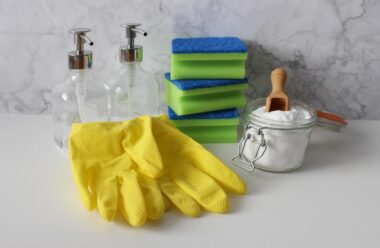
Incorporating natural odor absorbers can greatly improve the freshness of your cat house. Baking soda is a powerful and safe substance that can be used to eliminate odors naturally. Sprinkle it lightly in the area and let it sit for a few hours, then vacuum the residue for instant freshness. Another option is activated charcoal, which can absorb moisture and odors without releasing harmful chemicals. Place these absorbers in strategic locations in the cat house to maximize their effectiveness. Additionally, the use of safe houseplants can also enhance air quality. Plants such as spider plants and Boston ferns not only help purify the air but are safe for pets. However, always double-check that any plant you choose is indeed cat-friendly. A combination of natural cleaners and absorbers will create an inviting and pleasant environment for both you and your feline. Furthermore, avoid using synthetic fragrances that may irritate your cat; they usually prefer a neutral environment. Ensure your cleaning agents are safe, as chemical residues can impact your cat’s health and well-being. A holistic approach enables you to maintain freshness while being cautious about your pet’s needs.
Choosing the Right Bedding and Accessories
Bedding materials play a significant role in maintaining cleanliness in your cat house. Opt for bedding that is machine washable, as this makes it easy to keep fresh without much effort. Materials such as fleece or microfiber are great choices, as they are soft for your cat and resistant to odors. Be sure to rotate or change out bedding regularly to prevent build-up. Beyond bedding, consider the accessories you place within the cat house. Cat toys should be washable, and scratching posts should be easy to vacuum or wipe down. Regularly assess these items for any wear, dirt, or odors. If you find that any toy or accessory retains an odor despite cleaning, it may be time to replace it. My cat prefers items made from natural materials, which emphasizes their comfort and well-being. Furthermore, consider the layout and design of the cat house itself; furniture that allows air to flow beneath will not only aid freshness but also enhance your cat’s enjoyment of its territory. Stay vigilant in selecting quality materials to promote a hygienic and alluring environment for your beloved feline.
Utilizing cleaning routines can help ensure you maintain freshness in your enclosed cat house. Developing a schedule for cleaning activities will not only make it effective but also easier to stick to over time. For example, designate specific days for deep cleaning versus quick touch-ups. On days intended for deep cleaning, include washing the bedding and thoroughly scrubbing surfaces. Quick touch-ups may involve sweeping or vacuuming daily to remove hair and dirt. Invest in appropriate cleaning tools, such as lint rollers and handheld vacuums, that can assist in making the process more efficient. Additionally, it is beneficial to involve your family in this regular upkeep. Teaching everyone how to properly maintain a clean cat house benefits your cat and enhances responsibility as well. Consider creating checklists that the family can refer to when performing specific tasks, which brings structure and makes the responsibilities clearer. Celebrate milestones regularly when the cleaning is well-maintained, giving a sense of achievement for the effort put in. Through this collaborative effort, you maintain an inviting atmosphere that will satisfy both you and your feline resident, reflecting a consistently cared-for environment.
Involving Your Cat in the Cleaning Process
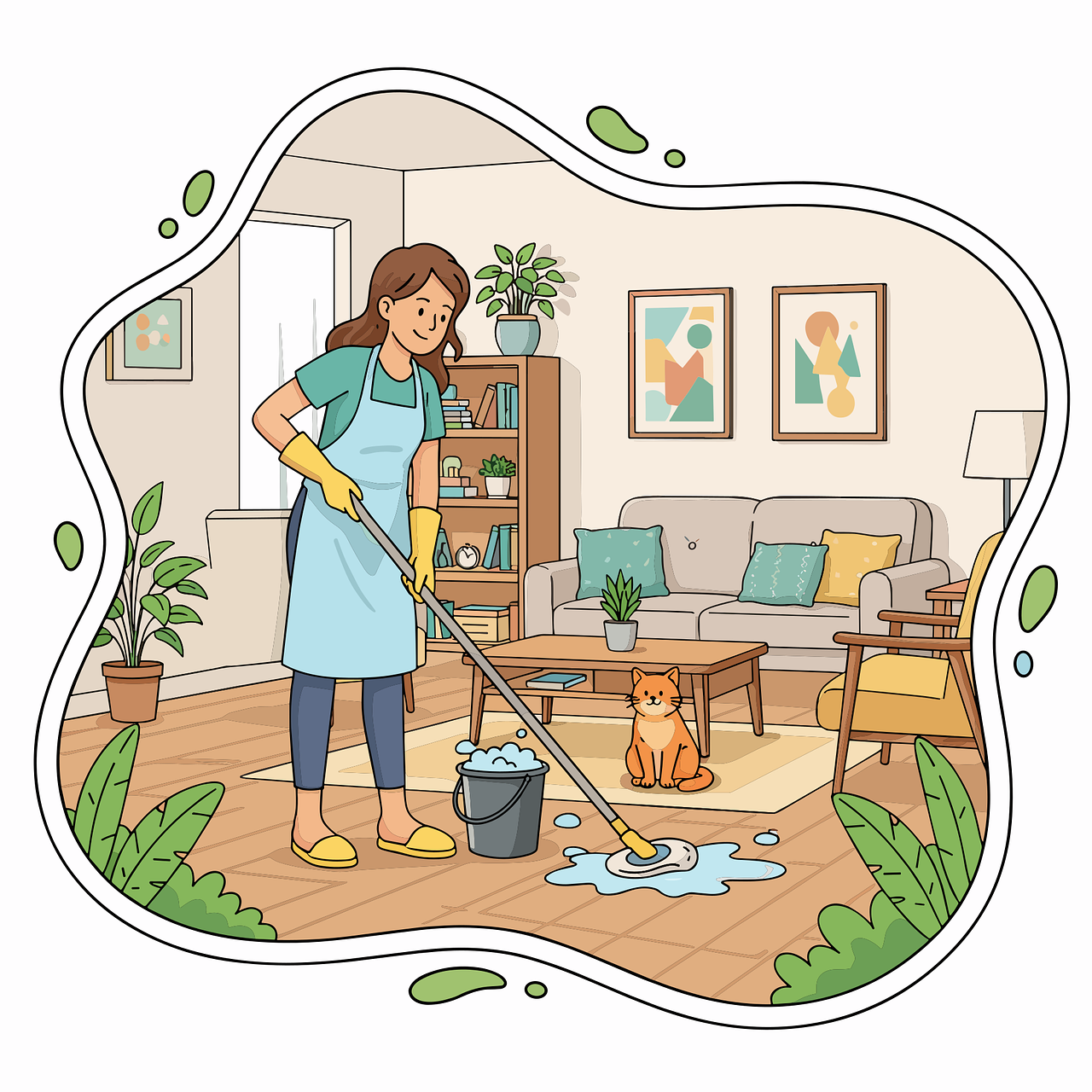
Involving your cat during cleaning routines can be both engaging for your pet and beneficial for you. Cats have a natural curiosity and watching you attend to their domain can pique their interest. Allowing a few minutes for your cat to explore after you’ve cleaned will encourage bonding. During cleaning, you might notice your cat becoming attached to certain areas that deserve more attention. Keep an eye out for their favorite spots while you clean, which could provide insight into where dirt accumulates quicker. Additionally, using feather dusters or other cleaning tools might even create a playful atmosphere. Just engaging in routine cleaning can be a way to bond, making it feel less like a chore. If your cat appears overwhelmed, consider allowing them to retreat to another safe area while you work. Understanding your cat’s reactions can help tailor cleaning efforts in a manner that is not disruptive or stressful. Ultimately, a cat that feels involved in their cleaning process tends to appreciate their environment even more, leading to a harmonious balance of cleanliness and comfort.
Finally, understanding the importance of seasonal cleaning can help keep your cat house fresh throughout the year. Each season brings unique challenges to cleanliness, from shedding fur in spring to dirt tracked in by little paws during rain or snow. Anticipate these seasonal changes and incorporate them into your cleaning routine. For instance, during the spring, ensure you have a solid plan for dealing with shedding, which may include more frequent grooming sessions for your cat. As winter approaches, provide extra warmth in their house while ensuring no moisture build-up occurs. Use better weatherproofing tactics to protect against the elements, keeping your cat’s space dry and clean. Evaluate the necessity of additional rugs or blankets to make the space cozier during cooler months. A proactive mindset focusing on these fluctuations can significantly enhance your cat’s well-being and the hygiene of their environment. Creating a checklist that corresponds to each season can be an engaging way to maintain attention to detail. This approach allows for a thorough understanding of what is needed throughout the changing weather, ensuring your cat enjoys freshness regardless of the season.