
How to Calm a Tangled Dog During Grooming Sessions
Grooming your dog is an essential part of their routine, especially when it comes to managing matting and tangles in their fur. Many dogs may become anxious or stressed during grooming sessions, particularly when confronted with uncomfortable tangles. To make this process smoother for both you and your furry friend, it is crucial to approach the task with patience and care. Start by creating a calming environment, free from distractions. This can help your dog feel more at ease during the grooming. Have your grooming tools ready, ensuring they are suitable for your dog’s fur type. You might consider using detangling sprays or conditioner specifically designed for dogs to assist in loosening the knots. Always begin grooming when your dog is calm. If they start to squirm or become disturbed, take a break and comfort them. Remember, your demeanor greatly influences your pet’s comfort. Speaking softly and using gentle movements can work wonders in making the grooming experience more pleasant for both of you. You’ll likely find that with these approaches, your dog will grow to accept grooming as a routine part of their life.
Before diving into grooming, take a moment to familiarize your dog with the tools you intend to use. This can help them feel less apprehensive about the grooming process. Allow your dog to sniff each tool, and offer treats while doing so. Desensitizing them to the tools can alleviate their anxiety. Start with the less intimidating grooming equipment and then gradually introduce the more involved tools. The choice of the right brush is crucial for this step. There are various types of brushes available, including slicker brushes, combs, and bristle brushes, each suited to particular fur types. For curly or long-haired breeds, a slicker brush can efficiently break down tangles. Incorporate gentle brushing techniques, using short strokes to reduce pulling on the skin, which can cause discomfort. Your goal is to eliminate tangles without exacerbating the situation. If you encounter stubborn mats, use a dematting tool carefully to avoid causing pain to your dog. Always remain soothing and encouraging as you work through the tangles, which will reassure your dog during the process.
Positive Reinforcement Techniques
Utilizing positive reinforcement is essential during grooming sessions. This technique promotes a more enjoyable experience for your dog while simultaneously helping them associate grooming with pleasant outcomes. Consider employing treats, verbal praise, or their favorite toy as rewards for their cooperation. By rewarding your dog for sitting still or allowing you to groom them, you’re reinforcing their good behavior. Keep treats nearby and offer them frequently to maintain motivation. This approach not only calms your dog but also encourages them to trust you during grooming. Always avoid punishment, as this can lead to a negative association with grooming and possible anxiety in the future. The key is to build a positive relationship with grooming over time, making it a ritual both you and your dog look forward to. As your dog becomes more accustomed to the process, gradually reduce the frequency of treats, allowing the praise to serve as a reinforcement on its own. Your patience will pay off, resulting in a less tangled and happier dog.
Creating a soothing atmosphere during grooming sessions can significantly reduce your dog’s stress levels. Consider placing your dog in a comfortable spot, like their bed or a quiet room, where they feel secure. You might also play calming music that helps create a serene environment. A gentle touch can also be reassuring; petting your dog softly before you begin grooming can help them relax. Additionally, consider using a pheromone spray or diffuser specifically designed for dogs, as these can alleviate anxiety by mimicking a calming scent from their mother. Using a non-slip mat can further enhance your dog’s comfort and prevent any sudden movements that could lead to injury or more tangles. As you work, pay attention to their body language; if they start to show signs of distress, pause and offer additional reassurance. By focusing on maintaining a relaxed atmosphere, you empower your dog to feel more secure and calm, which can make a substantial difference in the overall grooming experience.
Techniques for Dealing with Tangles
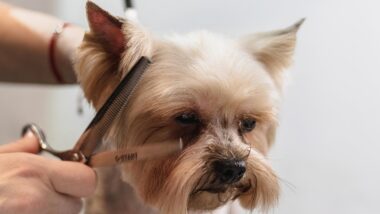
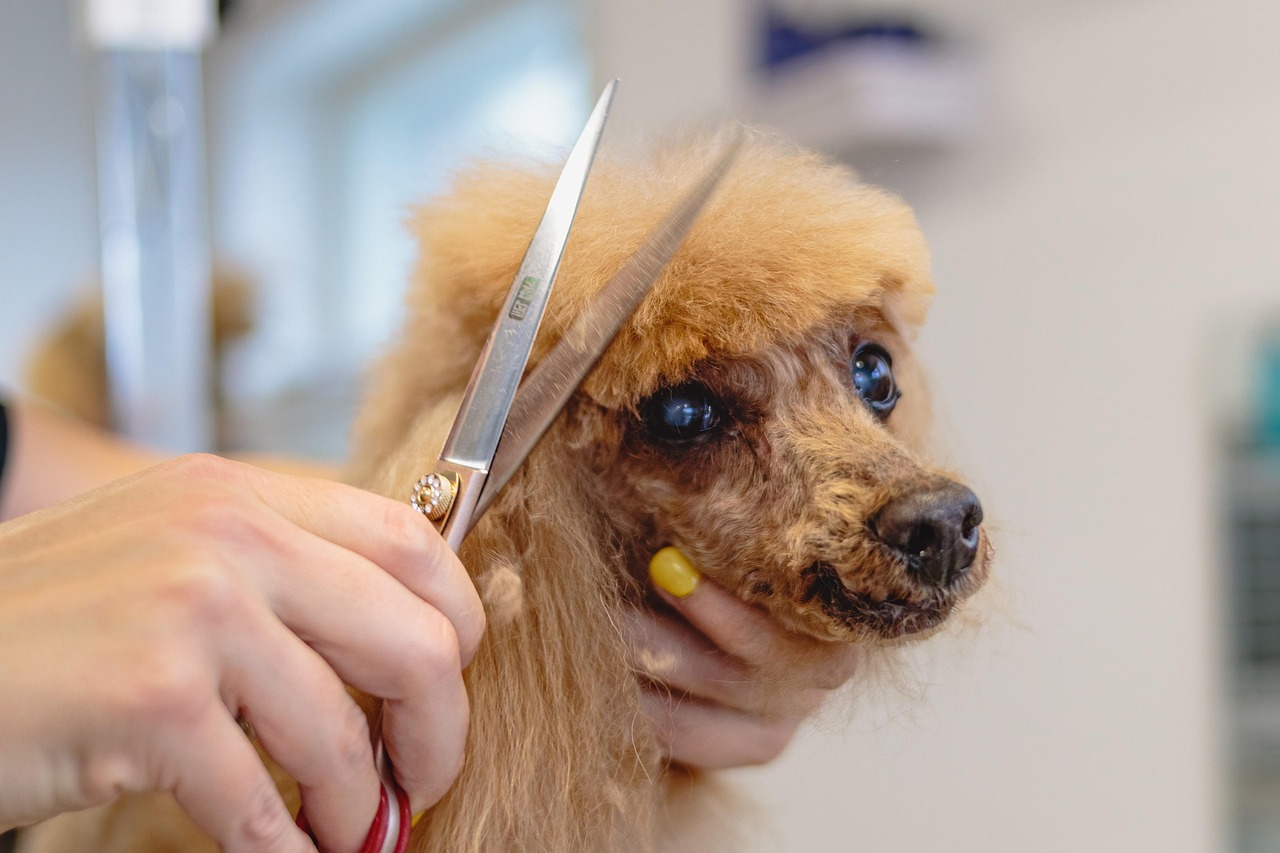
When faced with a tangled coat, adopting the right techniques is crucial for a successful grooming session. Start by sectioning the fur into smaller manageable portions. Utilize a comb to carefully work through the knots, beginning at the ends and gradually moving towards the roots. This method minimizes pulling and discomfort. If a tangle proves particularly stubborn, consider applying a detangling spray or conditioner that is suitable for your pet’s fur type. Allow the product to sit for a few moments, then return to the tangle and work through it using your fingers and the comb. If necessary, a pair of blunt-end scissors can be used, but always exercise caution to avoid injuring your dog. Focusing on one small area at a time prevents your dog from becoming overwhelmed by the grooming process. Take breaks frequently to allow your dog to relax and regain composure. By nurturing a patient approach and employing effective techniques, you can alleviate many of the challenges associated with tangles.
Regular grooming is a preventative measure that can help mitigate matting and tangles. Establish a grooming schedule based on your dog’s breed and coat length. For long-haired breeds, weekly grooming sessions may be necessary to keep their fur healthy and tangle-free. Routine grooming can significantly reduce the buildup of mats, minimizing the stress during each grooming session. During your grooming sessions, check their coat for any potential matting issues, addressing them promptly before they escalate. This proactive approach assists in maintaining a neat and tidy appearance while also preserving your dog’s skin health. Additionally, consider attempting the ‘brush and play’ technique, which involves introducing fun into the grooming process. Allow your dog to play with their toys in between brushing to keep them engaged. The inclusion of play can transform a potentially intimidating experience into an enjoyable bonding time, reinforcing the idea that grooming is a positive encounter, which will pay off as your dog starts to understand the benefits of a well-groomed coat.
Post-Grooming Care
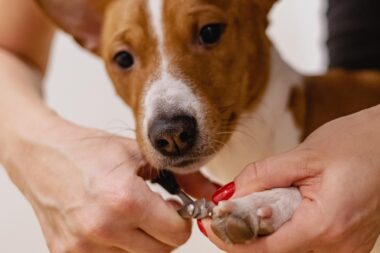
After successfully grooming your dog, it is essential to provide aftercare that reinforces the positive grooming experience. Ensure to offer plenty of praise and treats immediately following the session to build their confidence and create a successful connotation with grooming. A good bath or a relaxing rubdown can also help them transition back into their daily routine smoothly. Inspect your dog’s skin after grooming to ensure there are no irritations or any signs of discomfort. This is also a good opportunity to check their ears, nails, and teeth, addressing any grooming needs in those areas too. Providing comfort through warm blankets or a favorite toy can help them realize that grooming is followed by special rewards. Pay attention to how your dog reacts afterward; if they seem particularly agitated or aloof, consider reviewing your grooming techniques for future improvement. Lastly, always finish with love and attention, reinforcing that grooming is solely a part of their care and wellbeing.
In conclusion, managing matting and tangles during dog grooming can be a smooth process with the right techniques and a calm approach. Remember to prioritize your dog’s comfort, establish a positive atmosphere, and utilize gentle grooming methods. Through regular sessions, positive reinforcement, and creating a soothing environment, you can diminish your dog’s anxiety and enhance their grooming experience. Patience is key, as both you and your dog will grow more adept at handling tangles over time. If you find yourself struggling, don’t hesitate to seek professional help. Dog groomers are trained to handle the most challenging mats and tangles with expertise. Ultimately, your bond with your dog will strengthen as you navigate these grooming challenges together, making every session a chance to connect. So equip yourself with the right tools, maintain a tranquil environment, and approach every grooming session positively. Your dog will likely appreciate the effort, leading to a well-groomed and comfortable companion who looks forward to their grooming time, ultimately reducing the chances of matting in the future.