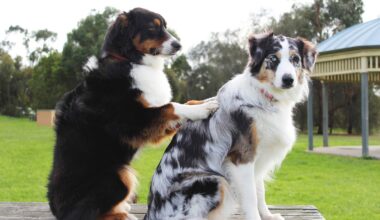
Collie Training 101: Basic Commands and Tips
Training your Collie can be a rewarding experience, both for you and your furry friend. It is essential to establish a routine and to be consistent. Start with simple commands such as sit, stay, and come. These foundational commands are great for building discipline and awareness. Use positive reinforcement techniques, rewarding your dog with treats or praise for completing tasks. This helps in creating an enjoyable environment for both of you. Collies are intelligent and responsive, making them easier to train compared to other breeds. It’s recommended to keep training sessions short, ideally around 10 to 15 minutes. This ensures that your Collie stays focused and engaged without becoming overwhelmed. Patience is vital during training; some commands may take longer for your dog to master. Regular practice should be paired with socialization for a well-rounded dog. Introduce your Collie to different environments and people. Consistency and socialization together foster a confident and obedient dog. Ensure to communicate clearly, and enjoy this strengthening bond through learning.
One essential tip for training your Collie is to establish a strong basis of trust. Your dog should feel safe and secure in their environment. Building trust can be accomplished through positive experiences together. Regular playtime and bonding activities can help strengthen this bond. Furthermore, clarity in communication is crucial when teaching commands. Use specific words or signals consistently for each command. For instance, always say sit when you want your dog to sit down. Repetition is key; dogs learn by associating words with actions. Incorporate fun into your training sessions to keep your Collie motivated. The more enjoyable the sessions are, the more likely your dog will want to participate. Utilize toys or games as incentives during training. Another effective method is learning through games like fetch. This not only keeps your Collie active but also provides mental stimulation. Setting a routine helps keep your training sessions regular and predictable. A balanced approach, combining discipline and fun, leads to a successful training experience for both of you. Remember, consistency is the bridge to success in any training endeavor.
Understanding Basic Commands
When teaching essential commands, start with sit. To initiate this, hold a treat near your dog’s nose and move it upwards. This action encourages them to lower their bottom, naturally leading to a sitting position. Once seated, reward immediately, reinforcing positive behavior. The second command is stay. After getting your Collie to sit, open your palm towards them, saying stay. Gradually increase the distance and duration before rewarding them for staying. Consistency here is key; practice daily to reinforce command recognition. Next is the come command, which can be vital for safety. Use a long leash to ensure control, and as they begin to wander, call them using your designated command. Once they come, reward with praise and treats. Teaching down involves guiding your dog into a lying position using a treat or hand signal. Use gentle pressure on their back and correct them with calm words if they resist. Practicing these basic commands is the foundation for more advanced skills. Implementing these consistently helps your Collie understand expectations clearly.
Socialization is another crucial aspect of successful Collie training. Allow your dog to engage with other dogs and people in various environments. Early interactions lead to well-adjusted behavior, preventing anxiety or aggression later. Aim to expose your Collie to different sounds, sights, and experiences, preferably before they reach 16 weeks old. This exposure creates confidence and ease in new situations. Start with small groups of friendly dogs, progressing to larger gatherings. Always monitor interactions, ensuring they remain positive. Negative experiences can hinder social development. Along with structured play, consider visiting dog parks for an array of experiences. Ensure your Collie understands basic commands before venturing into social settings, as this aids communication during interactions. Group training classes can also be beneficial, providing an environment for socialization while reinforcing commands. Additionally, make outings a regular part of your routine; trips to pet stores or local markets can help. The more diverse experiences your Collie has, the more adaptable they will become. Ultimately, successful socialization complements training, producing a balanced and happy dog.
Effective Training Tools
To assist in the training process, utilizing effective tools can significantly help. Invest in a quality collar or harness suitable for Collies; a comfortable fit is essential. Adjustable harnesses often distribute pressure more evenly, reducing discomfort during walks. Leashes of various lengths can also be helpful, especially in training environments. A standard 6-foot leash is perfect for basic commands, while a longer leash may offer more freedom during practice sessions. Clicker training is another excellent method to consider. Clickers provide a clear signal that helps your dog understand when they have mastered a command. When paired with treats, clickers can rapidly increase learning capability. Additionally, treat pouch bags can help keep treats handy while training, promoting easy access during sessions. Of course, always ensure treats are healthy and suitable for your Collie’s diet. Invest time in researching positive reinforcement training tools and methods to enhance your approach. The right tools paired with dedication can lead to successful training sessions, ensuring enjoyable experiences for both you and your Collie.
Ensuring a consistent training schedule will aid significantly in the learning process. Engage in brief training sessions daily, lasting between 10 to 15 minutes. Consistency in timing helps reinforce learning; utilize mornings or evenings for structured training opportunities. Weekly progress checks may assist in identifying areas requiring more attention or improvement. Tracking progress effectively can enhance your approach, adjusting as needed based on your Collie’s learning pace. Always end sessions positively, regardless of the outcome. If a command wasn’t mastered, provide encouragement rather than frustration. This emotional support fosters a safe learning environment, encouraging your Collie to try again. Consider keeping a dedicated journal, noting down progress, command proficiency, and areas of concern. This practice allows a comprehensive overview of the development journey. When you notice your Collie mastering a command, gradually introduce distractions. Training in varying environments will solidify command learning under various circumstances. Eventually, your Collie will showcase reliable responses, reinforcing your dedication. Enjoy each moment during these sessions; a positive atmosphere enhances learning, creating joyful experiences for both you and your beloved Collie.
Maintaining Engagement During Training
To keep your Collie engaged, it’s vital to introduce variety within training routines. Position different locations within training sessions and allow for spontaneous playtime intermittently. Moreover, integrate toys or games that stimulate your Collie’s mental and physical abilities. Rotate treats, preventing predictability; novelty can reignite excitement during training. Consider using puzzle toys to keep your Collie entertained while you prepare for training sessions. Incorporating fun elements fewer dogs experience leads to sustained interest over time. Break down complex tasks into smaller segments focused on simpler components, enabling gradual progress. Pair basic commands with new ones; this aids in reinforcing previous knowledge while introducing additional challenges. Another useful method involves celebrating achievements, even small victories, during training sessions. Reward your Collie with praise and affection frequently to boost morale. Celebrate progress as a marker of dedication; each success furthers the bond created during training. Regularly evaluate your approaches and methods; flexibility in strategies might yield surprising results. Keeping your Collie engaged guarantees a more productive training season and lays the groundwork for continual development and a solid partnership.
Ultimately, training your Collie is a shared journey full of wonderful moments. Establish trust, consistency, and positivity to create a nourishing environment for growth. Remember to enjoy the process, celebrating the bond formed through learning, play, and exploration. The collaboration between you and your Collie can create lifelong memories filled with joy and companionship. Incorporate these training tips geared towards fostering a happy, obedient dog who thrives in various environments. Never hesitate to seek professional advice if needed; trainers can provide valuable insight tailored to your dog’s needs. Maintain patience and adjust expectations based on your Collie’s learning curve. Each dog learns differently, and understanding this uniqueness is vital in shaping effective training sessions. Through dedication and commitment, you will see considerable improvement in your Collie’s behavior and skills. The time invested will showcase in a well-trained, sociable dog able to navigate various situations confidently. Ultimately, enjoy each step of this rewarding adventure, nurturing the lifelong bond that develops as a result. With effective training, your Collie can become an exemplary companion, enhancing your life significantly.