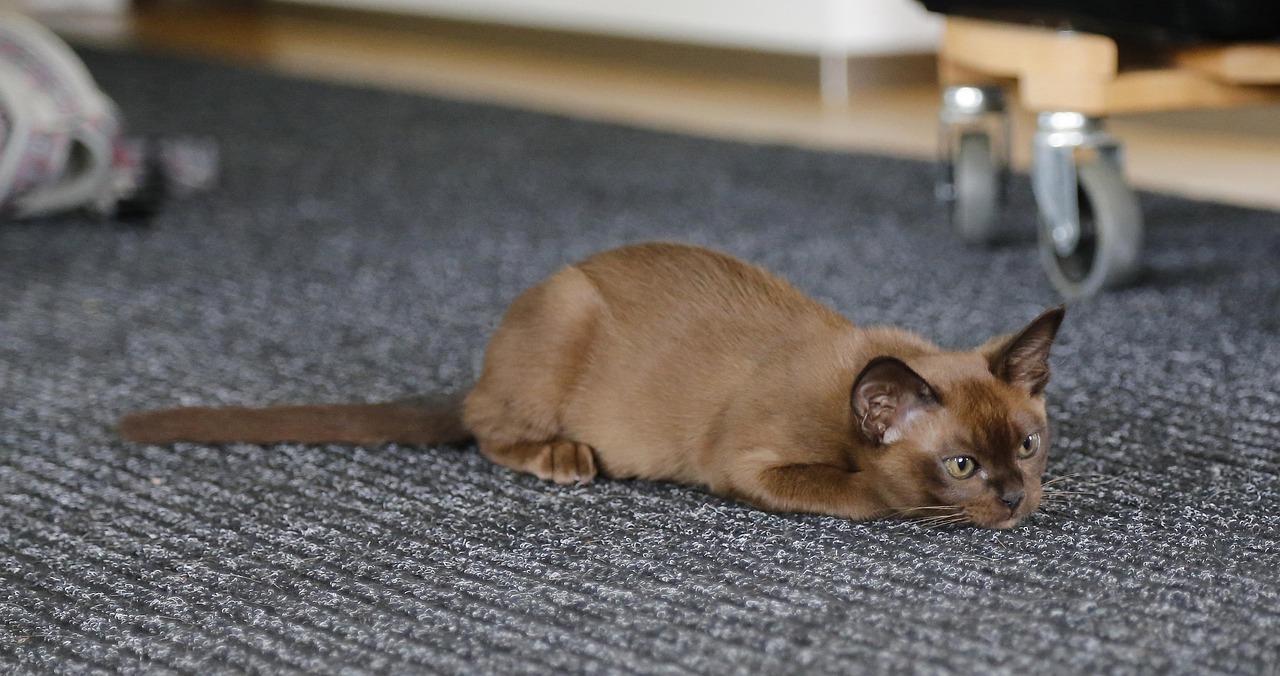

European Burmese Cats: Understanding Their Vocalizations
European Burmese cats are not just known for their striking appearance; their vocalizations echo their captivating personality. Unlike many cat breeds, the European Burmese is vocal, utilizing a range of sounds to communicate. Whether it’s a gentle purr or a loud meow, their vocal expressions can convey various emotions, from joy to distress. Understanding these vocalizations is crucial for their owners, as it fosters a deeper connection with them. They often do not hesitate to express their feelings through their voice, making them engaging companions. The breed is known to be more sociable than other felines, and their vocal nature complements this trait. These cats are typically more demanding and will often communicate clearly when they desire attention. Moreover, each cat has a unique way of vocalizing based on its personality and preferences. Owners should take the time to observe and learn their cat’s specific sounds and what each signifies. This understanding enriches the relationship and enhances the owner’s ability to respond appropriately to their feline friend’s needs.
The European Burmese is characterized not just by its vocalizations but by its physical attributes and temperament. These cats typically exhibit striking, short coats that come in various colors, adding to their overall aesthetic appeal. Their body structure is muscular, yet sleek, with a rounded head and large, expressive eyes. The color patterns are often gene-related, showcasing a mix of shades including champagne, sable, and blue. Additionally, they are known for their playful yet affectionate nature, making them ideal family pets. The breed revels in companionship, whether it be with humans or other pets. This sociable demeanor often leads to their frequent vocalizations, as they seek interaction and engagement. Owners may notice that their European Burmese uses a variety of sounds to solicit playtime or express contentment. It’s essential for pet owners to create an environment that encourages vocalization and interaction. A fulfilling environment can greatly enhance the well-being of these vocal cats, ensuring they feel cherished and part of the family unit. Observing their interactions and responses can also inform owners about their needs in terms of play and companionship.
The Importance of Vocalization in Communication
Vocalization serves as a critical component of cat behavior, especially in European Burmese cats. Through vocal sounds, these felines communicate effectively with their owners and express their needs. Unlike typical, less vocal breeds, they thrive on interaction, often using their voice to communicate their needs or desires. Many cat owners may find this appealing, as it forms a unique bond between the owner and their pet. Understanding this trait is vital, as vocalizations can indicate a variety of emotions ranging from excitement to frustration. By paying attention to these sounds, owners can better cater to their cats’ emotional and physical needs. An individual cat’s voice can become distinctive, allowing owners to recognize what their pet is attempting to convey. These vocal exchanges can lead to increased trust and affection as owners learn their cat’s unique speech patterns. Bringing awareness to vocalization can improve the living experience for both humans and cats. The robust communication through sounds reveals their emotional states, ensuring that their owners can provide the appropriate responses to their feline companions. Ultimately, vocalization unites both species more closely, enriching the human-animal bond.
The sounds produced by European Burmese cats vary widely, reflecting their dynamic personalities and needs. Cat owners will often observe that these cats have a specific repertoire of sounds, including trills, chirps, and distinct meows. Each sound can represent different feelings or requests, which can become clearer over time as the owner learns to interpret them. For instance, a louder meow might signify hunger or a desire for attention, while a softer trill may indicate comfort or contentment. Furthermore, the frequency and tone of their vocalizations can change depending on their mood or environment. This changeability makes it vital for owners to stay observant and responsive to their cat’s vocal cues. Additionally, their vocal behavior often intensifies during interactions or when they want to engage, reflecting their social nature. Being responsive to these vocalizations can help fulfill the emotional needs of these cats, allowing owners to build a stronger and more gratifying relationship. Understanding their vocal expressions can not only strengthen bonds but also contribute to the overall happiness and emotional health of the European Burmese cat.
Responding to Your Cat’s Vocalizations
Knowing how to respond to your European Burmese cat’s vocalizations is integral to enhancing your bond. These cats thrive on communication, and how you react can shape their trust and affection towards you. When they vocalize, take time to listen and attempt to understand the context and tone of their sounds. This attentiveness can create a more satisfying interaction for both the cat and the owner. Teaching your European Burmese appropriate responses, such as using gentle vocal encouragement or affectionate petting when they vocalize, can reinforce positive behaviors. Additionally, engaging with them during these vocal moments allows for a rewarding experience, deepening the bond. Prepare to adjust your responses based on their vocalizations; not every sound requires the same reaction. For example, if they are meowing persistently, it might imply that they desire attention or may have unmet needs. On the other hand, a soft sound could represent contentment and relaxation. By being mindful of their vocal cues and demonstrating affection accordingly, you can ensure your cat feels understood and valued. This attention to their vocal expressions can significantly impact their overall emotional health and happiness.
Moreover, encouraging your European Burmese to express themselves verbally can be beneficial for their mental stimulation. Engaging in interactive playtime or vocal games can inspire them to communicate even more. Using toys that evoke excitement and prompt vocalizations can enrich your cat’s environment, turning play into a multi-sensory experience. When they make sounds during play, it can be a signal of joy and enthusiasm. Owners can enhance this experience by responding with verbal praise or even playful mimicry, which not only entertains but reinforces their willingness to vocalize. These interactions provide a stimulating outlet for their natural instincts and promote emotional well-being. Additionally, creating a safe space for them to express themselves will enhance their confidence and security. By understanding and facilitating their needs for vocal expression, owners can nurture an environment that invites openness and communication. This interactive approach not only solidifies the bond between cat and owner but also leads to a more fulfilling life overall. Taking the time to encourage this behavior ultimately contributes to the well-being of the European Burmese, paving the way for a harmonious and affectionate companionship.
Conclusion: Embracing the Vocal Nature of European Burmese Cats
In summary, the European Burmese cat stands out due to its distinctive vocalizations and outgoing personality. Recognizing and embracing these traits can lead to enhanced relationships between owners and pets. As they express themselves through vocalizations, it is essential for owners to respond and engage meaningfully to foster a loving environment. The communication that occurs through sound reinforces trust and can enhance the bond significantly. Each interaction serves as an opportunity to learn about their needs and preferences, ensuring their happiness and well-being. Embracing their vocal nature while responding with love and care will lead to a rewarding companionship that both cat and owner cherish. Furthermore, understanding these vocal expressions can also guide owners in areas of health and distress, offering insights into their emotional or physical state. By prioritizing vocal communication, owners can ensure that their European Burmese cats feel heard and valued. Ultimately, appreciating their unique vocalizations not only enriches the lives of the cats but also enhances the quality of life for their human companions, creating a joyful living experience for both parties.
In conclusion, understanding the vocalizations of European Burmese cats extends beyond mere curiosity; it shapes how owners connect with, nurture, and respond to their pets. These vocalizations serve as critical components of their identity, reflecting their emotions and needs. Whether it’s playful meows encouraging engagement or soft purrs indicating comfort, each sound holds significance. By actively listening and observing, owners can learn to interpret these cues effectively. In turn, responding appropriately reinforces the bond and contributes to the cat’s emotional well-being. It is essential for owners to realize that these vocal expressions enrich their feline companions’ lives. They create a more profound, reciprocal relationship that fosters companionship and joy. Moreover, engaging in vocal exchanges can also stimulate the cat’s mental faculties, allowing for playful and interactive experiences. Taking time to appreciate these unique vocal skills can lead to a fulfilling relationship filled with joy and trust. Therefore, by integrating vocal communication into everyday interactions, the potential for a happy and balanced home life is enhanced. Ultimately, fostering a deep understanding of their vocalizations is the key to creating a loving and enriching environment for your European Burmese cat.