
Creative Posing Ideas for Dogs with Unique Features
When capturing the beauty of dogs with unique features, creative posing can make a significant impact on the final photograph. These canines often have characteristics that set them apart, such as unusual markings, expressive eyes, or distinctive body shapes. To showcase these features, consider using natural settings, like parks or fields, where the background complements their individual traits. Position the dog on an elevated surface, like a small rock or a bench, to add dimension. This technique not only highlights their size and shape but also creates an engaging composition. Incorporate props or toys that capture the dog’s personality, helping them feel comfortable and more natural in front of the camera. You can also use treats to direct them into desired poses, ensuring you capture their unique expressions. Exploring different angles, such as shooting at the dog’s eye level, can further enhance your images. Don’t hesitate to experiment with varied lighting conditions, like golden hour or soft shadows, to emphasize their unique features. The key to great dog photography lies in patience and creativity, so enjoy the process of discovering what works best!
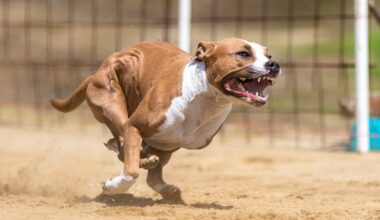
Next, think about incorporating playful elements into your sessions. Dogs with unique features often have spirited personalities that can shine through in action shots. For instance, if your subject loves to run or jump, capture these moments in a way that highlights their distinctive traits, like hair flopping or their whimsical expressions. Use high-speed settings on your camera to freeze those kinds of energy-filled moments. Engage with the dog using favorite toys or playthings, capturing their natural joy and enthusiasm. This not only results in dynamic images but also yields authentic expressions that truly reflect their character. Additionally, try different locations and settings that resonate with the dog’s features. A dog with fluffy fur may look adorable against spring flowers, while a short, stout pup might stand out in an open field. Think about contrasts in colors and textures that make your photos pop. Use light to your advantage, playing with shadows and highlights to add depth and character to your photographs. By blending action with creativity, you can create stunning portraits that celebrate your dog’s unique attributes, resulting in memorable photographs.
Incorporating Unique Props
Props can significantly enhance the overall aesthetic of your dog photographs, especially for dogs with unique features. Choose items that not only reflect the dog’s persona but also work well visually. For instance, a dog known for its large ears could be paired with oversized sunglasses, creating a fun and quirky vibe. Alternatively, use colorful bandanas or custom outfits that elevate their spunky character. If the dog has a unique fur pattern, contrasting colors in props can accentuate those features, making them more prominent in the image. Consider utilizing themed props for seasonal shoots; for example, autumn leaves or festive holiday decorations can provide exciting backdrops. Incorporating human elements like family members or friends can foster a sense of connection in the images, showcasing the bond between the dog and its humans. Photographing the dog engaging with these props during play can generate delightful candid shots that highlight their unique traits lovingly. Be mindful of the scale of your props, ensuring they don’t overwhelm the dog. With thoughtful prop selection, each photography session transforms into a joyful showcase of individuality and creativity.
Angles and compositions play a vital role in creating captivating dog portraits. Aiming for diversity in angles can lead to some truly remarkable shots that feature unique dog characteristics. For dogs with large features, such as prominent snouts or expressive ears, consider shooting from below to give them an imposing presence. Conversely, for smaller dogs, shooting from slightly above may enhance their adorableness. Be patient to catch genuine expressions; spend time interacting with the dog to make them comfortable, allowing their true personality to emerge. Keep the rule of thirds in mind when framing your shots, but don’t hesitate to break those rules when creatively inspired. Sometimes, unusual compositions can lead to breathtaking visual storytelling. Panoramic shots can encapsulate a dog’s playful nature, while close-ups can reveal intricate details, like their beautiful eyes or distinctive markings. Using leading lines in your composition can guide the viewer’s gaze toward your subject. Remember, photography should be fun and exploratory. Allow yourself to experiment freely with your angles, capturing the essence and uniqueness of the dogs in front of your lens. These images will resonate deeply with viewers.
Lighting Techniques for Unique Features
Lighting is one of the most critical aspects of photography, especially when working to highlight a dog’s unique features. The interplay of light and shadow can dramatically change how a dog’s characteristics are perceived in photographs. Early morning or late afternoon provides the best natural light for shooting outdoors, offering softer illumination that avoids harsh shadows. Take advantage of golden hour, when the sun is low in the sky; this time creates a warm glow that adds depth and richness to your images. For dogs with dark coats, consider using fill-in flash to bring out their colors without washing out details. Experimenting with backlighting, where the source of light is behind the dog, can create striking silhouettes or rim lighting that enhances their shape. Conversely, diffused light, such as on cloudy days, provides an even quality that avoids overexposure, making colors pop vividly. Play with the angle of your light, adjusting it to alter contrasts in your images. By understanding and manipulating light effectively, you’ll be able to craft breathtaking shots that celebrate the unique characteristics of the dogs you photograph.
Don’t forget the power of storytelling in dog photography. Each canine has its own narrative, and portraying this not only highlights their unique features but also creates emotional connections with viewers. Start by learning about the dog’s background and personality before your session; this information can shape your photographs. Consider candid action shots that reveal quirks, such as a dog with a unique stance or expression when it plays. Capture moments that tell a story about their everyday life or special experiences, such as hiking or spending time with family. Use varied perspectives to capture intimate moments; close-ups of the dog interacting with family or their surroundings can be incredibly moving. Additionally, documenting their playful antics integrates movement and excitement into your photography, driving home their uniqueness. Compose a series of images that work together to narrate a day in the life of the dog. These stories will resonate on a deeper level with your audience, inviting them to step into the world of this special canine companion with joy and curiosity. Being intentional in storytelling enhances the emotional impact of your dog portraits dramatically.
Editing for Maximum Impact
Edit your dog photographs to bring out their unique features further. The post-production process is essential for refining and enhancing your images. Utilizing software like Adobe Lightroom or Photoshop allows you to make adjustments that improve your overall aesthetic dramatically. Start with basic corrections, such as adjusting exposure, contrast, and white balance to reflect the dog’s colors accurately. Consider applying selective editing techniques to emphasize the dog’s unique features, like sharpening details in their eyes or adjusting the vibrancy of their coat. Cropping can also refine your composition, focusing attention on essential elements in the photo. Keeping the editing style consistent with your overall theme or brand identity is crucial, ensuring that your unique touch shines through. Don’t shy away from artistic filters or plugins to create mood or an impactful atmosphere around your subject. However, resist the impulse to over-edit; preserving the dog’s natural beauty is vital. The aim of editing is to enhance and not alter the essence of your subjects, enabling the unique features to shine authentically. In doing so, you create stunning images that allow the dogs to connect powerfully with your audience.
Finally, consider the importance of patience and practice in dog photography. Working with dogs requires a gentle and understanding approach, as they may not always cooperate during your sessions. Adopting a patient mindset means allowing both you and the dog time to adjust to the environment and camera presence. Establish some familiarity with the dog before attempting to pose or photograph them; this builds trust and makes the experience enjoyable for everyone involved. Engage in playful interactions and allow the dog time to explore the surroundings. This not only relaxes them but can yield delightful candid shots that genuinely showcase their unique features and personality. Remember that even the best photographers have off days; if things don’t go as planned, remain flexible and willing to adapt. Seek to learn from each session, developing your skills and understanding in the art of dog photography. With time, your ability to creatively capture their unique traits will grow considerably. Celebrate the journey and the special moments you create along the way, as each photograph tells a beautiful story of individual dogs and their remarkable features.