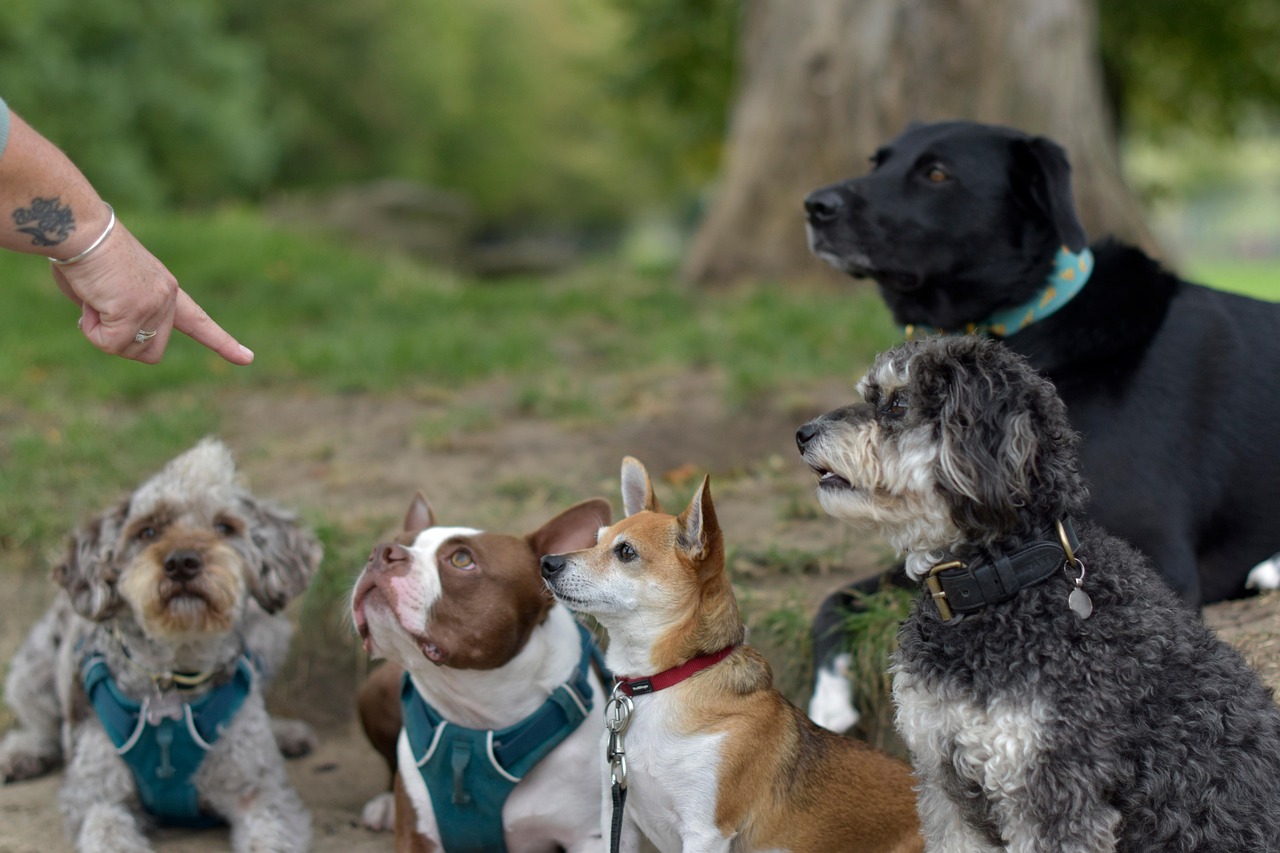

Snack Time: How Treats Can Aid Training Your Dog
Dog treats are an important tool for effective training, which is crucial for a well-behaved pet. Treats provide dogs with immediate positive reinforcement when they perform desired behaviors. Rewarding your dog with treats can create a stronger connection between behavior and reward. This link encourages your dog to repeat the good behaviors in the future. However, the selection of treats plays a significant role in your dog’s training success. Ideally, treats should be small, highly palatable, and easy to consume quickly. It’s important that they don’t distract your dog during training. Utilizing appropriate treats helps maintain focus and enthusiasm. Furthermore, choosing healthy treats can also positively impact your dog’s overall well-being. Look for options with natural ingredients, avoiding artificial additives and fillers. Many high-quality dog treats are available, offering health benefits while being appealing. When exploring various treats, consider your dog’s taste preferences and any dietary restrictions. By making training sessions enjoyable and rewarding for your dog, you foster a positive learning environment, enhancing both their skills and your relationship. Ultimately, treats can transform training sessions into fun bonding moments for you and your furry friend.
In addition to training, treats can be used to reinforce good behavior in daily situations. Using treats for occasions such as behaving well when visitors arrive or not barking unnecessarily helps establish a calm environment. This practice illustrates how treats can extend beyond training sessions and into everyday life. Incorporating treats into your routine enhances your communication with your dog, allowing you to guide them towards the behaviors you desire. Dogs thrive on consistency and positive feedback. Furthermore, using treats as motivation can tackle unwanted behaviors over time. For example, rewarding your dog for ignoring distractions like other pets or noises helps them learn to focus on you instead. While it’s vital to keep treats special, utilization must be balanced to prevent weight gain or dependence on treats. Limiting the number of treats and using a variety of lower-calorie options can address this issue while maintaining training efficiency. Always ensure that treats are incorporated strategically and not excessively. When used wisely, treats also facilitate positive interactions and trust-building in the owner-dog relationship. As you navigate training, remember that the right use of treats can go a long way in refining your dog’s behavior.
Choosing the Right Treats for Training
Choosing the right treats for your dog is undeniably essential for effective reinforcement. When selecting treats, consider several factors, including size, flavor, and nutritional value. Firstly, opt for small-sized treats that allow for quick rewards; this maintains momentum during training sessions. Treats should be consumed quickly so that attention remains focused on learning. Secondly, flavor preferences vary among dogs, so experimenting with different options may reveal what delights your furry friend the most. Many dogs enjoy meaty flavors over sweeter alternatives. However, not every dog prefers the same thing, so be observant of their reactions during training. Lastly, nutritional value shouldn’t be overlooked. Choose treats that align with your dog’s dietary needs and avoid unnecessary fillers. High-quality ingredients sustain your dog’s health and energy levels. Remember to read labels and choose wholesome treats made with real ingredients. Additionally, consider preparing homemade treats that cater specifically to your dog’s tastes and nutritional requirements. Tailoring training treats can enhance their effectiveness and reduce costs. By thoughtfully selecting treats, you create a more effective training environment that motivates your dog while promoting long-term health.
Training treats can often become a part of your dog’s routine, so mixing them up is crucial. Variety keeps your dog interested and excited during training sessions. Using different treats can also prevent your dog from becoming bored with the reward system. Rotate between several types of treats—such as chewy, crunchy, or meaty—to keep your dog engaged. This not only rewards their efforts but also makes training more dynamic and enjoyable for your dog. Additionally, you might consider incorporating puzzle toys that dispense treats during playtime. These toys can challenge their minds and offer rewards simultaneously, enhancing your dog’s learning experience. This innovative approach to training integrates both play and learning. Dogs also benefit greatly from scent-based activities; food-dispensing toys engage their natural instincts. Hide treats in various locations to let your dog use their nose to locate the rewards. This exercise can cultivate problem-solving skills while reinforcing desired behaviors. Ultimately, maintaining variety in training treats and methods fosters an engaging learning process for your dog. As a result, you strengthen their skills and communication with you, creating a more profound bond.
Healthy Treat Alternatives
Furthermore, ensuring that the treats you use are healthy contributes to your dog’s overall well-being. With so many options available in pet stores, it can be challenging to distinguish between healthy and unhealthy treats. One way is to prioritize treats that contain minimal ingredients, focusing on real meat or vegetables. Avoid products with artificial colors, flavors, or preservatives; these can negatively impact your dog’s health in the long run. Look for treats labeled as grain-free if your dog has sensitivities to grains. Additionally, consider making your own treats at home using safe ingredients. Many simple recipes can be made with ingredients like pumpkin, peanut butter, or sweet potatoes. Homemade treats allow you to control the quality and nutritional content. Furthermore, they enable you to tailor flavors to your dog’s liking while minimizing potential allergens. Always keep portion sizes in check when offering both store-bought and homemade treats. Moderation is key to preventing weight gain and ensuring balanced nutrition. By choosing healthy alternatives for training, you’re promoting both good behavior and your dog’s physical well-being, thus creating a win-win situation.
Consistency is also vital when utilizing treats for training. Dogs thrive on repeated patterns, so establishing a routine helps reinforce their learning. Decide on specific commands that will be associated with the treats you’ll offer, such as “sit” or “stay.” Every time your dog successfully obeys a command, promptly reward them with a treat to create a strong connection. It’s important to maintain equal standards in your training sessions, which will prevent confusion. Ensure that everyone in your household applies the same rules and commands when interacting with your dog. Consistency among different handlers ensures that your dog can reliably understand intended behaviors. Additionally, be patient as your dog learns; not every command will be mastered immediately, and that’s completely natural. Training is a gradual process, where some dogs may take longer to grasp specific concepts or tricks. Celebrate small achievements and utilize treats as powerful incentives to motivate your dog through challenges. Practicing regularly but in short sessions keeps their attention, further enhancing understanding. The relationship cultivated through consistency creates a productive learning atmosphere for your dog and instills lasting habits.
Conclusion: The Power of Treats in Dog Training
In conclusion, treats play a significant role in dog training, serving as motivators that enhance learning experiences. The thoughtful use of treats demonstrates their importance in forming desired behaviors while promoting a strong bond between dog and owner. Reinforcing commands with treats establishes a positive environment conducive to growth and connection. Always prioritize healthy options that provide nourishment while keeping training engaging. Balance consistency with variations to keep your dog’s interest piqued. Moreover, consider the necessity of patience as each dog learns at their own pace. Effective training using treats nurtures not only obedience but also your dog’s psychological well-being. This gratifying dynamic transforms training sessions into rewarding experiences for both dogs and owners alike. The potential impacts of rewards that come from treats are invaluable as they can lead to long-term behavior changes. In addition, using treats allows you to tailor interactions that suit individual dog personalities and preferences. So, embark on this exciting journey knowing that the right treats can truly empower your dog’s training experience and highlight the joy of companionship.