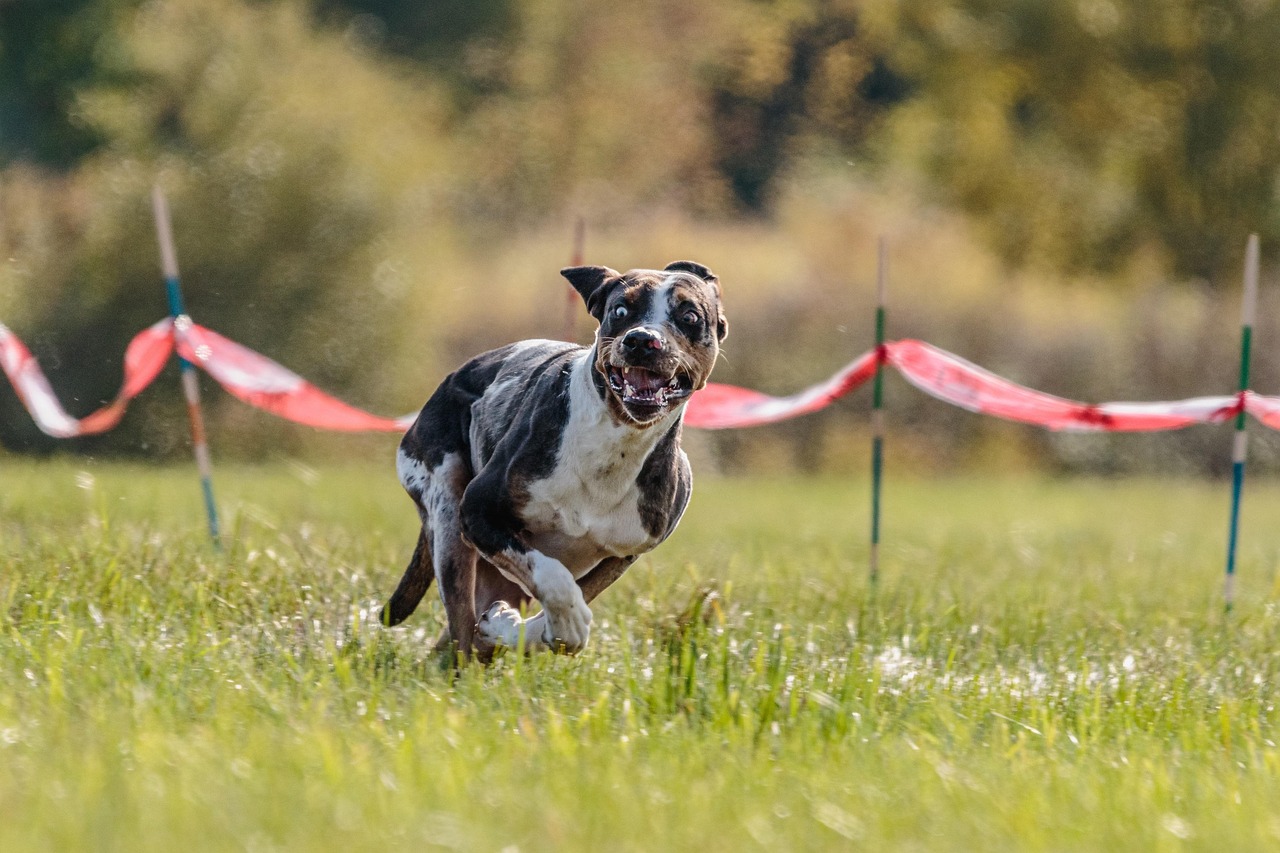

Is Chasing Normal? Understanding the Natural Instincts of Dogs
Chasing behavior is a common trait in dogs, rooted in their natural instincts. Dogs are descendants of wolves, and they carry inherited behaviors from their wild ancestors. This instinct is primarily a survival mechanism, as wolves chased their prey for food. Therefore, it’s essential to understand that when dogs exhibit chasing behavior, they are not merely disobeying; they are fulfilling an innate drive. Different breeds have varying levels of prey drive, which influences how strongly they may chase. For example, hunting breeds such as Retrievers and Vizslas are more predisposed to chase small animals. In contrast, breeds bred primarily for companionship may exhibit less intense chasing behavior. However, all dogs can engage in chasing things like balls, squirrels, or moving cars out of instinct. Observing your dog’s chasing behavior can help you determine how best to manage it safely. It’s also crucial to consider their energy levels and overall physical condition. Excessive chasing can lead to accidents or injuries. Understanding this instinct helps create a harmonious environment for both dogs and owners, allowing for safe play while respecting their natural tendencies.
Chasing behavior can manifest in various forms, representing not only instinctive actions but also outlets for energy. Many dogs chase balls or toys as part of playtime, which is beneficial for physical and mental stimulation. Regular exercise helps reduce pent-up energy and minimizes unwanted chasing of wildlife or vehicles. However, this behavior escalates when dogs are left without structured activities. They may chase after runners, cyclists, or cars, risking their safety and that of others. Owners should aim to meet their dog’s energy needs through daily walks, interactive games, and mental challenges. Training plays a significant role in managing chasing behavior; commands like “leave it” or “come” can be invaluable. These actions establish boundaries. Socialization is equally important, where dogs learn appropriate behaviors and can interact positively with various stimuli. Owners should be proactive, anticipating situations that might trigger chasing and removing their pets from those scenarios when necessary. Consistent reinforcement of desired behaviors, along with patience and understanding, helps reshape their responses over time. Proper management ensures that dogs remain companions rather than potential hazards, allowing for a happier coexistence.
Factors Influencing Chasing Behavior
Several factors influence the level of chasing behavior in dogs, significantly impacting their actions. Firstly, the breed plays a crucial role as different dogs possess varying prey drives. For example, herding breeds like Border Collies may chase more actively due to their genetic heritage. Secondly, the individual dog’s age and energy level are essential considerations. Puppies are naturally more excitable and may chase frequently out of curiosity and playfulness, while older dogs might chase less due to reduced energy. Additionally, socialization experiences significantly shape how dogs react to new situations. Dogs that have been exposed to different environments and experiences are likely to exhibit well-rounded behavior. Environmental factors also affect chasing. Dogs may chase animals or objects when they perceive them as exciting or threatening, influenced by how their owners handle these encounters. Owner behavior can also reinforce or discourage chasing; inconsistency can lead to confusion. Knowing these factors allows owners to create strategies to manage chasing effectively. By understanding the various influences on this behavior, owners can better guide their pets toward appropriate activities while still honoring their instincts.
Addressing excessive chasing requires patience and consistency from dog owners. However, it’s essential to recognize that not all chasing is negative. Within appropriate contexts, chasing can provide fun and fulfillment when done safely. Nonetheless, when it crosses into problematic territory, it’s crucial to identify triggers and work proactively. Owners can begin by observing their dog’s reactions to specific stimuli, allowing them to anticipate future runaway situations. For instance, if a dog tends to chase after motorcycles, maintaining a safe distance during walks can prevent pursuit behaviors. Positive reinforcement, such as treats or praise, plays a critical role in encouraging desired responses. If a dog displays interest in something they shouldn’t chase, redirecting their attention can prevent negative outcomes. Engaging them with toys, treats, or commands can shift their focus. Training classes often provide a supportive environment, where dogs learn basic commands in a structured setting. This structure encourages good habits while socializing with other dogs. Ultimately, working tirelessly to manage their chasing tendencies promotes safety in public spaces and a deep bond with their furry friends.
Chasing and Dog Mentality
The mentality of a dog is intricately linked to their behaviors, including chasing. Dogs are highly adaptive animals and tend to thrive on routine and predictability. Their mental state significantly influences how they perceive their environment and respond to stimuli. When dogs experience boredom or lack enough mental challenges, they often resort to chasing as an outlet. Understanding this relationship is crucial for managing their behaviors effectively. Owners can take steps to enrich their dog’s daily life through interactive toys, puzzle games, or training sessions that stimulate their minds. Regular mental exercises not only reduce excessive chasing behaviors but also strengthen the bond between pet and owner. Observing your dog’s reactions during playtime can reveal much about their mental state; some dogs may express joy and playfulness, while others may appear anxious. Changes in behavior can indicate stress, suggesting that owners should consider their dog’s emotional well-being as they manage chasing. Enriching their environment may help promote confidence and calmness, enabling dogs to engage in appropriate social interactions without resorting to disruptive chasing behaviors.
In addition to physical and psychological aspects, the emotional component of chasing behavior deserves attention. Some dogs chase due to heightened arousal or excitement levels when exposed to moving objects or animals. This, combined with their natural instincts, can lead to impulsive behaviors. Owners must help their dogs recognize the difference between excitement and calmness through energy management techniques. Introducing relaxation practices and calming exercises can help alleviate the excessive excitement that often results in chasing impulses. Activities like scent work can also provide a constructive outlet, allowing dogs to follow their instincts without chasing unwarrantedly. It’s vital to create an environment where dogs can feel secure and engaged, reducing anxiety-driven behaviors. Addressing emotional well-being is as important as physical exercise to ensure a well-rounded approach to managing chasing. Training sessions can double as bonding experiences, further enhancing a dog’s emotional health. Owners might also explore dog sports, which channel a dog’s natural energy and instincts into structured activities, preventing unwanted chasing elsewhere. By nurturing their emotional state, dogs learn to display appropriate behaviors, contributing to a harmonious household.
Conclusion: Understanding Chasing Behavior
Understanding chasing behavior in dogs is essential for fostering a balanced relationship between them and their owners. This behavior, deeply rooted in instincts, serves purposes beyond mere fun and entertainment. By comprehending the various dimensions affecting chasing, including breed characteristics, mental states, and emotional health, owners can implement effective strategies to manage behaviors constructively. Having a plan enables owners to redirect energy positively while respecting their dogs’ natural instincts. Creating an environment conducive to mental and physical stimulation helps mitigate unwanted chasing, replacing it with healthy outlets. Additionally, ensuring that dogs engage in regular training and socialization lessons enhances their skills, allowing them to thrive in diverse situations. With patience, dedication, and proper training, chasing behavior can be successfully managed, promoting safety for both dogs and others. Ultimately, understanding chasing behavior leads to a deeper bond between dogs and their owners, enriching both their lives. By acknowledging instinctual drives, owners can tailor experiences that fulfill their dogs’ needs while ensuring they remain safe and well-adjusted companions. This understanding turns a complicated issue into a manageable part of pet ownership, enhancing the joy of having a dog.
Through this comprehensive approach to understanding chasing behavior, present and future dog owners can better prepare themselves for the challenges of managing these natural instincts. Equipping themselves with knowledge will significantly reduce frustrating situations and improve the overall experience of dog ownership. Owners should recognize that every dog is unique, and thus, their response to stimuli will vary. Building an interactive relationship allows for fruitful communication between dog and owner, strengthening trust. As expectations evolve, the owner will understand their dog better, guiding them toward appropriate behaviors and satisfying instincts without compromising safety. Respecting a dog’s instinctual needs while integrating them into modern living becomes more feasible with patience and understanding. Fostering a nurturing and engaging environment facilitates emotional stability, enabling dogs to feel secure amid pressures they face in diverse settings. Owners should remain committed to continuous learning and adapting, ensuring that their approach evolves alongside their canine companions. By doing so, they are likely to enjoy the journey of pet ownership, filled with memorable moments and shared joys.