
Essential Oils and Their Effect on Cat Skin Conditions
Feline skin allergies and dermatitis are common issues affecting many cats, leading to discomfort and health concerns. Various factors contribute to these conditions, including environmental allergens, food sensitivities, and contact irritants. As pet owners seek additional methods to alleviate their cats’ skin problems, the use of essential oils has gained popularity. Essential oils are concentrated plant extracts, believed to have therapeutic properties that may aid in promoting skin health. They can be used to soothe irritated skin, reduce inflammation, and support overall well-being. However, it is essential for cat owners to ensure the safe application of essential oils, as some can be toxic to cats. Always consult a veterinarian before introducing new treatments. Proper dilution and choice of oils can make a difference. Many cat owners have reported positive effects of oils, such as lavender and chamomile, in managing skin conditions. While these alternatives can complement traditional therapies, they should never replace professional veterinary care. Close monitoring of the cat’s reaction to any oil is crucial to avoid adverse effects.
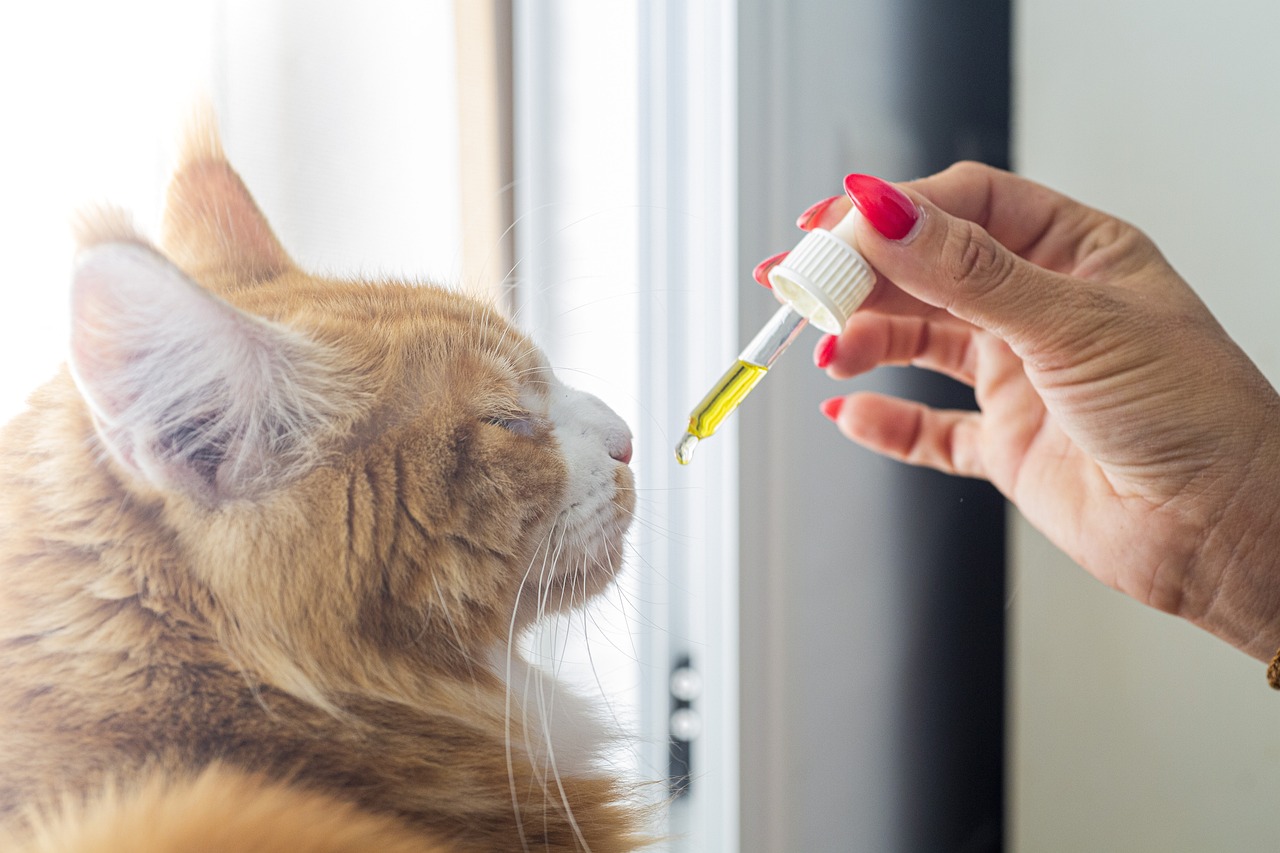
Before considering essential oils for feline skin allergies, understanding the appropriate oils is vital. Some essential oils, like tea tree or eucalyptus, can be toxic, so caution is essential. Instead, look for oils known for their cat-friendly properties, such as lavender, peppermint, and chamomile. These oils are not only soothing but have been documented to reduce itching and inflammation effectively. When using essential oils, diluting them is crucial; never apply them directly to the cat’s skin without dilution. A safe dilution ratio is typically 1 part essential oil to 50 parts carrier oil, like coconut or almond oil. This method ensures that the powerful properties of the essential oils are accessible without the risk of toxicity. Additionally, always conduct a patch test before full application. Apply a small, diluted amount on a less sensitive area and observe for any adverse reactions over 24 hours. If the cat shows signs, such as excessive scratching or irritation, discontinue use immediately and consult a veterinarian. Understanding essential oils’ properties can guide their safe use and help manage feline skin conditions.
Application and Safety Precautions
Application methods for essential oils vary; however, using a diffuser can effectively disperse oils in the environment. This method allows cats to benefit from the calming effects without direct skin contact. Alternatively, for skin conditions, you may incorporate essential oils into grooming routines. A diluted mixture can be massaged gently into the affected areas to soothe irritations. It’s essential to ensure the cat is calm during this process to observe the resilience of the skin and adjust treatment accordingly. In addition to topical application and diffusing, consider creating a calming spray by diluting essential oils in water. This spray can be lightly misted around the cat’s resting area, promoting a soothing atmosphere. Always consult with your veterinarian for guidance on how and when to administer essential oils. Moreover, observe your pet frequently for signs of skin improvement or adverse reactions. If any unusual symptoms arise, seek veterinary advice immediately. Pets often react differently to treatments, so patience and adjustment may be necessary in finding the right approach for fostering feline skin health.
Holistic approaches, including essential oils, must complement a multifaceted strategy to manage feline skin allergies effectively. Regular veterinary examinations should be prioritized to determine underlying causes of dermatitis and allergies. In addition, ensuring optimal nutrition is key to maintaining overall skin health. Cats require balanced diets rich in omega fatty acids, vitamins, and minerals for healthy skin and coat. Integrating supplements, such as fish oil, can enhance skin health from the inside out. Furthermore, keep the living environment clean to minimize allergen exposure. Dust, pollen, and other irritants can exacerbate pre-existing conditions. Bathing cats with gentle, hypoallergenic shampoos can also help alleviate itching and inflammation. It’s crucial to establish a routine that works seamlessly with all skincare modalities. Regular grooming not only helps maintain coat health but allows for early detection of any skin issues. Combining dietary support, regular vet checkups, and holistic therapies can significantly improve your cat’s overall skin condition. Embrace a comprehensive plan to promote your feline friend’s well-being, monitoring their reactions closely to adapt as needed.
Clinical Evidence and Considerations
While the popularity of essential oils for feline skin conditions continues to rise, scientific support for their effectiveness remains limited. Some studies have indicated benefits related to stress relief and skin health, particularly with cat-friendly oils. However, clinical evidence linking essential oils directly to the treatment of feline dermatitis is not robust. This lack of comprehensive research warrants caution among pet owners considering essential oils as a remedy. The potential for adverse reactions, such as skin irritation, allergic response, or toxicity, must be considered seriously. Veterinary advice is indispensable before exploring alternative treatments like essential oils. Because cats metabolize substances differently than humans, an oil that works for a dog or human may not be safe for felines. Always ensure transparency with your veterinarian about all supplements or alternative therapies being used. This sharing of information allows for a tailored approach in managing your cat’s skin health and all-around health. Regular monitoring, alongside professional guidance, ensures that the chosen therapies remain safe and effective for the unique needs of each cat. A holistic approach tailored for individual needs is paramount.
In conclusion, while essential oils may provide a complementary option for managing feline skin allergies, reliance solely on them is ill-advised. Pet owners must remember that every cat is unique, responding differently to various treatments. Consulting a veterinarian should always be step one before incorporating essential oils or any new remedy into your cat’s skin care regime. Listening to your vet’s recommendations can ensure the treatment chosen is both safe and effective. Continuously watching your cat’s responses to the treatment is integral; documenting changes in behavior or skin conditions can provide insights into the progress or need for adjustments. Holistically improving your cat’s skin health involves a combination of dietary modification, environmental management, and professional care. By merging these strategies thoughtfully, you significantly enhance your cat’s quality of life while addressing existing skin issues. Remember, skin allergies can recur or evolve, requiring ongoing assessment and adaptation to treatment plans. Fostering a proactive approach can lead to long-term benefits. With adequate care, attention, and the right therapies, you can help your feline friend enjoy a more comfortable and healthier life.
Final Thoughts on Essential Oils
Ultimately, when deciding on essential oils for treating cat skin conditions, it is crucial to conduct thorough research. Online resources can provide valuable insights into safe practices, but the advice of a trained professional remains paramount for ensuring the well-being of your pet. Regular vet visits offer opportunities for tailored advice based on your cat’s health history and current issues. Furthermore, consider joining forums or community groups where other cat owners share their experiences with essential oils. Engaging with fellow animal lovers can help you gather a broad spectrum of experiences and recommendations. However, keep in mind that each kitty is distinct, and what works for one may not work for another. Always remain open to trial and adjustment, closely observing your pet’s condition throughout the process. Essential oils can serve as one part of a larger treatment puzzle, but they should never replace standard medical care. Applying them in conjunction with a vet’s guidance ensures a safe environment for your feline friend. Trusted advice leads to enhanced outcomes, making it essential for your cat’s journey towards improved skin health.
In the ever-evolving field of holistic pet care, essential oils provide exciting possibilities. The integration of aromatherapy into feline health regimens opens pathways for exploration. Pet owners are increasingly recognizing the potential benefits, from alleviating anxiety to soothing skin irritations. With continued research and dialogue within the veterinary community, essential oils may find a more established role in pet care practices. Paying attention to emerging evidence is essential to determining the most effective remedies. Always prioritize quality, using pure, ethically sourced essential oils to minimize hazards. Look for reputable brands that provide third-party testing to ensure safety and effectiveness. Educating yourself on the appropriate use of essential oils along with your vet’s guidance creates a robust framework for your pet’s health journey. Remember the importance of a comprehensive approach, integrating nutrition, environment, and veterinary care with essential oils where applicable. By taking these measures, you will foster a more balanced and holistic approach to your cat’s overall well-being. Continuous assessment and engagement with your veterinary team will pave the way for best practices, securing long-term health benefits for your beloved feline companion.