
Creative Homemade Dog Food Recipes with Eggs and Dairy
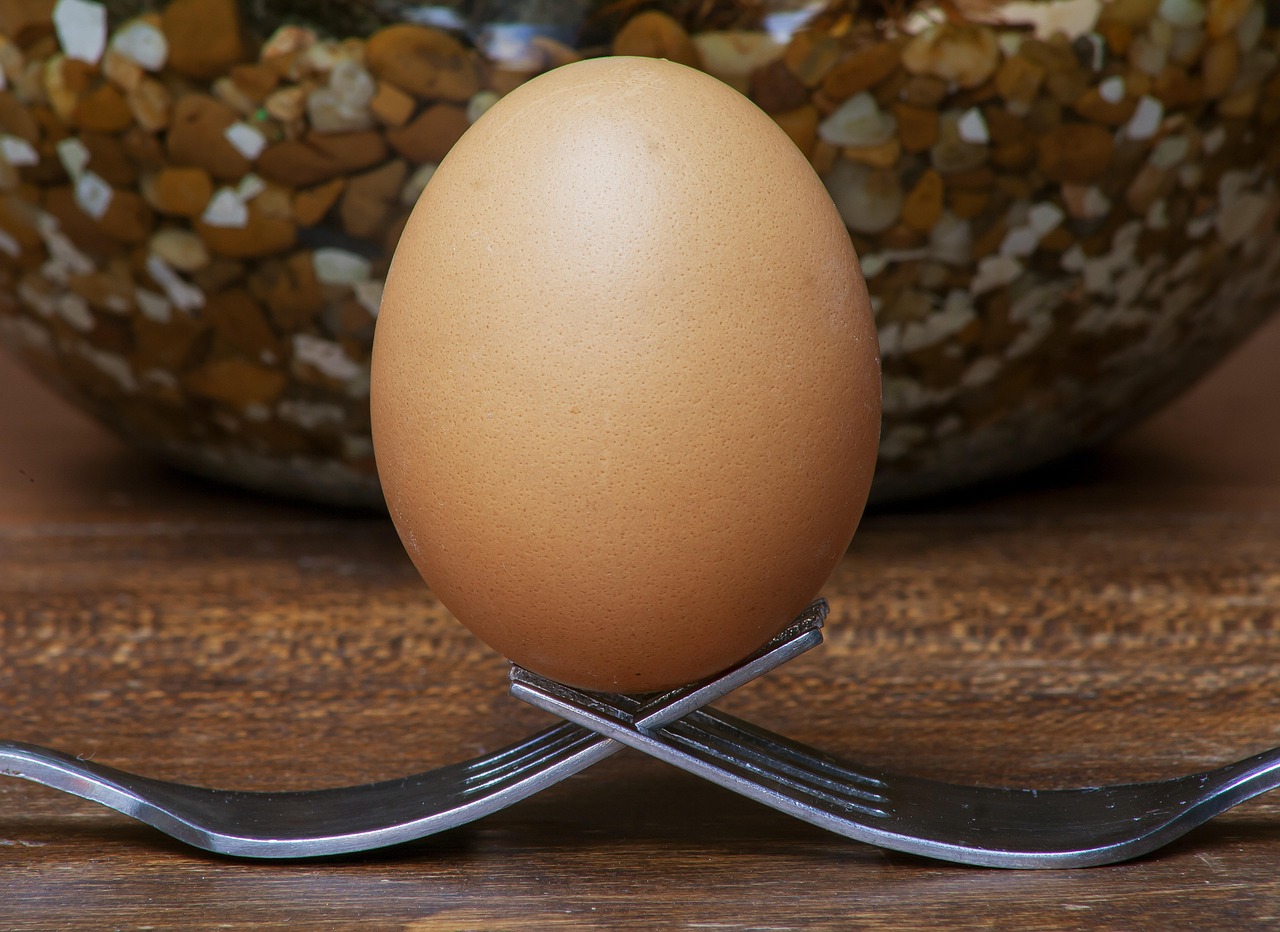
Creating healthy and flavorful homemade dog food can be a fun task that benefits your beloved pet’s health. One excellent ingredient for homemade dog food is eggs. Eggs are a great source of protein, which is essential for your dog’s muscle development and overall health. To make a simple dog food recipe with eggs, you can scramble a few with some chopped vegetables. While cooking, ensure to avoid adding salt or spices that could upset your dog’s stomach. After scrambling, mix in some healthy grains like brown rice or quinoa for added nutrition. Making small batches will guarantee freshness, essential for your pup’s meals. Do note that some dogs can have allergies to eggs, so it’s vital to consult with your veterinarian before making any changes to their diet. Another excellent ingredient to include is cottage cheese, which is packed with protein and healthy fats. It’s best to introduce these new recipes gradually into your dog’s diet to avoid digestive issues. Remember, consistency and attention to detail are key in providing your pet with balanced nutrition.
Another great combination for homemade dog meals is blending eggs and vegetables. You can create a savory dog food blend by combining beaten eggs with shredded carrots, peas, and sweet potatoes. First, cook the sweet potatoes until soft, then mash them and mix in the cooked carrots and peas. Pour the beaten eggs over the mixture and scramble everything together in a pan at low heat. This dish packs a nutritious punch, supplying vitamins and minerals essential for your dog’s well-being. Avoid using any added oils or butter, as these can add unwanted calories. Once cooked, let it cool before serving. Portion control is crucial, so ensure to serve the right amount based on your dog’s size and activity level. Additionally, rice can also be included as a carb source, but remember to adjust the amount based on the blend produced. Transitioning an established diet into a homemade routine should also be done gradually to monitor your dog’s health and dietary response. Keep record of how your dog reacts to new recipes to ensure that their health remains optimal.
Combining Dairy and Eggs for Balanced Nutrition
Incorporating dairy into your dog’s meals, alongside eggs, can enhance the flavor and nutritional value. Greek yogurt is an excellent choice, packed with probiotics that support digestive health. To make a delicious dog food recipe, you can mix boiled chicken, eggs, and a few spoonfuls of Greek yogurt. Begin by boiling chicken until it becomes tender, then shred it into smaller pieces. Add in the scrambled eggs and yogurt, giving them a good mix. This mixture not only tastes great but is brimming with proteins, vitamins, and healthy fats that contribute to a shiny coat and robust health. Just keep in mind that some dogs may be lactose intolerant, so gradually introduce yogurt and monitor for any adverse reactions. Avoid flavored yogurts with sugars or additives, as these can pose health risks. This recipe can serve as a special treat or a complete meal. The combination of ingredients ensures your furry friend gets the nourishment they need while enjoying a delicious meal that they will love.
Food safety is paramount when preparing homemade dog recipes. Always ensure that you’re handling ingredients in a clean environment to minimize risks of foodborne illnesses. Wash your hands thoroughly before and after handling raw ingredients, such as eggs and meats. Store ingredients in a refrigerator if not used immediately, keeping in mind the expiration dates of dairy and produce. After cooking, allow the food to cool down before serving. This practice helps in preventing burns to your dog’s mouth and ensures it’s just the right temperature. If you make a larger batch of food, you can freeze portions for later use. Homemade dog food can be frozen for up to three months if stored appropriately in airtight containers. Thaw the food in the refrigerator a day before serving, and avoid re-freezing leftovers. It’s important to monitor your dog for any changes in health or behavior when introducing new foods, helping ensure that every meal is both delicious and safe. Regular diet reviews with your veterinarian will also help keep your dog’s health on track.
Incorporating Different Flavors and Textures
Experimenting with different flavors and textures is key to keeping your dog excited about their meals. You can add flavors by including ingredients such as spinach, sardines, or pumpkin. For instance, creating a pumpkin and egg recipe can be simple; mash cooked pumpkin and mix it with scrambled eggs and a touch of plain yogurt. This dish is rich in fiber and promotes good digestive health. Sardines are another excellent option; they are rich in omega-3 fatty acids, which are great for skin health. To prepare this meal, simply drain canned sardines and mix them in with scrambled eggs and a little bit of spinach. The ingredients offer a unique taste while ensuring your dog receives essential nutrients. When introducing new components into your dog’s diet, take proper steps to ensure they adapt to the flavors. Observe any signs of allergies and adjustments they might need. Keeping meals varied prevents monotony, leading to a healthier appetite over time. Keep your pet’s food fresh and exciting by introducing them to new flavors thoughtfully.
Additionally, you can create dog food with a crunch factor by mixing in oats or barley. These ingredients not only provide added texture but also are whole grains that support digestive health. For a delightful crunch, consider baking a batch of homemade dog biscuits using oats and eggs. Combine oats with mashed bananas or pumpkin puree and add an egg to bind it together. Shape the mixture into small cookies, and then bake until golden brown. This recipe is simple and ensures your dog gets a tasty treat that’s good for them. You can customize these biscuits by adding additional flavors, like mashed sweet potato or peanut butter, ensuring they remain healthy. Baking dog treats allows you to control ingredients, keeping harmful additives at bay. It’s a fun way to bond and provide tasty goodies for your dog. Snacks like these are perfect for training and rewarding your dog without worrying about excessive calories. Track their responses to homemade snacks; it’s important to create positive associations with healthy food.
Final Considerations for Homemade Dog Food
Making homemade dog food requires consistent monitoring and adjustments based on your dog’s reactions and nutritional needs. Always remain informed about what ingredients are safe and beneficial. Ensure to maintain balanced meals, utilizing a variety of proteins, carbohydrates, and fats. Consult with a veterinary professional to gain insights on portion size and nutritional requirements specific to your dog’s breed, weight, and activity level. Keeping track of your dog’s response to meals can guide your future cooking endeavors. Consider keeping a feeding journal detailing your recipes and your dog’s reaction. This approach will help you identify which meals your dog excels on and which ones may not be suitable. Furthermore, research alternative sources of nutrients, especially if your dog has dietary restrictions. Tailoring your recipes will ensure optimal health and energy for your furry friend throughout their life. Prepare to experiment with creativity while respecting your dog’s preferences. A well-fed dog is a happy dog, and the joy of cooking together can create an unbreakable bond that lasts for years. Homemade meals can be the best gift you give to your pet.
In conclusion, homemade dog food recipes can be a rewarding experience, filled with love and care. The inclusion of eggs and dairy opens up a wide variety of meal options that are nutritious, delicious, and enjoyable for dogs. Each recipe allows for creativity while catering to your dog’s specific dietary needs. Remember to incorporate various ingredients to provide a well-rounded diet and keep excitement in their meals. Emphasize food safety, and always introduce new foods gradually to ensure your dog adapts well without any issues. Observing your dog’s reactions can enhance the experience as you tailor their meals to what they respond to best. Homemade is not only about nutrition but also expresses love through the meals you create for your four-legged family member. Encourage healthy eating habits clearly by setting an example through preparation of balanced and tasty meals. Ultimately, your efforts in cooking will not only reward your dog with health and happiness, but it can enrich your bond, making every meal a delightful journey shared together.