
The Impact of Indoor Toys on a Dog’s Physical and Mental Health
Indoor dog toys play a crucial role in shaping a dog’s physical and mental well-being. Selecting the right toy can engage your dog in beneficial ways. Dogs, like anyone, require stimulation to thrive, which is why these toys should be a staple in your home. The proper choice can promote exercise, helping dogs maintain a healthy weight while reducing anxiety. From tug toys to puzzle games, there are options available tailored to different needs. For instance, interactive toys encourage mental engagement, turning playtime into a smart workout. Furthermore, providing an array of options keeps the dog’s interest alive. Rotating toys will not only keep the play fresh but also challenge their cognitive skills. Additionally, the use of durable materials ensures longevity, allowing for repeated use without unnecessary waste. Comfort and safety are paramount, so selecting toys made from non-toxic materials is essential. Be sure to monitor your dog during playtime for safety, ensuring that they don’t ingest any small parts. All these factors contribute significantly to both physical activity and emotional health in your canine companions.
Beyond physical exercise, indoor dog toys significantly stimulate mental agility in dogs. Engaging the mind helps develop problem-solving skills, which can be incredibly beneficial. Puzzles that require dogs to find hidden treats offer not just fun but also a sense of satisfaction. This mental stimulation can reduce destructive behaviors commonly observed in dogs, resulting from boredom and a lack of engaging activities. Furthermore, puzzle toys also encourage healthy exploration and natural instincts, engaging dogs to think critically. Incorporating toys that allow for tugging or fetching within limited indoor space can also improve their coordination and agility. Always choose toys that match your dog’s size and abilities, preventing frustration and help build confidence. This aligns with the concept of positive reinforcement as well. When dogs successfully interact with these toys, they gain boosts of confidence, making them more comfortable in various situations. Creating a stimulating environment ensures dogs flourish mentally and physically, enhancing their overall quality of life. As part of a daily routine, interacting with these toys helps to strengthen the bond between owner and pet, resulting in mutual enjoyment and trust.
Enhancing Bonding Through Play
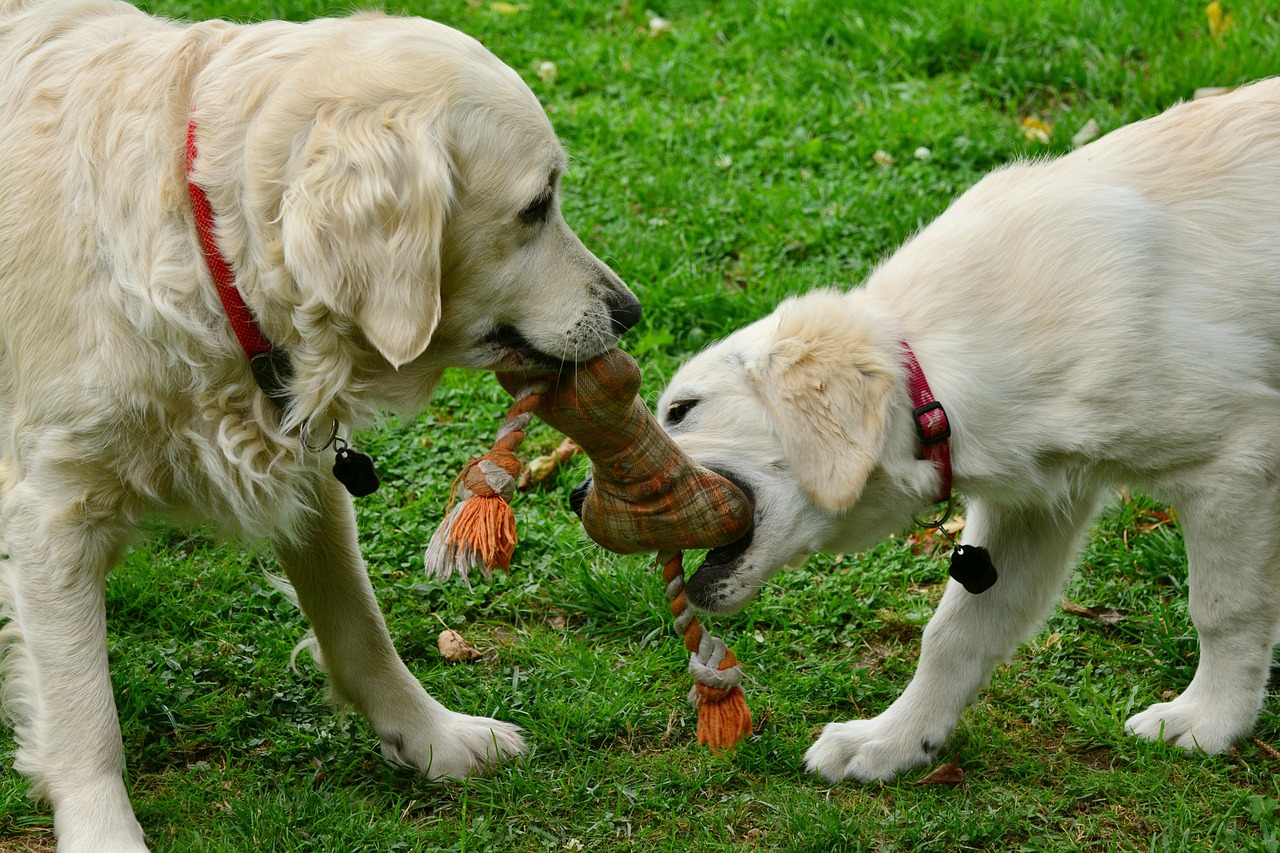
Indoor dog toys can be a bridge that enhances the bond between dogs and their owners. Engaging in play is not just fun; it’s essential for establishing a strong relationship. When owners dedicate time to play with their dogs using these toys, they create shared experiences. This interaction fosters trust and understanding. Toys that require active participation, like fetching balls or tug ropes, can truly enliven this connection. Additionally, watching a dog enjoy playtime can provide joy to the owner, creating positive experiences together. In essence, play acts as a communication tool, allowing pets to express desires and needs. This mutual understanding helps both pets and their owners become more attuned to each other. As the bond grows stronger, so does the dog’s sense of security and belonging, contributing to improved emotional health. A supportive environment means less anxiety and more happiness for your dog, encouraging a completely fulfilling life together. Incorporating new toys periodically also keeps the interaction exciting, which is essential in maintaining that strong bond. The distinct materials and functions of toys available in today’s market can truly enrich the shared experience between dogs and their humans.
Moreover, the diversity of indoor toys available today can cater to various breeds and behaviors. Each breed often has unique characteristics, influencing their play preferences. For example, aggressive chewers require sturdier toys, whereas smaller breed dogs may enjoy softer, plush options. Understanding your dog’s individual personality and preferences can lead to better choices in toys. Moreover, considering their energy levels is equally important; more active breeds may benefit from highly interactive toys, inciting higher energy expenditure. For calmer dogs, quieter toys that induce gentle play can provide a relaxing diversion. Using toys that also engage multiple senses can enhance the experience further, making playtime unique and enjoyable. Think about toys that produce sounds, lights, or different textures; these can spark your dog’s interest and curiosity. Keeping variability in play materials not only prevents boredom but also enriches learning opportunities. Incorporating seasonal toys also changes the routine, which can lead to exciting new experiences. Trying out different toys will help to discover which ones your dog genuinely enjoys. Keep a close watch to ensure these toys remain safe for continued use, reinforcing those positive experiences.
Impact on Behavior and Training
Utilizing indoor dog toys can also have a notable impact on behavior and training. Incorporating toys into training sessions can make learning more fun for dogs. For instance, using treat-dispensing toys to reward good behavior instantly keeps the dog engaged while they learn. This positive reinforcement leads to more effective training outcomes compared to traditional methods. In other words, toys can transform mundane training activities into playful challenges. They help in shaping behaviors and ensuring that dogs stay motivated during the training process. Additionally, toys may mitigate behavioral issues associated with anxiety or boredom. Instead of destructive behaviors like chewing furniture, engaging dogs in appropriate play allows them to channel that energy positively. Interactive toys that provide stimulation can distract dogs during stressful situations, such as loud noises or unfamiliar visits. Establishing a positive and relaxed environment while training ultimately makes both the trainer and the dog more receptive. This method can lead to a well-behaved, balanced canine member of the family. With consistent practices using toys effectively, owners can expect noticeable improvements in their dog’s behavior.
Lastly, indoor toys can enhance the overall lifestyle quality of dogs, particularly during inclement weather. When outdoor playtime isn’t feasible due to rain or extreme temperatures, having engaging indoor toys becomes vital. They provide avenues for both exercise and mental work during these times, ensuring dogs remain active and happy. Careful selection of durable and engaging toys can prevent dogs from feeling cooped up. For instance, using interactive toys that stimulate thinking can also lead to physical movement within the house. Additionally, ensuring toys can be easily cleaned is important, especially for indoor play. Some indoor toys may also come with features like squeakers or soft materials that provide comfort. The ability to let dogs play freely indoors without worry can reduce stress on both sides. Owners can feel secure knowing their pets are entertained and active. The right selection can lead to healthier habits as well. Being cognizant of their indoor activity levels helps monitor and promote an overall healthier lifestyle, fostering a longer and happier life for canine companions. These toys not only break the monotony of daily life but also enrich the shared living experience.
The Final Takeaway
In summary, incorporating indoor dog toys into your pet’s routine positively influences their physical and mental health. With proper engagement, these toys provide numerous benefits such as better exercise, reduced anxiety, and enhanced bonding. Understanding your dog’s needs will guide you in choosing appropriate toys that cater to their instincts and preferences. Always opt for safe, durable materials to ensure the highest level of safety. Consistently rotating toys keeps playtime exciting and promotes continuous mental stimuli. Engaging with your dog through these toys enhances mutual understanding and deepens the bond. They create joyful experiences not only for the dog but also for the owner. Furthermore, using toys as training tools boosts learning while reducing the likelihood of negative behaviors. When outdoor activities are limited, having a range of indoor toys ensures that dogs remain active, both physically and mentally. Ultimately, a thoughtful approach to indoor toy selection can lead to a happy, secure, and well-adjusted pet, contributing significantly to their overall well-being. Investing in a diverse set of interactive toys offers the pathway to a fulfilling and enriching life for your beloved canine companion.
As we conclude, it’s evident that the right indoor dog toys serve not just as playthings but also as essential components for a dog’s overall well-being. They facilitate healthy behaviors, reduce anxieties, and strengthen connections between dogs and their owners. Moreover, by providing diverse options, owners foster not only physical fitness but also mental stimulation, shaping a more balanced pet. The presence of indoor toys becomes crucial during times when outdoor exploration isn’t feasible, allowing for continued engagement. It’s essential to choose toys that resonate with your dog’s instinctual needs, keeping them interested and motivated. Regularly updating the play options prevents boredom and encourages active, healthy behaviors, avoiding destructive tendencies. Pet owners should also create a structured environment integrating these toys for maximum benefit. This can include designated play areas and set times for interactive play. These conscious efforts lead to healthier dog habits, providing satisfaction and joy to the entire family. In essence, investing in quality indoor dog toys should be considered a priority for canine health and happiness. The positive implications stretch far beyond playtime, supporting a more harmonious life for both pets and owners.