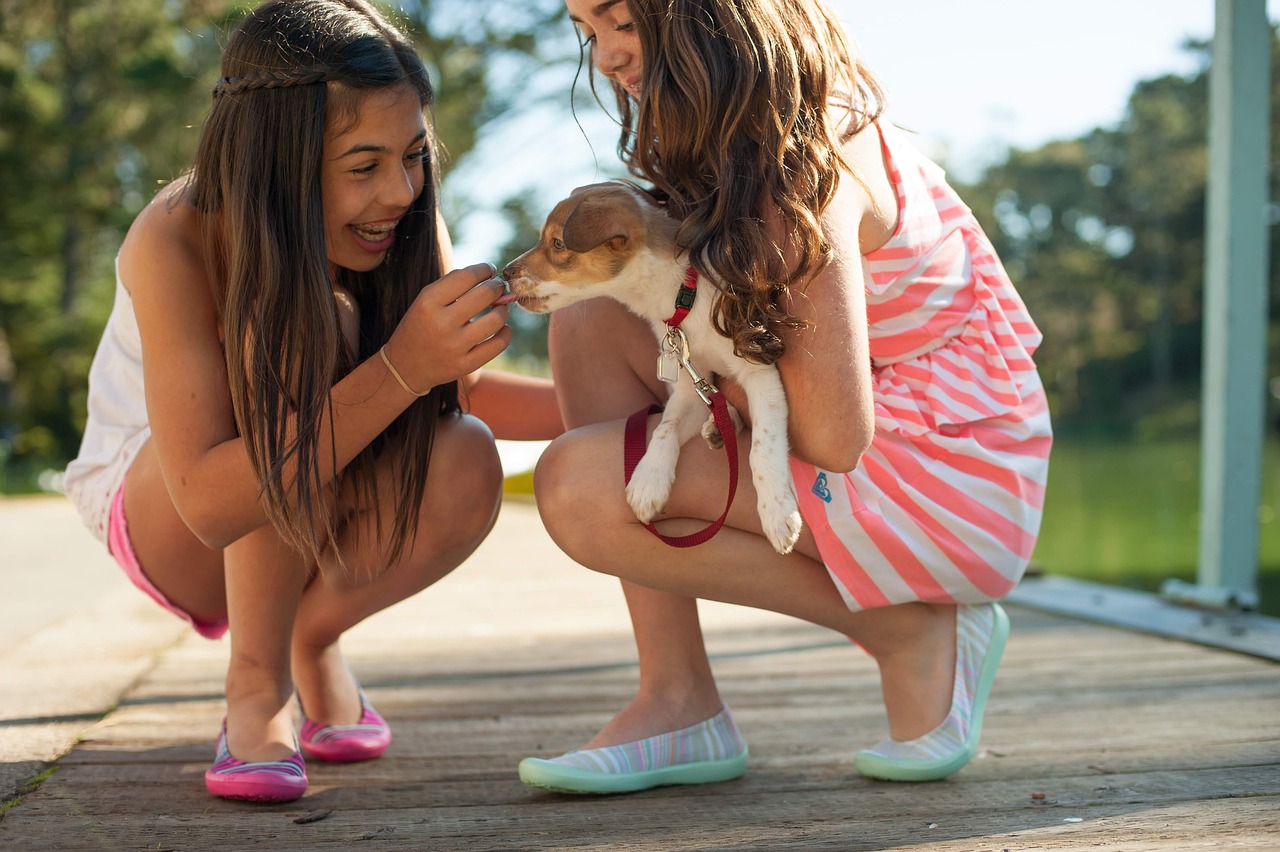

Incorporating Socialization into Leash Walks
Leash training is fundamental for dog owners, promoting discipline while fostering strong relationships. Additionally, embedding socialization into these sessions is equally important. Socialization helps dogs become well-adjusted and confident, reducing anxiety and aggression. To start, think about where you will walk. Choose environments where your dog can encounter different sights, sounds, and smells. Local parks are ideal as they often present diverse stimuli. Gradually increase distractions in these areas to see how your dog reacts. Another key element involves timing your social interactions. When other dogs or people approach, reward calm behavior with treats or praise. This encourages positive associations with new experiences. Ensuring that your dog feels safe and secure is paramount. If your pet seems overwhelmed, decrease the intensity of situations, allowing them to acclimate at their own pace. Always keep your training sessions positive. Use enthusiastic tones and rewards. Moreover, observe signals from your dog, adjusting as needed. Remember, every dog is unique, requiring tailor-made socialization strategies. This adaptability fosters a more enriching leash training experience, creating a harmonious bond between you and your furry friend, enhancing walks for both of you.
Continually assess your dog’s comfort zone during walks as you incorporate socialization techniques. If your dog shows signs of hesitation or stress, it may be time to readjust your approach. Start with controlled encounters, allowing your dog to meet one other dog at a time. This helps reduce potential over-stimulation. Focus on gradual exposure, starting with distant observations. For example, if you notice another dog approaching, maintain a comfortable distance initially. Encouraging calm behavior at this distance can build their confidence. Gradually decrease the distance as your dog becomes more acclimated. Use treats liberally to encourage positive interactions and reinforce good behavior. It’s equally essential to take note of your surroundings, being aware of other dogs and people nearby. Always prioritize your dog’s safety. If a situation feels overwhelming, calmly redirect your dog’s attention and move away. Consistency is crucial in this training. Repeat these socialization efforts regularly, helping your dog learn to enjoy interactions with other dogs and people. Leash walks should be both enjoyable and fulfilling, providing positive reinforcement for your dog, ultimately leading to a richer training experience that enhances your bond.
Additionally, integrating basic commands during socialization enhances leash training effectiveness. Commands like “sit” or “stay” provide moments of focus amid distractions. Practicing these commands before allowing interactions with other dogs or people helps establish control. This technique grants your dog a clearer understanding of what is expected during these situations. Always reward compliance with treats and praise. Gradually introduce interaction scenarios only when your dog successfully responds to commands. Importantly, don’t forget the power of play. Arranging playdates can serve to boost your dog’s social skills. Setting up these encounters with familiar canine friends can build confidence. Ensure these playdates are low-pressure; keep them short and enjoyable. Also, observe your dog with other pets. Learning from their communication styles fosters better adjustment to unfamiliar dogs. Sticking to a routine during walks aids in setting clear expectations. Regularly chosen routes can help your dog anticipate social encounters, preparing them mentally. The goal is to instill confidence and resilience through positive experiences. Properly managed, these strategies foster both enjoyable walks and calm, socially adept dogs, leading to happier strolls and enhanced overall behavior.
Understanding Your Dog’s Behavior
To effectively incorporate these socialization techniques, understanding dog body language becomes essential. Recognizing what your dog communicates through posture and facial expressions can vastly improve training outcomes. For instance, a wagging tail often signifies happiness, yet its position matters. A high, fast wag could suggest excitement, while a low wag may indicate uncertainty. Moreover, pay attention to your dog’s ears and eyes. Ears erect and forward can imply curiosity, whereas ears back may indicate fear or insecurity. Building awareness of how your dog feels amidst these external stimuli promotes more tailored social experiences. Additionally, practice patience and flexibility during outings. Dogs are sensitive creatures, requiring time to adjust to their environment. When encountering something unexpected, give them space to decompress. Allowing them to sniff and explore at their own pace fosters comfort and confidence. Continuously providing plenty of praise and positive reinforcement builds eagerness in your dog to engage with the world. Using play as a reward for good behavior during walks further solidifies this bond. Engaging them lovingly ensures they become comfortable during socialization, leading to well-rounded and sociable dogs.
Furthermore, enhancing a dog’s socialization during leash walks necessitates gradual exposure to various situations. Initially, limit interactions to just a few moments, then slowly extend these engagements over multiple walks. This incremental increase allows your dog to acclimatize without feeling overwhelmed. As they become familiar with various environments, consider diversifying the types of spaces visited. Urban areas, nature trails, and quieter streets can present different stimuli that enrich the experience. Varying locations cultivates good behavior as they learn to adapt to changes. In addition, inviting friends or family members during these walks can help provide a safe social network. Their presence can offer a sense of security as your dog learns to approach strangers. Ensure that visitors understand how to interact positively with your dog. Set expectations for greetings and interactions before setting out. Remember, fostering friendly behavior in your dog lays the groundwork for well-behaved outings. Success often relies on the owner’s positive energy and control during these encounters. As a result, making leash walks enjoyable strengthens your dog’s adaptability while building a more enjoyable walking routine for both of you.
On a different note, managing leash-reactive behavior is vital for implementing effective socialization techniques. Dogs exhibiting reactivity may become overly excited or anxious around other dogs or people. This can lead to pulling and lunging, causing stress for both the owner and the pet. Begin by identifying triggers that provoke such reactions. For instance, is it another dog, an unfamiliar sound, or a certain type of person? By understanding specific triggers, it becomes easier to prepare for varied interactions while gradually desensitizing your dog to them. Working with a professional dog trainer can also offer structured strategies to lessen reactivity. These trainers can provide insights on how to use counter-conditioning techniques, teaching your dog to focus on you rather than distractions. Timing is critical when employing positive reinforcement when your dog maintains focus and control. Ultimately, avoiding situations that provoke overreactions can help you progressively work on socializing in a calm manner. Eventually, the goal is to develop a well-socialized dog that enjoys every leash-walk experience without the stress of undesirable behaviors, leading to a relaxed environment.
Conclusion: A Holistic Approach to Leash Training
To conclude, incorporating socialization into leash training creates a positive experience that fosters strong relationships between dogs and their owners. Always prioritize each step, from gradual exposure to reinforcing positive behavior, ensuring your dog feels secure and confident. Effective leash walks encompass more than simply controlling movement; they are opportunities for enriching social encounters. By choosing varied environments, understanding body language, and employing positive distractions, owners can transform dreaded walks into enjoyable adventures. Consistency and patience are essential in developing well-rounded dogs that thrive in diverse situations. Additionally, integrating basic commands during social experiences provides clarity and structure that enhance training efforts. Playdates with familiar pets further enhance understanding and boost confidence amongst dogs. Also, managing reactivity ensures a more pleasant experience for both dogs and owners. Remember that each dog is unique; tailor socialization methods to suit individual needs while building social confidence. Overall, continuous engagement leads to successful leash training, transforming everyday outings into rewarding experiences. Thus, training sessions become joy-filled moments of exploration and bonding, resulting in more exceptional life quality for dogs and their owners astonishingly.
Be sure to revisit consistent strategies as needed, fostering positive behavioral outcomes. With the proper focus on socialization during leash walks, both dog and owner will relish in these beneficial moments together. Continued efforts toward progress ensure a stable relationship and a harmonious connection with the canine companion. Everyone will succeed in creating not only a well-trained dog but a joyfully enriched experience through optimized leash training, paving the path to mutual understanding and respect in each other’s company.