
The Impact of Fear on Dog Aggression During Socialization
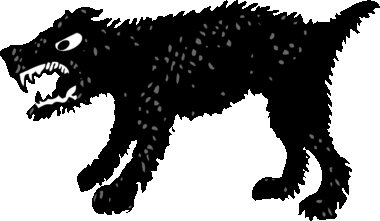
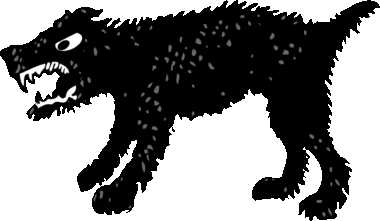
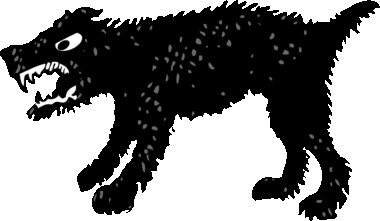
Dog socialization is crucial for a well-behaved pet. However, aggression during socialization often roots from fear. When dogs feel scared, their instinctive reaction is to protect themselves, leading to aggression. This behavior can manifest as growling, barking, or even biting. Fear can be triggered by various factors like unfamiliar environments, loud noises, or other dogs. Socializing a fearful dog requires patience and understanding. Owners should identify specific triggers and create positive experiences associated with them. Proper exposure helps dogs learn there is nothing to fear, reducing aggressive tendencies. The goal is to build a dog’s confidence through gradual introductions and positive reinforcement. Owners should start with low-stress situations, allowing dogs to acclimate slowly. It’s essential to monitor body language signs in dogs that indicate anxiety or fear. The role of a trainer or behaviorist can also be beneficial if aggression escalates. Interventions may include desensitization techniques, counter-conditioning, and socialization with calm dogs. This systematic approach helps mitigate fear-driven aggression. With time, a well-socialized dog becomes comfortable in various environments, leading to better behavior overall.
Recognizing Signs of Fear in Dogs
To effectively manage dog aggression, recognizing the signs of fear is paramount. Dogs often exhibit subtle signals that indicate they are uncomfortable. Common signs include cowering, tail tucking, avoiding eye contact, and a lowered body posture. Additionally, dogs may also display more obvious signs, such as barking excessively or snapping when feeling threatened. Owners should be observant and learn these cues to intervene timely. By acknowledging these signs, owners can create a safer environment for socialization. An effective strategy is to implement calming techniques, such as using treats or toys to distract and redirect the dog’s focus. Providing a safe space allows the dog to feel secure. Understanding individual triggers is part of responsible ownership. Fear responses can vary widely from one dog to another. Therefore, utilizing training methods tailored to each dog’s needs is crucial to reducing aggression. Consider seeking assistance from professional trainers for dogs with significant fear issues. They can provide tools and techniques suited for specific situations. Remember, patience is essential; aggressive behavior often diminishes with consistent, positive reinforcement training.
Another factor that influences aggression is the social environment in which a dog is raised. Proper puppy socialization should occur early, ideally between three to sixteen weeks of age. This period is critical for emotional and behavioral development. Puppies that meet various stimuli, including different dogs and people, are less likely to react aggressively later. A lack of early socialization can lead to heightened fear and anxiety during encounters with unfamiliar beings. Early and controlled interactions with emotionally stable dogs help create positive experiences. As these puppies grow, they learn to navigate social cues effectively, resulting in relaxed and friendly canine relationships. Owners should prioritize organized puppy classes or playgroups. These settings provide a chance for positive experiences in a safe environment. It’s advisable to avoid exposing puppies to overly aggressive dogs or chaotic environments during this crucial time. Proper guidance combined with ongoing, positive experiences can change a dog’s perception of the world. Eventually, well-socialized dogs not only become more confident but also less likely to display fear-driven aggression. Understanding and facilitating this process fosters happier, healthier social interactions for both the pet and owner.
Training Techniques for Fearful Dogs
Addressing aggression in fearful dogs necessitates specific training techniques that can foster a sense of security. Positive reinforcement is one of the most effective methods in this context. This approach rewards desired behaviors, encouraging dogs to repeat them. When a dog displays non-aggressive behavior in a potentially fearful situation, providing treats or praise reinforces those behaviors. Gradually exposing the dog to fear-inducing stimuli while maintaining a calm demeanor is essential. This can include controlled meetings with other dogs or exposure to emerging stimuli. Ensure that the exposure is brief initially, allowing the dog to retreat when feeling overwhelmed. Over time, this technique builds tolerance and resilience against fear. Another helpful method involves desensitization, where the dog is gradually introduced to fear-triggering elements at a level they can tolerate. Increasing the intensity over time encourages adaptation to the stimulus without resulting in a panic response. Owners can partner with trainers specialized in fear-based aggression for tailored strategies and ongoing support. Becoming proactive in training fosters healthy relationships that ultimately lead to greater success in socialization experiences.
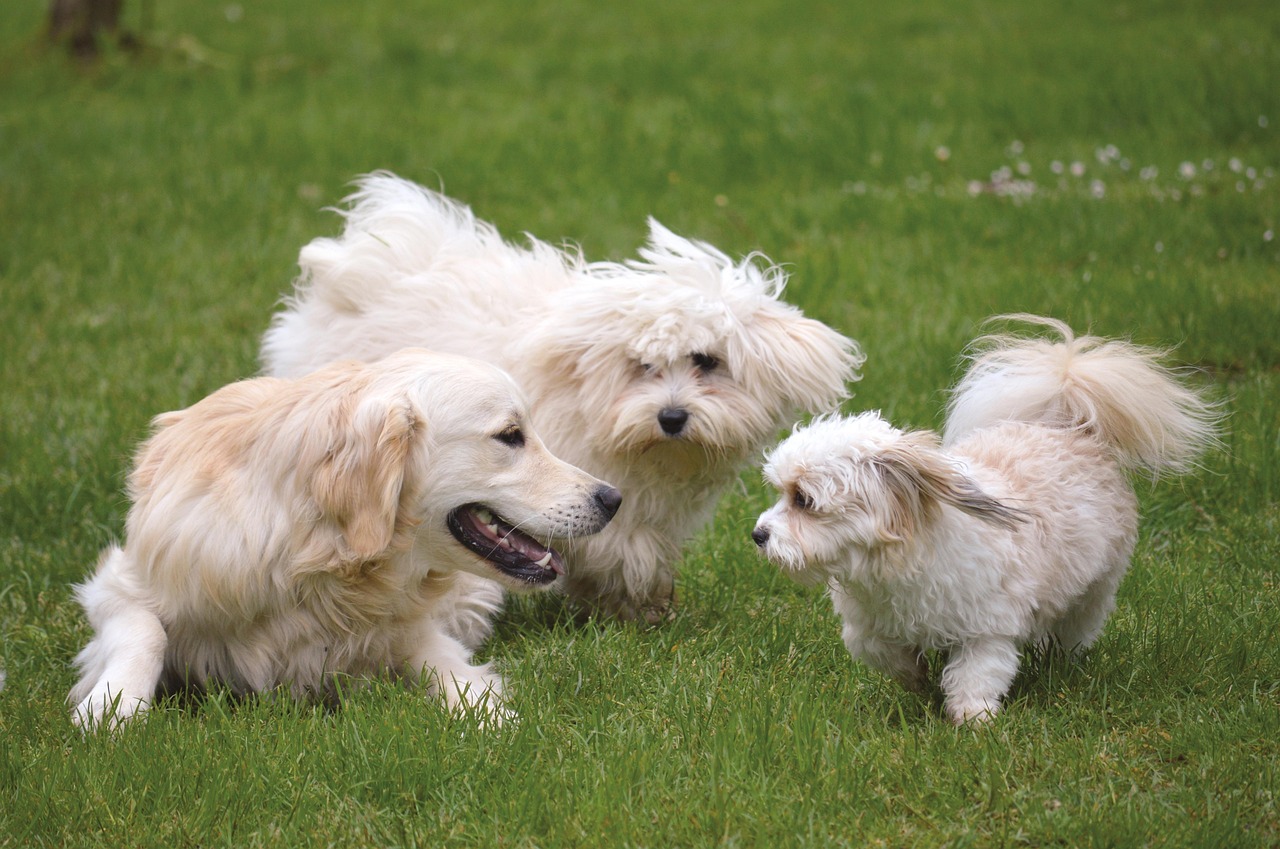
Socialization is multifaceted, requiring an understanding of timing and pacing. It’s vital not to rush the process, as forcing interactions can exacerbate fear. Instead, set achievable goals for each socialization session, ensuring they remain positive. It’s ideal to start with a calm dog that will not overwhelm the fearful pet. Uncontrolled introductions can lead to a negative experience that fosters aggression. Choose quieter environments for early interactions to maintain focus and facilitate comfort. As confidence builds, gradually introduce more challenging situations, including larger groups of dogs or unfamiliar humans. The correct approach emphasizes quality over quantity, ensuring that meaningful connections are made. Dogs thrive on routines, so establishing a consistent socialization schedule can promote predictability. Throughout the process, celebrate small successes, reinforcing desired behavior with praise or treats. Assess progress regularly to determine the effectiveness of the techniques employed. If progress stalls, reassessing the approach is crucial to ensure effective training strategies are employed adequately. Providing ongoing support and ensuring the dog feels secure fosters permanent behavioral change. A well-socialized dog not only exhibits confidence but also significantly reduces aggression during social encounters.
The Role of the Owner in Socialization
Owners play an instrumental role in guiding their dogs through social experiences. Their attitudes and reactions can significantly influence the outcomes of socialization efforts. For instance, an anxious owner may inadvertently signal fear to their dog, worsening the situation. Calm, assertive leadership is essential when managing fearful behaviors. Learning effective communication methods enhances the dog’s trust in their owner. Education and awareness of dog behavior, aggressiveness indicators, and body language are vital. Owners should also remain patient and not push the dog too quickly through the process. Taking breaks when needed allows the pet to regroup and stay confident. Demonstrating calmness through voice and body language creates a more relaxed atmosphere. Often, owners are encouraged to form support networks with other pet owners facing similar challenges. Sharing experiences and solutions can greatly enhance learning and resilience. Overall, a united approach ensures that dogs develop positive social skills through regular practice. Engaging consistently through enjoyable activities mitigates anxiety and fosters successes. This shared journey builds stronger bonds between pet and owner, ultimately leading to a more gratifying experience for both parties.
Creating positive experiences during socialization ultimately helps mitigate fear-driven aggression over time. Gradual exposure, consistent reinforcement, and patience are key elements in this complex process. Celebrating victories, no matter how small, serves as motivation for both dogs and owners. Regular sessions allow dogs to recover from challenging experiences while progressing towards successful social interactions. When building trust between dog and owner, it’s essential to remain aware of any signs of distress, adjusting strategies accordingly. Consistent encouragement shapes a dog’s perception of their environment positively, reducing anxiety overall. While the journey may require time, the reward of seeing your dog thrive in social settings is invaluable. Ongoing vigilance can instill more profound confidence in the dog, enriching their daily experiences. Owners should also consider engaging in training classes or seminars, enhancing their knowledge and practical strategies in dog behavior management. Building a community of support fosters ongoing learning for both pets and their owners. Over time, positive experiences resultant in reduced aggression lead to a well-adjusted dog that can interact peacefully with others. The improvement in behavior ultimately creates the foundation for healthier socialization and happier life overall.
Conclusion: Long-term Effects of Successful Socialization
Successful socialization therapies and training not only reduce fear-based aggression but also yield long-term benefits for dogs. A well-socialized dog is typically happier and experiences lower stress levels. They are less prone to behavioral issues, and they enjoy a fulfilling interaction with humans and other dogs. The groundwork laid in these early training sessions has lasting implications. Investing time and energy into socialization is crucial for both dogs and owners. Engaging in community events or dog-friendly gatherings supports ongoing learning and socialization. The more responsible pet ownership practices are enforced, the healthier bonds will develop over time. Alongside promoting well-being, the reduction of aggression results in a safer environment for everyone involved. Remember, socialization does not stop after completing initial training; it’s a lifelong journey requiring recurring practice. Regularly introducing new situations and environments ensures continued adaptation and confidence. The relationship built through this process significantly enhances the life quality of both pets and their owners. Continuing to champion a calm, positive mindset fosters an inviting atmosphere for growth. In the end, the result of dedicated efforts to socialize dogs brings lasting satisfaction and joy to daily interactions.