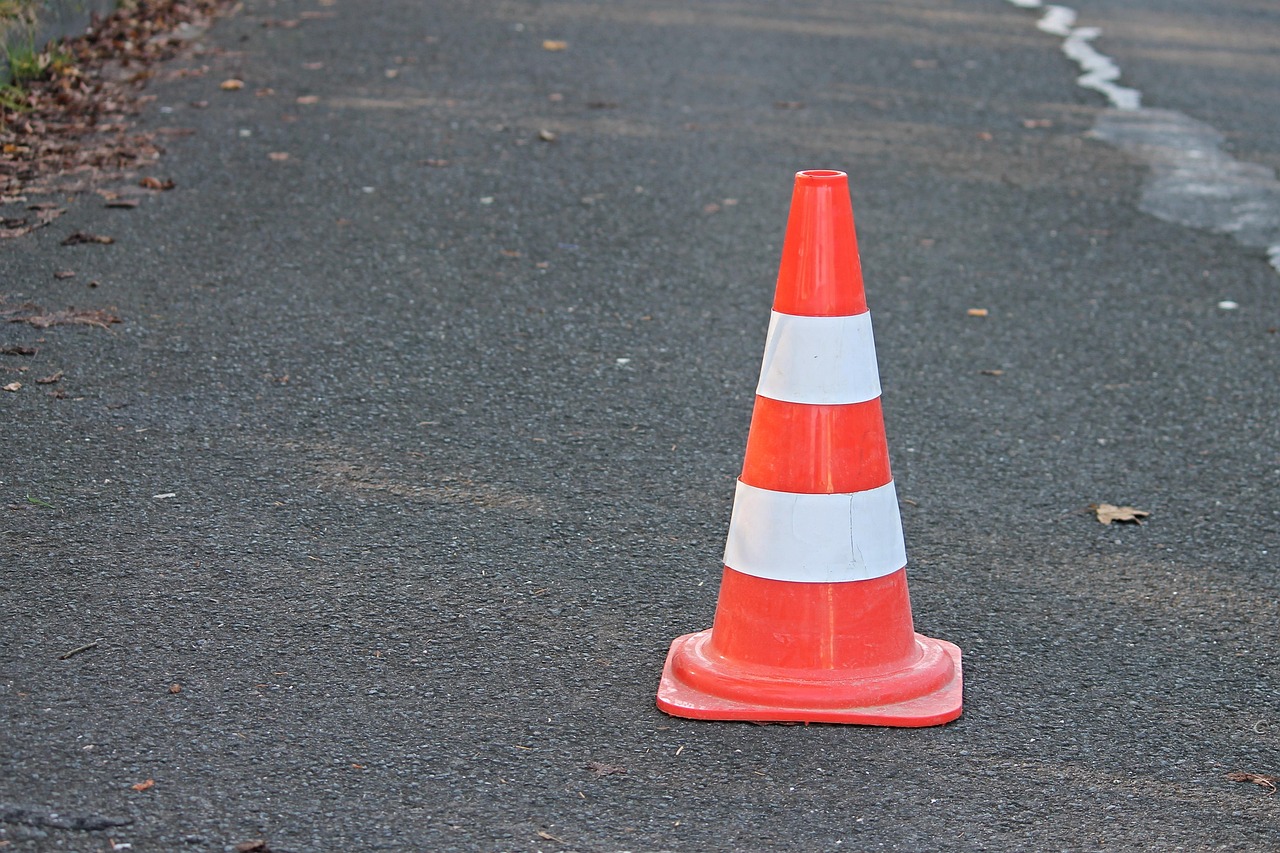

How to Store and Transport Dog Training Cones Efficiently
Dog training cones are essential tools for various training exercises, helping to improve your pet’s agility and focus. However, without proper storage and transportation, these cones can become a hassle. First, invest in a durable storage bag that accommodates the size and number of cones you own. A bag with sturdy handles makes it easier to carry them around. Additionally, look for a bag that offers protection against weather and environmental factors, as this preserves the longevity of the cones. Consider color coding your cones based on their use, which can aid quick identification during training sessions. When placing cones in the bag, stack them with the widest part at the bottom to maximize space. If your training cones are not stackable, you could also utilize a designated area at home for keeping them organized. Create a checklist for your training supplies, ensuring you never leave essential cones behind. This step enhances your preparation process and reduces frustration. Keeping your storage area neat will also create a more enjoyable training experience. Regularly inspect your cones for damage, ensuring you maintain a high standard of training equipment.
Organizing your dog training cones efficiently requires a systematic approach. One effective method is to utilize an open storage unit or rolling cart that can be positioned near your training area. By doing so, you’ll ensure quick access to your cones whenever training sessions arise. Label the storage compartments clearly, so it’s easy to find the cones when you need them. Make a habit of returning the cones to their designated spots after every training session. This practice not only keeps the training area clear, but also helps maintain your organization system. Moreover, consider hanging smaller cones on hooks within storage closets or garages. Utilizing vertical space can free up room while preventing damage to your cones. If you often transport your cones to different locations, consider investing in collapsible cones that are easy to store and carry. Stick to a routine of checking your transportation system for wear and tear, ensuring the checklists remain current. Additionally, make storage solutions engaging for your dog, potentially including them in the organizing process, which may strengthen your bond and improve training outcomes.
Best Practices for Transporting Dog Training Cones
When it comes to transporting dog training cones, employing best practices ensures your training experience is seamless. Firstly, assess the number of cones required for each training session. By doing so, you avoid carrying unnecessary equipment, which simplifies transport. Ensure that your transport system is stable and organized; using a sturdy container could be a valuable decision. A lightweight crate or storage box works effectively, making it easy to move from one location to another. If traveling by car, be conscious of where you store the cones to prevent rolling or damage. Padding the storage box with old blankets or towels can provide additional protection. For long-distance events, securing your cones with straps can prevent them from shifting during transit. Moreover, if participation in outdoor training sessions at parks is routine, consider investing in easy-to-carry, portable cones. They take up minimal space yet are highly functional. Ensure each outdoor session includes an easy breakdown and set up routine, further streamlining the transport process. Ultimately, planning transportation logistics saves time and energy, allowing you to focus on your dog’s training.
Another critical factor in efficient transport is planning for different environments. Adapting your preparation based on where the training will occur can make a notable difference. For instance, take extra caution during rainy weather, as wet cones may become slippery and hazardous. Ensuring proper drying before storing is crucial to enhance safety. Additionally, if training in remote locations, consider packing a small toolbox with maintenance supplies, allowing for quick fixes in case of damage. Use this toolbox for small repairs and adjustments while you are out, which could prove invaluable. Keep a first aid kit handy for any unforeseen circumstances during training. It’s also wise to carry water bottles for both you and your dog to stay hydrated. Another aspect to enhance transport usability is employing different colors of cones for varied training purposes. This allows for easy identification and saves time when setting up. Responsible dog ownership means considering both your training philosophy and the necessary logistics. This versatility in functionality aids not just in training but also in transporting your equipment effectively to diverse locations.
Maximizing Space with Innovative Storage Solutions
When exploring storage solutions, the goal is to maximize your space while keeping your dog training cones organized. Consider using stacking bins, which save vertical space and keep your cones from cluttering other areas. Each bin can be designated for specific training types or styles, helping to maintain an organized layout. Additionally, folding cones or those made of flexible materials can provide alternatives that take up less space. As many dog owners engage in multiple types of training sessions, investing in such cones makes transporting and storing much more efficient. Another innovative solution involves wall-mounted storage solutions. Installing hooks or racks can free up floor space and offer easy access to your cones whenever you need them. It’s easy to grab cones off the wall, especially during hastily organized training practice. Use clear bins to allow visibility of contents, which can greatly assist in choosing the right cone quickly. Proper presentation of your training equipment can also elevate your overall training experience and prepare you psychologically before sessions start. Hence, selecting strategic storage solutions can provide immense benefits beyond mere organization.
Maintenance of your dog training cones is an aspect often overlooked in discussions about storage and transportation. Regular maintenance enhances the longevity of your equipment. Begin by cleaning your cones with soap and water, ensuring all dirt and debris are removed after each use. This preserves the integrity of the materials and prevents degradation over time. As part of your routine, inspect them for any signs of damage or wear, remembering that proactive care is key. If a cone shows signs of wear, consider repairing or replacing it immediately to avoid compromised training sessions. Maintain a checklist of inspection points for cones and other training equipment and update it regularly. This checklist can assist in organizing your storage approach and implementing preventative measures. Additionally, store your cones indoors when not in use to protect them from harsh weather conditions. If outdoor training is necessary, schedule regular checks based on usage frequency. Overall, ensuring each component of your training equipment is in its best shape fosters a more productive training atmosphere, positively impacting your dog’s learning process.
Conclusion: Streamlined Settings Enhance Training
Creating an efficient storage and transport system for dog training cones can drastically enhance your training effectiveness. When everything is streamlined, both dogs and trainers can focus entirely on what matters: the training itself. Make this effort sustainable by involving family members or friends in the organization process. Engaging your dog in the pack mentality encourages teamwork and sets a positive example while ensuring they feel an important role in preparations. Experimenting with various storage solutions yields results unique to everyone; find what works best for your needs. Keeping your training area tidy cultivates motivation and enhances concentration. Trained dogs excel in environments that encourage focus, and organized supplies contribute significantly to that. Every detail matters, and understanding your dog’s needs alongside your equipment capabilities can enhance the experience. As you navigate the world of dog training, consider these storage and transport tips part of your routine. The payoff comes in knowing that you have set up optimal conditions for successful training sessions. Finally, ensure joy accompanies every aspect of training, leading to stronger bonds between you and your canine companion.
In summary, the journey of creating an organized dog training environment starts with your training cones. By implementing effective storage solutions, enjoying an organized method for transport, and maintaining regular upkeep, you can provide optimal spaces for you and your dog. Remember, the right tools transform the training endeavor into a fulfilling exchange between you and your pet. Translate these organizational strategies into actionable practices today. This proactive approach can pave the way to more effective training sessions, ultimately fulfilling both your and your dog’s potential. Share these strategies with other dog owners to foster a community of well-organized trainers. With mutual support, new ideas flow, and more efficient approaches surface, making collective training journeys engaging and productive. Moreover, stay current with the latest innovations in dog training equipment, as the market is ever-evolving. These advancements further inform your practices, ensuring you benefit from the best available tools to develop unique training pathways. Overall, enriching your methods leads to improved experiences not only for dogs but also for pet owners. Your emphasis on organization cultivates an atmosphere of confidence, excitement, and achievement while training together.