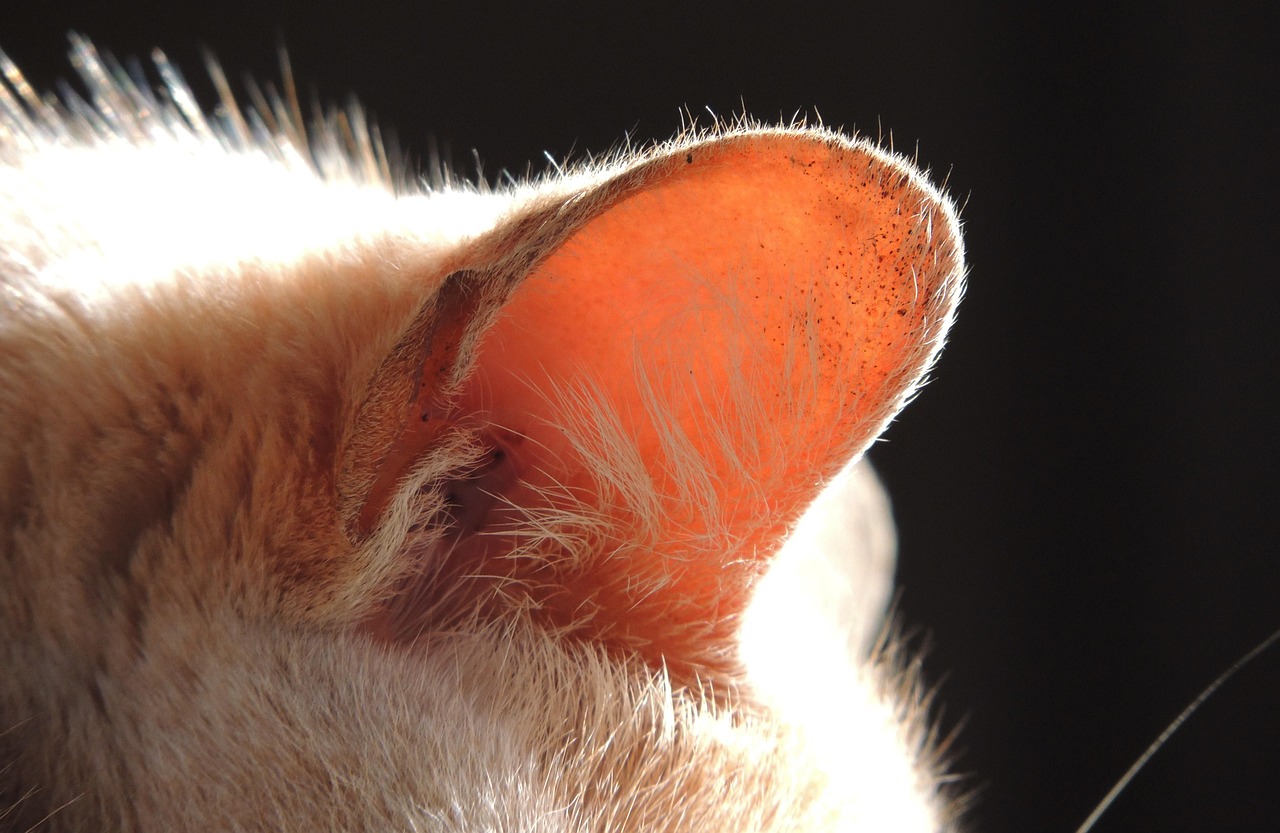

Why Do Cats Get Ear Mites? Causes and Risk Factors
Ear mites are tiny parasites that can infest your beloved cat’s ears, causing discomfort and irritation. These parasites, scientifically known as Otodectes cynotis, are exceedingly common among felines. When cats interact with infected animals, such as strays or other pets, they are at significant risk of transmission. Ear mites thrive in unsanitary conditions, making it essential for cat owners to maintain a clean living environment. The microscopic size of these pests allows them to escape detection, complicating diagnosis. Moreover, ear mites may lead to secondary infections due to excessive scratching. Understanding the factors contributing to your cat’s susceptibility to ear mites is vital for effective prevention and treatment. Environmental stressors, including overcrowded living conditions, also increase the likelihood of infestation. Additionally, age plays a role, as younger cats may not have fully developed immune systems. If left untreated, these mites can result in severe health issues beyond mere ear discomfort, including potential hearing loss. Regular veterinary check-ups help in the early detection of ear mites, promoting your cat’s long-term health.
One key factor that contributes to ear mite infestations is poor hygiene. Cats that venture outdoors are more susceptible to contracting these pests from other animals. When they groom themselves, they can inadvertently introduce ear mites into their ears. Cats that share spaces with multiple pets, such as shelters or multi-pet households, face heightened risks for infestations. The earring of ear mites leads to excessive scratching, resulting in ear canal injury and possible infections. Identifying whether your cat has ear mites involves observing specific signs such as ear discharge, scratching, and head shaking. Besides irritation, the substance often resembles coffee grounds and can be alarming to observe. In some cases, ear infections that develop concurrently can aggravate the situation, complicating both diagnosis and treatment. An experienced veterinarian can perform a thorough examination to confirm ear mite presence through microscopic evaluation of ear debris. Prompt treatment is important to alleviate symptoms and prevent further complications. Addressing underlying health issues can significantly reduce your pet’s vulnerability to ear mites, enhancing their overall well-being.
Environmental Factors Influencing Ear Mites
Environmental factors play a crucial role in the likelihood of cat ear mite infestations. Cats living in crowded conditions, such as animal shelters or multiple pet households, are at an increased risk due to the close proximity of animals. Stress-related behaviors can lead to a lower immune response, making these cats more susceptible. Moreover, environmental cleanliness impacts the spread of parasites, as mites thrive in dirty conditions. Regularly cleaning your cat’s living area can significantly lower their chances of dealing with these pests. The acquisition of adult mice or other small mammals for play may expose your cat to ear mites, so owners should be cautious. Outdoor exposure is another risk, as feral cats often serve as carriers. Observing your cat’s behavior is crucial; if frequent scratching begins, prompt action is necessary. Given that ear mites can spread rapidly among pets, isolating an infected cat promptly after detection is advisable to prevent widespread infestations. Regular veterinary visits can guide owners in monitoring their cats, ensuring they remain in optimal health while combating ear mite risk factors effectively.
In addition, specific breeds may have varying susceptibility to ear mites. Long-eared cat breeds are often more prone to infestations because their ear structure can trap debris and moisture, creating an ideal environment for mites. Regular inspections of the ears in these breeds are essential to spot potential problems early on. Higher stress levels in cats can also weaken their immune systems, making them more vulnerable to infections. It’s essential to minimize stressors in your cat’s environment, such as sudden changes in routine or the introduction of new pets. Additionally, age can influence vulnerability; young kittens are more susceptible due to immature immune systems. For these reasons, keeping their environment enriched yet calm is paramount. Proper nutrition is another significant factor, as a balanced diet boosts immunity and overall health. A healthy cat is generally more resilient against infections and infestations, including ear mites. Regular grooming practices contribute to your cat’s hygiene and allow you to check for signs of issues early on. Being proactive about your cat’s health can prevent ear mite infestations and other health complications from developing.
Signs and Symptoms of Ear Mites
Recognizing the signs and symptoms of ear mites in your cat is crucial for effective treatment. To begin, you might notice your cat vigorously shaking its head or scratching its ears frequently. These behaviors indicate discomfort and an itchy sensation caused by the presence of mites. Affected cats may exhibit red or inflamed ears resulting from excessive scratching. An unpleasant odor may also emanate from the ears, often accompanied by a dark, coffee-ground-like discharge. Carefully observing these indicators can assist in early detection, which is essential for successful treatment. Sometimes, the irritation can lead to ear infections, further complicating recovery. If you suspect ear mites, consult a veterinarian for an accurate diagnosis. Diagnostic methods often include a microscopic examination of ear discharge. Treating ear mites usually involves prescribed topical or systemic medications. Specific medications are effective in eliminating these parasites and alleviating symptoms. However, it’s worth noting that these treatments may take time to show results, emphasizing the importance of patience and follow-through. Regular follow-ups with your veterinarian can help ensure the treatment is effective and your cat remains healthy.
Furthermore, prevention is often more effective than treatment when it comes to ear mites. Regular grooming and ear inspections can make a significant difference in maintaining your cat’s ear health. Using a gentle cleaning solution recommended by your veterinarian can help eliminate potential debris that might attract mites. Keeping your cat’s environment clean ensures that they are less likely to come into contact with these pests. Minimizing exposure to outdoor cats can further decrease the risk of your cat contracting ear mites. Engaging in frequent veterinary check-ups enables you to address health issues proactively, allowing early detections of potential risks. For multi-pet households, it’s wise to monitor all pets for signs of ear mites, as infestations can spread quickly among animals. Moreover, maintaining a sanctuary-like atmosphere helps reduce stress on your cats, enhancing their overall health. Combining these preventive measures creates a multi-faceted approach, reducing the likelihood of ear mite infestations and ensuring long-term well-being. Empowering yourself with knowledge on ear mite prevention can improve your cat’s quality of life significantly.
Treatment Options for Ear Mites
When addressing ear mite infestations, several effective treatment options are available to consider. The foremost step involves consulting with a veterinarian for proper identification and diagnosis. The veterinarian may recommend topical treatments, such as mite-killing ear drops or ointments, specifically designed to eliminate these parasites. Typically, treatment regimens span a few weeks, with applications repeated for maximum effectiveness. For severe cases, oral medications may be prescribed to complement topical treatments and ensure thorough eradication of mites. It’s crucial not to skip doses, as this may prolong the infestation and cause further health issues. Additionally, regular ear cleaning during treatment aids in the removal of debris, enhancing the effectiveness of medications. After the completion of treatment, regular follow-ups with your veterinarian ensure that no remaining mites are present. In some cases, secondary infections may require additional medications, such as antibiotics, to address underlying issues. Thus, addressing ear mites goes beyond mere elimination; thoughtful care ensures overall health remains a priority for your feline friend. Efficient handling of ear mite infestations helps return your cat to a comfortable state of health and happiness.
In essence, caring for a cat involves understanding various risks including ear mites. Every cat owner must recognize the signs of these parasites and what environmental factors may contribute to developing infestations. Knowledge surrounding ear mites extends beyond treatment; proactive prevention and ongoing health checks are essential for maintaining your cat’s well-being. The financial aspect of preventative care is often lower than the cost incurred through prolonged issues caused by ear mite infestations. Staying informed minimizes uncertainty, empowering you to take necessary actions early. Additionally, reinforcing concepts of hygiene and environmental cleanliness not only protects your cat from ear mites but also other parasites or infections. Remember, creating a stress-free environment plays a pivotal role in boosting your cat’s immunity. Comprehensive care involves regular vet visits, balanced nutrition, and enrichment of your cat’s life. By focusing on holistic care and taking preventive steps against ear mites, you establish a foundation for a long, healthy relationship with your feline companion. Ultimately, love and care serve as the cornerstone for your cat’s physical and emotional health, leading to a happy, thriving life.