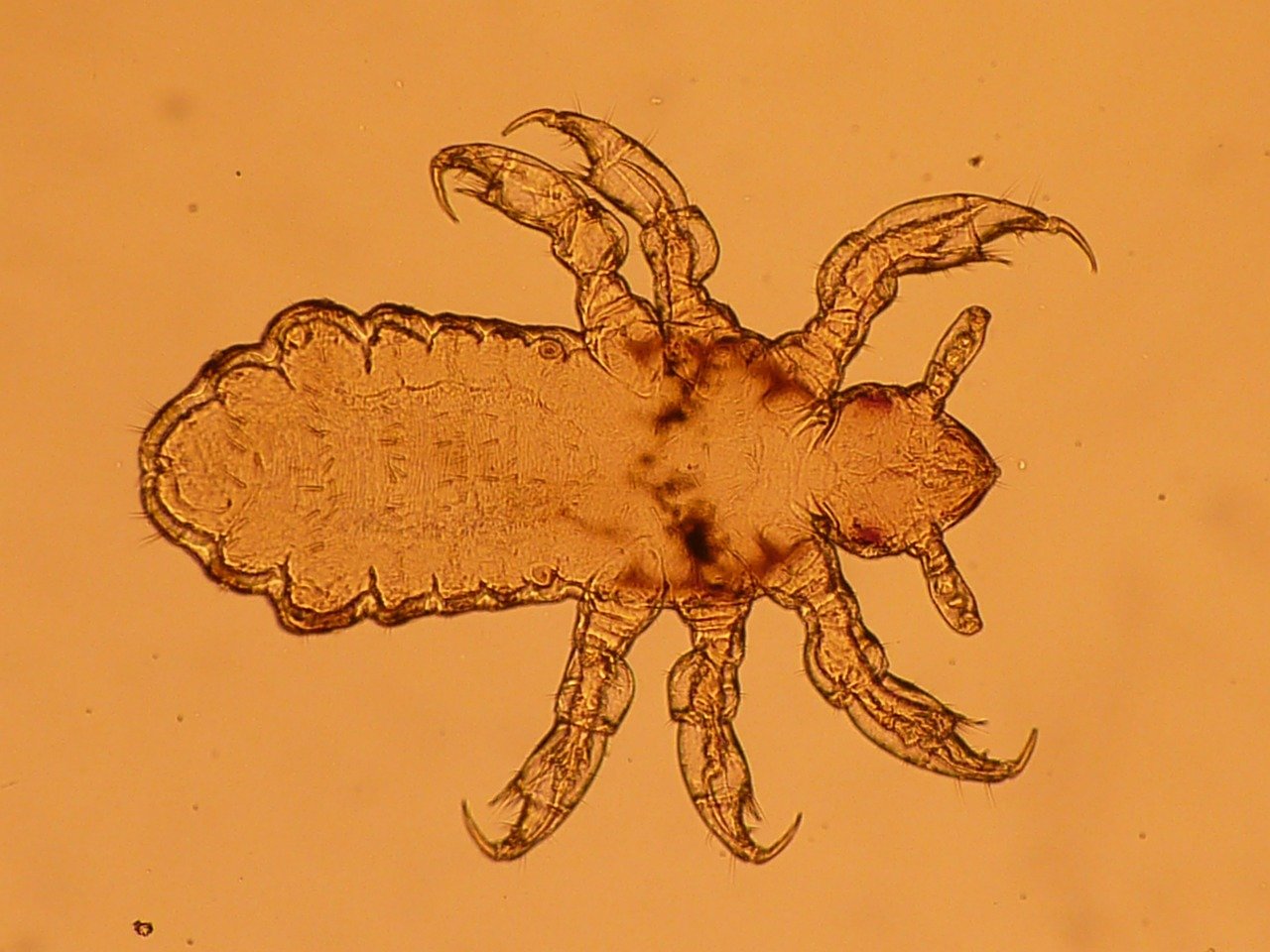

The Impact of Parasite Resistance on Dog Parasite Control Strategies
Parasite resistance patterns in dogs represent a significant challenge for pet owners and veterinarians. Understanding these patterns is crucial in effectively controlling parasite populations. Parasites such as fleas, ticks, and worms are typically the main concerns for dog owners. Over time, some parasites have developed resistance to commonly used treatments, making traditional control methods less effective. There are multiple factors contributing to this resistance, including overuse of certain medications and environmental factors. Frequent and improper application of treatments allows some parasites to survive and adapt. This can result in an increase in parasite populations and can pose health risks to dogs. When discussing parasite control strategies, it is essential to consider these evolving resistance patterns. By evaluating the success rates of previous treatments, pet owners and veterinarians can adjust their strategies accordingly. Furthermore, awareness of local parasite resistance can also contribute towards prevention. Choosing complementary methods, such as environmental management, can supplement chemical treatments to enhance efficacy. Regular consultations with a veterinarian are imperative for developing an effective parasite control plan. Keeping up-to-date with the latest research is crucial for effective dog parasite management.
Examining Current Trends in Parasite Resistance
Analyzing current trends in parasite resistance involves understanding how various environmental factors influence these resistant patterns. Factors like climate change, urbanization, and pet population density all play critical roles. As climate conditions shift, the life cycles and habitats of parasites can adapt, leading to changes in resistance patterns. Urbanization can create environments conducive to parasite proliferation. Busy cities often provide conditions that enable pests to thrive on pets and in surrounding areas. One major concern is that parasite management practices vary significantly among pet owners, resulting in inconsistent treatment application. This variation can contribute to the development of resistance due to uneven exposure to parasite control products. Therefore, public awareness campaigns can help educate pet owners on proper treatment practices and the importance of rotation in deworming medications. Employing methods that integrate natural and chemical control options can mitigate resistance. Additionally, studies on regional resistance patterns can provide invaluable data for targeted treatments. Such collaborative efforts foster community awareness, ensuring better pet health outcomes. The impact of environment on parasite resistance is significant and warrants ongoing research.
Incorporating technology can assist in monitoring dog health and controlling parasites effectively. Wearable tech can provide real-time data on pet behaviors and health indicators. This capability allows owners to respond quickly to signs of parasite infections. Early detection is crucial to preventing the spread of parasites, as many may go unnoticed until symptoms worsen. Mobile applications designed for pet care can track medication schedules, alerts for treatments, and even symptom checklists. Such integration supports a proactive approach to managing a dog’s health. Owners can learn about local parasite prevalence and associated resistance patterns through these applications. Additionally, discovering community resources focused on parasite control enhances the collective fight against parasites. Moreover, tools like GPS trackers can assist in ensuring pets avoid high-risk areas for infestation during outdoor activities. By receiving alerts about detected parasites in their vicinity, owners can take precautionary measures. This integration of technology raises awareness among pet owners and fosters responsible pet care. Overall, leveraging technology in parasite control can streamline the process of tracking, managing, and identifying parasite infections, ultimately leading to healthier dogs.
The role of regular veterinary consultations cannot be emphasized enough in developing effective parasite control strategies. Veterinarians possess current knowledge on parasite resistance trends, enabling them to provide tailored recommendations for each dog’s needs. Pets may require different treatments based on age, breed, and lifestyle factors, hence personalized treatment plans are essential. Owners should schedule routine check-ups, allowing for an assessment of their dog’s health and any potential parasite exposure. These visits facilitate early intervention and prevent the escalation of infestations. Furthermore, regular screening tests can identify the presence of parasites, enabling timely treatment decisions. Veterinarians also play a vital role in educating pet owners about maintaining parasite-free environments. They provide guidance on appropriate control methods, including proper cleaning practices to safeguard homes and yards. These insights can significantly reduce the risk of re-infestation at home. Informing clients about the latest advancements in parasite control treatment options equips them with valuable knowledge. Above all, the collaborative relationship between pet owners and veterinarians is the foundation of successful parasite management.
Emerging research continues to explore innovative approaches to overcome the challenges of parasite resistance. New formulations and alternative treatments are being developed that aim to outsmart resistant strains. For example, combination therapies may help to address resistance by using two or more active ingredients that target parasites differently. This multi-faceted approach increases the likelihood of successfully eliminating resistant populations. Genetic studies on parasites also unveil mechanisms behind resistance, leading to the development of targeted medications. These advancements are crucial for staying ahead in parasite management and ensuring pet health. Additionally, natural remedies are gaining attention as complementary treatment options. Ingredients such as diatomaceous earth and essential oils have shown efficacy in repelling certain parasites. However, these natural products should be used cautiously and in consultation with veterinarians. Combining traditional treatments with natural ones may help diversify approaches, reducing reliance on a single method. Evaluating safety, effectiveness, and resistance mechanisms is paramount when considering new treatments. Staying current with the latest research ensures pet owners adopt optimal parasite control strategies.
Community Engagement in Dog Parasite Control
A strong community engagement fosters awareness and collective efforts in controlling dog parasites. Initiatives such as community pet health fairs can provide valuable resources to pet owners, allowing them to access information and treatments. Organizing educational sessions with local veterinarians can help disseminate important information on managing parasites effectively. Creating support networks with local shelters and rescue organizations can also enhance these efforts. Educating potential adopters about parasite management ensures that animal welfare can be upheld. Collaborating with various stakeholders enhances resource sharing, enabling better education on parasite resistance patterns. Accessible treatment options for low-income pet owners can significantly influence overall community pet health. These initiatives can also lead to the development of local parasite management programs that not only addresses treatment but also prevention and education. Engaging local governments can push for regulations that promote responsible pet ownership and better community health. Promoting outdoor clean-ups in parks and dog areas further prevents the spread of parasites in public spaces. Fostering community-wide awareness concerning responsible pet ownership can significantly impact parasite control and overall dog health.
Ultimately, improving dog parasite control strategies in light of evolving resistance patterns requires a multi-pronged approach. Through active engagement between pet owners, veterinarians, and communities, a robust framework can be established for effective parasite management. Coordinated efforts aimed at education, prevention, and treatment enhance pet health and well-being. Keeping abreast of the latest research fascinates stakeholders involved, ensuring their methods remain current and effective. Regularly updating strategies to adapt to changing environments and regional resistance trends is essential for sustainable control programs. By employing technological advancements, pet owners can more effectively monitor their dogs’ health and potential exposure to parasites. Further, utilizing complementary treatment options alongside traditional methods ensures that veterinary care is thorough and comprehensive. Enhanced communication between veterinarians and pet owners builds trust and confidence, vital for implementing preventive measures. Engaging in community awareness programs shapes a culture of responsible pet ownership, curtailing the prevalence of parasites. It is through these collective efforts that dogs can enjoy improved health outcomes and reduced parasite-related complications.