
Incorporating Agility Training into Search and Rescue Preparation
Incorporating agility training into search and rescue preparation is a critical component for developing a well-rounded rescue dog. Agility training not only enhances physical capabilities but also builds essential problem-solving skills. Dogs trained in agility course work can quickly navigate through various environments, ensuring they remain effective in complex situations. A well-structured agility course can include equipment such as tunnels, ramps, and weave poles. Utilizing these elements, handlers can assess their dog’s ability to stay focused and determined. Such training mimics unpredictable terrain, allowing dogs to adapt to the challenges they might encounter during real-life rescue missions. As an added benefit, agility training promotes a strong bond between handler and dog. This relationship is vital, as trust facilitates communication during critical rescue efforts. When dogs feel and understand their handler’s guidance, they are more responsive. Ultimately, successful agility training improves the dog’s overall performance when involved in search and rescue operations. The combination of physical exercise, mental stimulation, and a strong handler-dog partnership creates a solid foundation for effective and efficient search and rescue work. Investing time in agility training can yield significant results in actual rescue scenarios.
Agility exercises yield several advantages for dogs engaged in search and rescue missions. First, these exercises enhance balance and coordination, vital for navigating obstacles on varied terrain. Second, practicing agility promotes mental sharpness, as dogs learn to process commands and execute movements swiftly. Third, the physical conditioning gleaned from agility work bolsters endurance. This endurance is essential during extended missions in challenging environments. A typical agility workout may push dogs to run, jump, and maneuver quickly, thus improving their fitness levels. Handlers can tailor exercises to suit the abilities and limitations of each dog, ensuring everyone is challenged appropriately. Implementing a structured routine, with a focus on different agility aspects, can accelerate the dog’s development while still maintaining motivation. Additionally, agility training fosters the ability to work without hesitation when faced with unexpected challenges. This swift adaptability can be crucial during time-sensitive rescue operations. Engaging in regular agility practice can also reinforce training, leading to a more obedient and responsive dog. Thus, agility training has the potential to transform an average search and rescue dog into an extraordinary operational companion.
Specific Agility Skills for Rescue Dogs
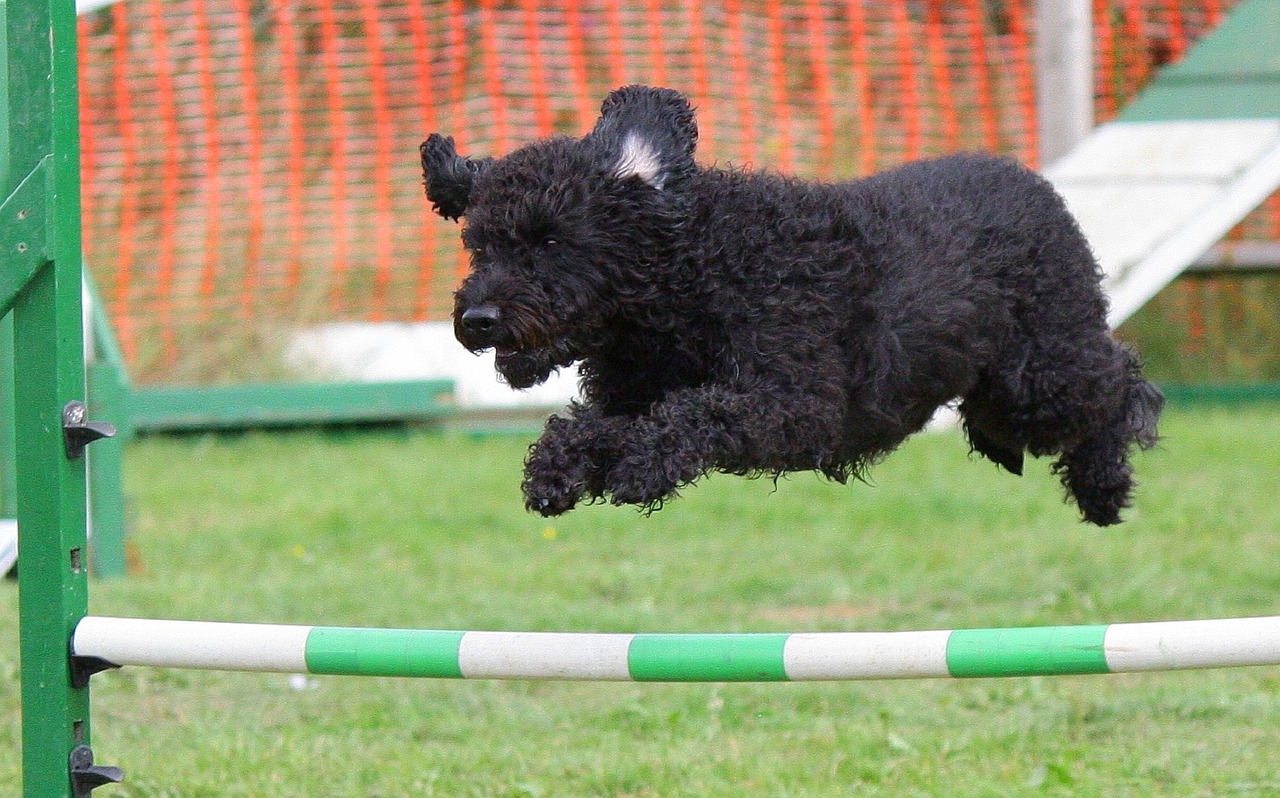
When focusing on incorporating agility training within search and rescue preparation, specific skills must be prioritized. One critical skill is the dog’s ability to jump over obstacles safely. Understanding how to navigate jumps helps build physical strength and confidence. Moreover, dogs trained to weave through poles quickly can boost their agility and speed, vital for navigating through tight spaces while searching for victims. Additionally, balance exercises on beams train dogs to maintain stability when moving on uneven ground, which they often face in search scenarios. Tunnel navigation teaches dogs to approach unknown spaces with courage, fostering problem-solving communication. These specific skills teach the dog how to think independently, which is essential in many rescue situations where handlers may not be immediately available. Conducting regular training sessions that focus on these essential skills can enhance a dog’s ability to work efficiently in high-pressure environments. Moreover, engaging in targeted agility training encourages dogs to work cooperatively with their handlers. This partnership ultimately enables search and rescue teams to operate at their fullest potential.
The role of the handler in agility training cannot be underestimated. Handlers must communicate effectively, providing clear cues and encouragement while the dog navigates the agility course. This communication strengthens the bond between them, fostering confidence in the dog. Handlers should learn various training techniques that align with their dog’s unique needs and learning styles. This understanding of individual dog behavior enables tailored training approaches, maximizing effectiveness. Moreover, handlers must remain patient during the training process; dogs learn at different rates, and consistency is crucial. Regularly practicing agility exercises not only improves physical skills but also allows handlers to reinforce obedience training that is essential in rescue scenarios. Establishing a routine where handlers incorporate agility training can create a well-rounded exercise regimen, contributing to improved behavioral outcomes in dogs. Additionally, sharing experiences with other search and rescue teams can provide new insights and training techniques. Collaborating with fellow trainers enriches the learning experience, ensuring that both handler and dog grow together in their abilities. Ultimately, the investment in a committed handler can significantly influence the effectiveness of agility training in search and rescue contexts.
Real-World Scenarios for Agility Trained Dogs
Real-world scenarios that involve search and rescue operations often require dogs to face a multitude of obstacles. For example, in a natural disaster, debris can create hazardous environments where dogs must navigate scattered materials, steep inclines, and narrow passages. Agility training prepares dogs for these unpredictable conditions by equipping them with the skills necessary to overcome barriers. When dogs have been trained to maneuver through courses, they can efficiently assess situations while searching for individuals in distress. Furthermore, agility training enables dogs to make quick decisions under pressure, ensuring that their response time is reduced. This immediacy can mean the difference between life and death during critical rescue missions. The ability to transmute agility skills from training courses to actual disaster simulations is a testament to the value of such training. Handlers should strive to create scenario-based practice sessions that closely mimic the challenges dogs would face in real life. These experiences reinforce their training, making agility second nature, allowing dogs to focus on the task without being hindered by physical limitations. As a result, agility-trained dogs emerge as invaluable assets during rescue operations.
Incorporating agility training into search and rescue preparation is not merely about physical skills; it’s about fostering a resilient mindset in dogs. Valuable mental traits, such as perseverance, adaptability, and a strong drive to work, can be developed through consistent agility practice. When dogs face challenges within agility courses, they learn to approach obstacles with determination, building resilience. This mental toughness translates into real-world scenarios when they encounter uncharted territories while searching for survivors. Afternoons spent navigating agility courses solidify the foundation upon which a dog’s ability to handle pressure is built. As a result, dogs are better equipped to maintain focus during emotional and traumatic rescue situations. Handlers must incorporate exercises designed to cultivate mental fortitude along their physical skill development. Engaging in a balance of fast-paced agility work, in combination with challenging problem-solving tasks, fortifies the mental aspects of both training and performance. This comprehensive training regimen ensures that dogs maintain clarity and composure, allowing them to excel in search and rescue missions. By emphasizing the mental benefits of agility training, we elevate the overall capabilities of search and rescue teams.
Conclusion: The Value of Agility Training
In conclusion, integrating agility training into search and rescue preparation builds not only physical skills but also vital mental attributes within dogs. The success of rescue operations relies heavily on the teamwork between dog and handler. Through agility training, dogs learn essential skills that translate to their performance in real-life scenarios. These skills include navigating obstacles, improving focus, and enhancing problem-solving abilities. This comprehensive training ultimately leads to increased success rates during search and rescue missions. Furthermore, investing in agility training fosters a lasting bond between handler and dog, creating a team that trusts each other implicitly. As expectations for rescue operations rise with evolving challenges, agility-trained dogs can stand out as invaluable members of rescue teams. Utilizing agility training also allows handlers to adapt their approach based on each dog’s unique capabilities, ensuring comprehensive skill development. Enhancing the relationship will create an unparalleled synergy during rescue efforts. As you embark on incorporating agility training, remember that the journey is as important as the destination. Building a resilient, agile, and intelligent search and rescue dog will benefit the entire community.
Ultimately, incorporating agility training into search and rescue preparation stands out as a vital foundation that can significantly improve the effectiveness of search and rescue operations. Ensuring that rescue dogs are versatile, mentally agile, and responsive to their handlers can lead to profoundly better outcomes in real-life situations. Without a doubt, proper agility training provides the framework for success. Rescuers should prioritize incorporating agility exercises in training regimens for a strong performance during operations. The investment in agility training not only benefits the operational capabilities of rescue dogs but also enhances the bond between them and their handlers. This synergy amplifies communication, fosters trust, and reinforces teamwork during high-pressure situations. As such, agility training emerges as a critical element in developing elite search and rescue teams capable of overcoming any obstacle. The engagement of dog handlers in the training process itself fosters a culture of cooperation and accountability. High-stakes scenarios necessitate acute awareness of each team member’s strengths, skills, and limitations. Emphasizing a partnership approach ensures that both dog and handler grow in capability and confidence, ultimately safeguarding lives in search and rescue missions.