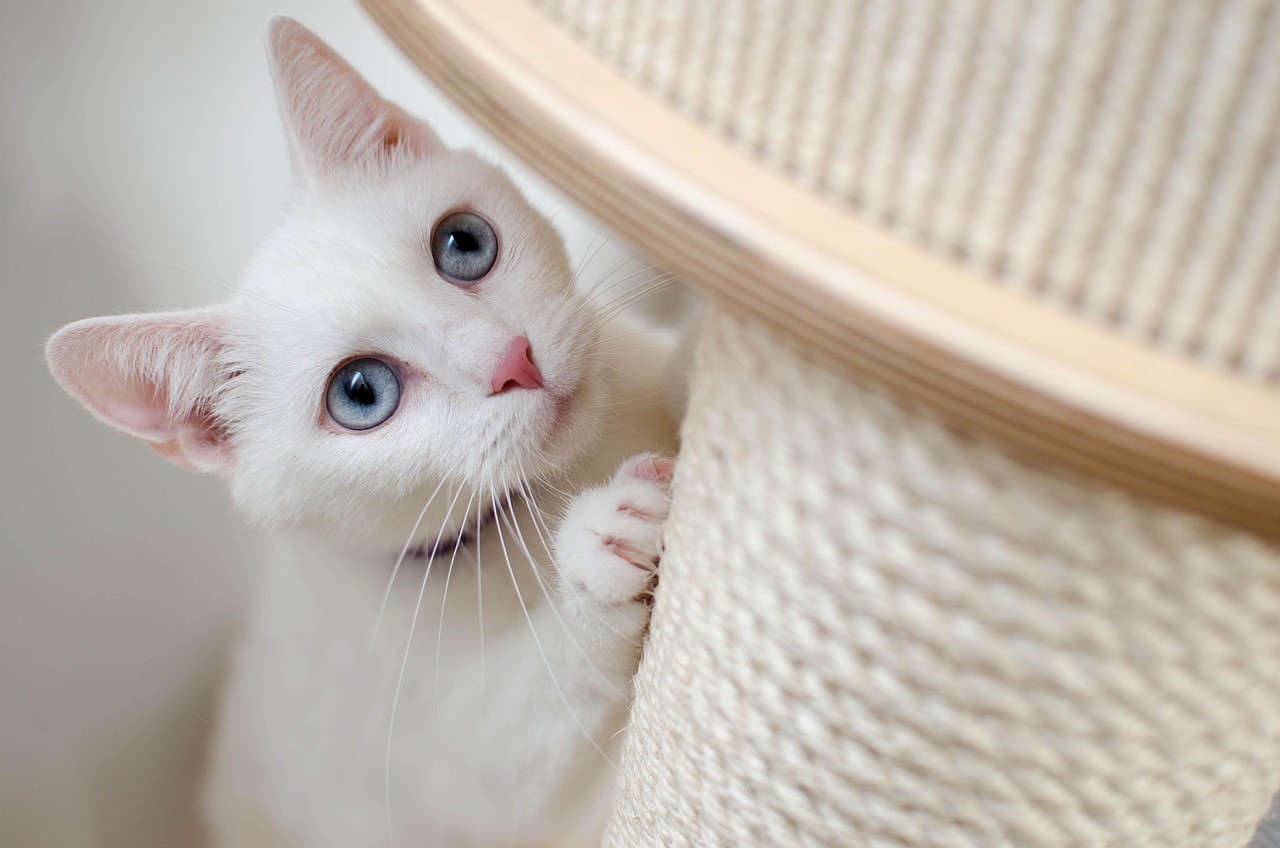

How to Prepare Your Home for a New Kitten and Other Pets
Introducing a new kitten to your home can be an exciting experience, especially if you already have other pets. Proper preparation is crucial. Start by creating a separate living area for the kitten, ensuring it feels safe and comfortable. This space should include essentials like food and water bowls, a litter box, and a cozy bed. Initially, keep the kitten in a room that the other pets cannot access. It helps to prevent overwhelming both the new kitten and the established pets. Additionally, consider using a pheromone diffusers to soothe and calm pets. Socialization plays a key role in the process. Gradually introduce your pets to the new kitten by allowing them to sniff each other without direct contact. Monitor their interactions closely, and reward positive behavior with treats. Gradually increase their interactions over time to help ease potential tensions. Remember to provide your pets individual attention to avoid jealousy. Making sure your pets feel valued alongside the new addition is essential. This will promote a smoother transition towards a multi-pet household.
It’s also important to ensure all pets are up-to-date with their vaccinations and are healthy. This prevents the risk of spreading any illness to your new kitten. Schedule a visit to the vet for a health check-up to ensure the new kitten is healthy as well. Socialization should not happen all at once; instead, take it slow. Keep the kitten confined to its space for the first few weeks, allowing other pets to acclimate to its presence with time. All pets should have their own space, where they can retreat if they feel overwhelmed. Creating barriers, such as baby gates, can help maintain a safe distance without isolating the new kitten completely. Always supervise initial interactions and be aware of body language. If any pet shows signs of aggression or fear, intervene calmly to deescalate the situation. Redirect their attention to a toy or a treat. Consider engaging in playtime with each pet separately to reinforce their bond with you and reduce feelings of competition. Following these steps can greatly enhance the quality of life for all animals involved.
Setting Up the Living Space
Your kitten’s introduction will benefit from a well-prepared living space. Ensure the area is kitten-proof, free from hazards like electrical cords and toxic plants. Check that windows and balcony doors are securely locked. Kittens are curious and will explore every nook and cranny. Keeping cleaning supplies, chemicals, and small items out of reach is vital. Apply baby-proofing measures, such as outlet covers, to prevent potential dangers. Also, designate specific areas for each pet’s food, litter, and sleeping zones to minimize competition and territorial behavior. Your kitten should have designated scratching posts and cozy hiding spots. Offer multiple perches or beds around the home for cats to promote vertical space they favor. Provide toys that stimulate both physical and mental activity. Interactive toys can keep them entertained and help reduce stress. It’s essential to rotate toys regularly, keeping the environment fresh and engaging. Use positive reinforcement to encourage appropriate behaviors. Praise and reward your pets when they respond well to each other, helping them create bonds.
Consult with your veterinarian about the best dietary options for your new kitten and existing pets. Introducing a new diet for your pets during this adjustment period might also help. Cats often respond positively to the comfort of routine feeding. Ensure that each pet has enough individual attention during feeding times. Regularly engaging them in playtime can reduce feelings of stress or jealousy as they navigate their new relationships. Gradually open the door to supervised introductions, allowing your other pets to see the new kitten without direct contact. Keep a close eye on their interactions and be prepared to separate them if necessary. Patience is key during this transition. If fights or aggression ensue, seek professional advice from a trainer specializing in animal behavior. Remember that creating a peaceful environment benefits all creatures involved. Over time, with enough positive reinforcement, you may find that your pets can coexist harmoniously. In multi-pet households, fostering strong connections takes time, but it can enhance the lives of your pets immensely.
Considerations for Older Pets
If you have older pets, extra considerations may be necessary. An older animal may not appreciate a rambunctious kitten’s energy, which can lead to stress or anxiety. Assess your older pet’s temperament before introducing a new kitten to your home. Slow introductions are crucial, and providing a refuge where they can escape will also help. Use the closed-door method, where the kitten and the older pet can be on opposite sides of a closed door. Allow them to smell each other for several days before a face-to-face introduction. When you finally let them meet, do so on neutral territory to help prevent territorial disputes. Monitor their body language closely; if either pet shows signs of distress, separate them and try again later. Make certain to reward your older pet with treats to associate the new kitten with positive experiences. Do this consistently during the introduction process. Providing individual spaces where both the kitten and older pets can retreat to will help them adjust without pressure. This patience is key to ensuring everyone’s comfort.
Be mindful of the existing routines of your older pets. Introduce changes gradually, especially with litter box adjustments and feeding schedules. Older pets often value consistency, and abrupt changes can cause anxiety. Stick to established routines as much as possible to ease the transition. However, be prepared for some initial disruptive behavior from your older pets as they may feel threatened by the newcomer. Redirect any undesirable behavior towards toys or playtime with you. Spending quality time with each pet individually will reinforce their importance and reduce rivalry. Gradually increase supervised interaction time while praising both your pets during each interaction. Recognize signs of stress, such as hiding or aloofness, and respond appropriately by giving them space. If the older pet remains aggressive after several attempts, reconsider your approach and seek guidance from a pet behaviorist. Being supportive of your older pet’s feelings during this transition is essential. In time, they may accept the newcomer as part of their family. This structured approach can help avoid tension and prepare your home for a harmonious multi-pet environment.
The Role of Supervision and Patience
Supervision is paramount when introducing a new kitten to other pets. Although it might be tempting to leave them alone, consistent monitoring will prevent unwanted altercations. Always supervise initial meetings, ensuring that you are alert to any signs of stress or aggression. Quick intervention is crucial in maintaining a peaceful environment. Redirecting the pets’ energy through play or treats can diffuse tension. A gradual approach allows them to establish a calming familiarity. After initial introductions, keep a close watch on their interactions for the next few weeks. Encouraging them to engage in shared activities, such as play or treats, can foster positive connections. Cats often exhibit territorial behavior; it is essential to provide places for them to hide and feel secure. If aggression becomes a recurring behavior, consider consulting a pet behaviorist who specializes in feline interactions. Your patience and thorough observation will be the building blocks of friendship among your pets. Establishing a positive environment makes cohabitation smoother and more enjoyable for everyone. Eventually, they will learn to coexist and share their space harmoniously.
As you move forward with these introductions, keep in mind that each pet is unique and may take different amounts of time to adapt. Each animal’s temperament plays a major role in establishing relationships with one another. For some, integration may happen seamlessly, while for others, it may take weeks or even months. Regularly engage with each pet individually, reinforcing their connection with you and ensuring they understand they remain cherished members of the family. If you notice any signs of persistent aggression or stress, be prepared to revisit previous steps and slow down the process. Always remember that patience leads to successful long-term relationships in a multi-pet household. Offering them the right balance of affection, attention, and independence allows them to flourish. Positive reinforcement remains crucial in training; provide rewards like treats and praise when they exhibit acceptable behaviors towards each other. In time, you may find your pets forming unexpected friendships, enjoying shared spaces, and even playing together. The journey to a harmonious multi-pet home requires effort and love, but the end result is rewarding, enriching lives in exciting ways.