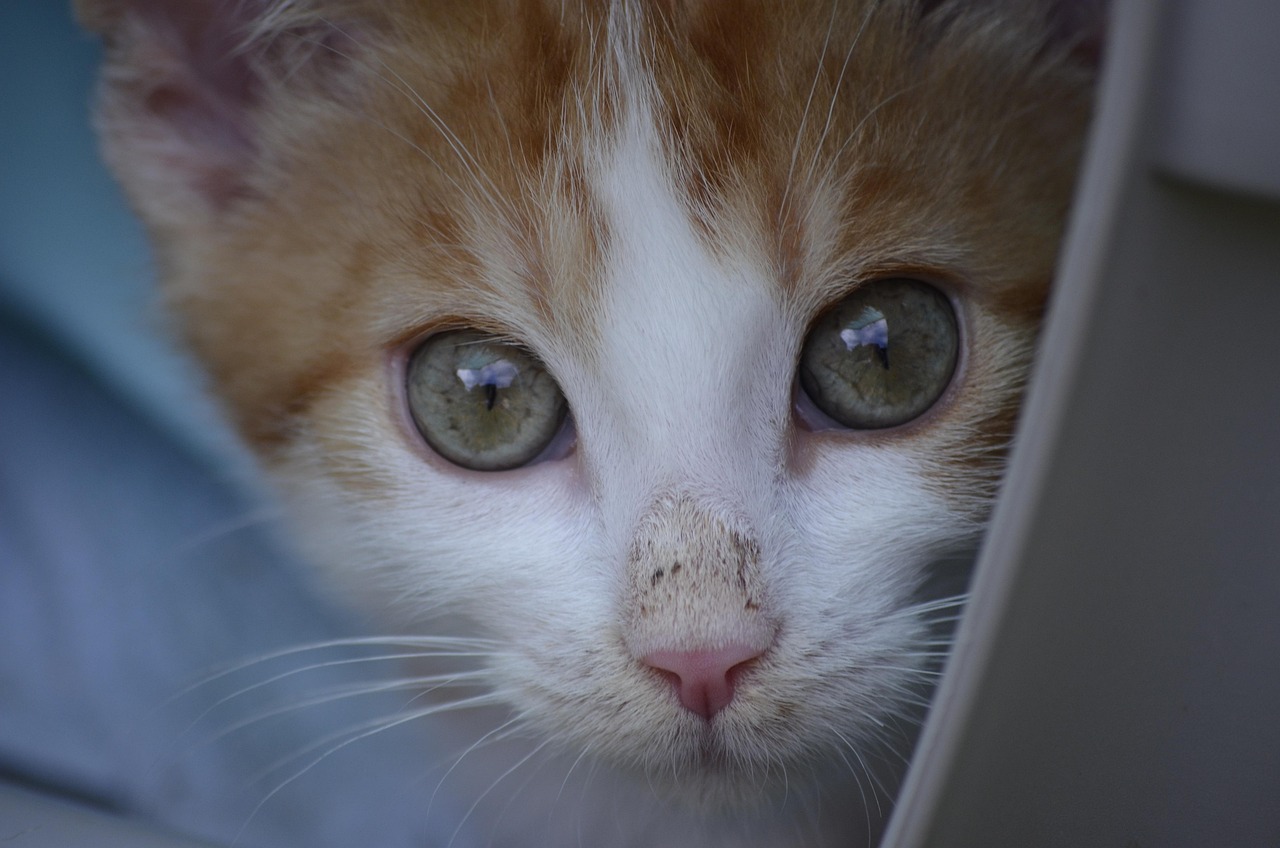

Psychological Effects of Rehoming Success on Cat Rescue Volunteers
Cat rescue volunteers play a significant role in the process of rehoming cats, often experiencing profound emotional impacts as a result. Much of this derives from the satisfaction of finding a cat a loving home, which can elevate their mood and boost self-esteem. Volunteers often report feelings of joy and accomplishment as they witness transformation in cats who previously faced neglect or abandonment. These positive emotions can lead to an increased sense of purpose, enhancing the mental resilience of volunteers. The emotional satisfaction experienced through successful adoption not only radiates happiness but also fosters a deeper commitment to their work. Each successful match between cats and adopters can solidify their resolve to continue rescuing others in need. However, it is essential for volunteers to balance emotional investment, ensuring they do not become overwhelmed by the emotional toll of the role they play. Healthy coping mechanisms and support systems, including teamwork and community engagement, can provide volunteers with tools to manage the emotional rollercoaster. Overall, the positive psychological effects of successful rehoming highlight the vast impact volunteers have on feline welfare and their own mental health.
Furthermore, volunteers often share a unique bond with the cats they rescue, lending to their emotional investment in the rehoming process. Over time, many develop strong attachments to the animals, knowing their needs and personalities intimately. When these cats are successfully rehomed, the bittersweet nature of leaving a cherished companion can lead to a mix of emotions. Emotional resilience becomes crucial in navigating these transitions, allowing volunteers to appreciate the joy of the cat’s new life without becoming consumed by loss. Gratitude from the new families can serve to validate their efforts, turning potential feelings of sadness into ones of pride and fulfillment. By focusing on the care and happiness of their topped cats, rescue volunteers can develop a greater understanding of the cycle of giving and receiving love. Additionally, volunteers may encourage and mentor new members to help sustain motivation across the team. This encourages a supportive community, thus fostering long-term volunteering relationships. As they share their stories of success, volunteers can inspire emerging rescuers, subtly creating a culture of support and empathy that not only benefits the volunteers but enhances the overall effectiveness of rescue missions.
The Importance of Community Support
Community support serves as an essential lifeline for cat rescue volunteers. Engaging in rescue work can sometimes lead to feelings of isolation, as the emotional burden can weigh heavily. Having a supportive community allows volunteers to share their experiences, engage in group discussions, and celebrate collective successes. In particular, organized meet-ups and events can provide much-needed social interaction and bonding opportunities among volunteers. These gatherings offer a platform for volunteers to exchange knowledge, experiences, and psychological insights about their work, fostering a sense of unity. Moreover, the combined efforts of volunteers can amplify the impact of rescue initiatives, encouraging greater community awareness and involvement. Successful rescues not only benefit the cats but can also inspire those in the community to participate or donate, creating a ripple effect of goodwill and compassion. Through mutual support and encouragement, volunteers are better equipped to handle the challenges they face, preventing burnout and promoting long-term mental health. Volunteering also offers more than just an emotional reward; it builds social networks that can provide personal strengths outside of rescue work, creating deeper connections that support psychological well-being.
Moreover, the act of rescuing cats often serves as a form of therapy for many volunteers. Engaging with animals provides a rich source of emotional connection that can alleviate feelings of depression and anxiety. For volunteers, bonding with the cats can lead to a therapeutic release, serving as an antidote to stress. Research indicates that interactions with pets can lead to reduced cortisol levels and increased oxytocin production, fostering feelings of happiness and comfort. As volunteers care for these animals, they often find solace in the unconditional love and gratitude that cats express. This emotional exchange can become crucial for those volunteers dealing with their issues, ultimately leading to improved mental health. Significantly, the act of caregiving allows volunteers to gain a sense of control in their lives, which is empowering. The increased sense of purpose derived from rescuing and nurturing cats can become a valuable tool for personal growth, encouraging volunteers to adopt resilient attitudes. Developing these connections with animals ensures that volunteers continue to find joy in their work while contributing to the well-being of their own mental state and that of the community around them.
Addressing Emotional Challenges
In the realm of cat rescue, it’s equally vital to address the emotional challenges that might arise. Volunteers can encounter cases of severe neglect and abuse, which may haunt them emotionally. When faced with these harsh realities, the psychological impact can lead to compassion fatigue. This condition results from emotional exhaustion due to the continued exposure to suffering animals. Volunteers must be proactive in recognizing the signs of emotional burnout, understanding that it’s acceptable to take breaks and seek help. Prioritizing self-care is fundamental, as volunteers must nurture their mental state to continue helping others effectively. Establishing boundaries can also help maintain a healthy balance in their lives. By paying attention to emotional signals and engaging in self-reflection, volunteers can ensure they remain fulfilled and focused on their mission without depleting their own mental resources. Participating in training sessions and workshops may also equip them with skills to cope more effectively with these emotional demands. Addressing and nurturing their own mental health can enhance their overall effectiveness as rescuers while ensuring that they approach their role with renewed energy and compassion.
Ultimately, the emotional journey of a cat rescue volunteer encapsulates profound transformations through rehoming success. Volunteers often evolve personally as they navigate through challenges and rewards, personal development intertwined with their volunteer experience. Through their interactions, they learn valuable life lessons about resilience, empathy, and the healing power of companionship. Witnessing the profound changes in the lives of their rescues provides perspective on the potential to create positive change, not just for animals, but also for themselves. As volunteers share these empowering stories, it inspires others within and outside the community to contribute positively. The ability to foster successful adoptions serves as a daily reminder of personal strengths, each success story a testament to their hard work and dedication. They come to realize that their efforts are vital not only for the cats but for broader societal change regarding animal welfare. Overall, this dual effect of emotional growth within themselves and the direct impact on the lives of rescued cats enhances their experience and solidifies their place in the rescue process. The ongoing commitment to assisting these animals becomes both a personal mission and a shared community goal.
Conclusion: The Lasting Impact of Rescue Work
In conclusion, the psychological effects of successful rehoming resonate deeply through the lives of cat rescue volunteers. Each cat they help brings them closer to their greater purpose, solidifying their connection to animal welfare. The effects of these successes enrich their lives through profound psychological benefits and assistive community structures. Through the emotional highs and lows, volunteers emerge stronger and more resilient. Engaging together in a cause that transcends individual relationships fosters lasting bonds. Collectively, they can create significant change in their communities’ approach to animal adoption and welfare. Emphasizing the positive psychological aspects derived from their experiences enhances the overall effectiveness and sustainability of their rescue work. As more individuals become involved, the cycle of compassion continues to grow and deepen. Ultimately, the journey of cat rescue volunteers reminds us of the interconnectedness of life, fostering an environment where happiness, transformation, and healing prevail. Their efforts contribute not only to enhanced animal welfare but also to enriched human experiences and personal growth within these remarkable volunteers. The impact of their work continues far beyond rescue stories, shaping their own lives and those of the cats they help.
Each time a cat is rehomed, it strengthens the bond of trust and commitment amongst the volunteers, creating an environment of happiness and fulfillment. The overarching theme within the realm of cat rescue is one of shared journey, empathy, and the pursuit of happiness through helping others. With every adoption story, the volunteers’ collective sense of achievement and joy grows stronger, reinforcing a cycle of positivity and support. It’s essential to cherish these stories and recognize their transformative nature in fostering resilience and emotional well-being. Through their dedication to the task, volunteers learn pivotal life lessons that extend far beyond mere cat rescue, deepening their understanding of compassion, love, and community spirit. Cat rescue volunteers form a sense of family that nurtures emotional health and resilience as they navigate their challenges together. Celebrating achievements, big or small, not only boosts the volunteers’ morale but also creates a sense of belonging that is crucial for their self-worth. In this way, the act of rehoming cats becomes a symbol of shared victories and fosters a sense of purpose that echoes within the volunteers and the community.