
How to Use Treats and Toys to Enhance the ‘Find It’ Training
Training your dog to use the “Find It” command is an engaging way to stimulate their mind and encourage positive behavior. This command not only provides mental stimulation but also promotes communication between you and your pet. Using treats or toys enhances the effectiveness of this training exercise by motivating your dog and making it enjoyable for them. Start by choosing high-value treats that your dog loves, ensuring that they remain focused during the training session. It’s crucial to maintain a strong, energetic tone when giving commands, as dogs respond better to enthusiasm. Setting the stage will mean having a quiet space where distractions are minimal, allowing your dog to concentrate on learning. Once your dog understands the command, you can increase the difficulty by hiding treats or toys in different locations. Repeat the command loudly and clearly, encouraging your dog to use their nose to sniff out the hidden items. This also aids in their natural instincts and helps them develop a connection with their surroundings. Over time, gradually lessen the number of treats enjoyed, promoting self-driven exploration!
The success of the “Find It” command training relies heavily on your dog’s ability to associate the command with rewards. Before starting, ensure that your dog is in the right mindset. Calmness is essential during this process, so consider taking them for a short walk beforehand to expend excess energy. At the beginning of the training, openly display a treat or toy in front of your dog, allowing them to see it clearly. Gradually move it slightly away from you, encouraging your pet to find it. Use phrases like “find it” or “go find” firmly but cheerfully. When your dog successfully locates the treat, offer considerable praise and follow it with a reward. Praise reinforces desired behavior and motivates your dog to repeat the action. This positive feedback loop builds a strong bond between you and your pet, creating an enjoyable experience. Increase the complexity of the hiding spots over time as your dog becomes more proficient at finding objects. Adaptability is key, so modify your approach based on your dog’s learning pace, ensuring that the training remains both challenging and enjoyable.
Increasing the Challenge of the Training
Once your dog masterfully locates treats consistently, it’s time to elevate the challenge for their continued development. Adding variety to the spots where you hide treats or toys keeps your dog engaged and excited. Try different rooms in the house or outdoors in the yard. Observe how your dog approaches each new hiding spot. If they begin losing interest or fail to find the item quickly, consider reducing the difficulty temporarily. Patience is essential, so don’t rush through the progressive stages. Introduce factors that make the finding process more interesting. For instance, try hiding items under boxes or towels, or incorporate scents from their favorite toys mixed with food scents to encourage them further. Building their curiosity can help them sharpen their search skills. Always remember to reward them upon finding the item, reinforcing that their efforts were worthwhile. Gradually shift from hiding treats in full view of the dog to more discreet locations, ensuring you maintain a balance of challenge and success. This layered approach to training allows your dog to improve their problem-solving abilities effectively.
During the “Find It” training journey, engaging multiple senses allows for a more fulfilling experience. Consider integrating the use of various toy types to see which excites your dog the most. For example, soft toys, squeaky toys, or balls can keep your pet curious. Switching the type of reward may also contribute positively to your dog’s overall enjoyment of the game. As they find more items successfully, let your dog sniff the toy or treat before placing it, building anticipation for the “finding” activity. Pair this sensory engagement with the command examples you’ve previously used, reinforcing that these distinct toys or treats hold significance in the training process. This sense of familiarity supports your dog’s focus. Additionally, try hiding the toy or treat while your dog watches, then encouraging them to find it. This technique strengthens the connection to the activity and reinforces the engagement level. Ensuring your dog has access to varied rewards will keep the training dynamic and fun, elevating their enthusiasm for the “Find It” command, ultimately leading to their ongoing success.
Involving Family Members in Training
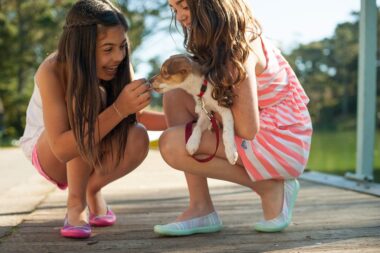
Involving family members in the “Find It” training can make the experience more interactive and enjoyable for your dog. Each family member can take turns hiding items, offering diverse challenges that keep your dog interested. Dogs love social interactions, and having multiple people involved increases the excitement. Encourage each person to use different commands, tones, and techniques to create variability that keeps your dog on their toes. This helps apply the lesson of finding items in differing contexts, which enhances problem-solving skills. Furthermore, children can have fun assisting with hiding items, fostering a responsibility dynamic within the family. Make sure that everyone understands the importance of positive reinforcement when the dog finds the hidden treat or toy, promoting teamwork. Children should be guided on how to communicate with the dog positively to avoid any unintended confusion. Utilizing varied commands, tones, and promises of praise will only reinforce their learning experience while strengthening family bonds through shared fun. This makes training time an excellent opportunity for family interaction while benefiting your dog’s mental health and development.
When introducing new concepts and challenges in the “Find It” command, it’s essential to track your dog’s progress and have patience with the training process. View each training session as an opportunity to bond with your pet while providing stimulating engagement. Take notes on your dog’s behavior during practice, noticing any improvements or areas needing additional focus. Document which toys are most appealing and what hiding spots are the most challenging, using this information to shape future training sessions. Consistency will lead to gradual improvement, although every dog will progress at their own rate. Learning is not linear, and fluctuations are common as they navigate more challenging tasks. Some days may display remarkable progress, while others might be slower. Remain flexible in adapting your training sessions according to your dog’s mood and enthusiasm. If they seem frustrated, perhaps revisit easier levels to refresh their confidence. The key to successful training lies in your patience, positive reinforcement, and the adaptable strategies you employ. Allowing your dog to learn at their own pace will ensure their growth and enjoyment.
Celebrating Achievements in Training
As your dog becomes proficient in the “Find It” command, it’s essential to celebrate these achievements. Recognizing milestones is not only rewarding for your dog but also reinforces their eagerness to learn new activities. Celebrate with verbal praise, lots of love, and your dog’s favorite treats. Small celebrations after successes boost their confidence and motivation to engage in more training sessions. Establish special moments or routines to celebrate their learning achievements so your dog begins to associate training sessions with joy. Consider creating themed training sessions based on their favorite toys or treats as a fun way to mark progress along the way. You can also capture these moments through photographs or videos. Mix positive reinforcement with playful interactions to solidify their understanding and foster a supportive training environment. All of these aspects culminate in a stronger bond between you and your dog. Completing each level of training not only sharpens their skills but also builds trust and loyalty. Ultimately, these celebrations ensure that both you and your dog enjoy the entire process of learning the “Find It” command.
In conclusion, enhancing the “Find It” command skills requires creativity, patience, and lots of positive reinforcement for successful outcomes. Engaging dogs with treats and toys makes the training both stimulating and rewarding! With practice, consistency, and varied challenges, your dog will not only ace the “Find It” game but also enhance their problem-solving capabilities while exploring their environment. Remember to engage all family members in the process to create a supportive learning environment. Each stride toward mastery is an accomplishment, and recognizing these milestones strengthens the relationship you have with your dog. Tailoring training sessions to your pet’s preferences and energy levels will contribute significantly to your success. Flexibility during training should always be paired with patience, adapting to your dog’s evolving needs. Utilizing a mix of techniques will establish a robust foundation in communication and trust. Celebrating achievements during training promotes a sense of fulfillment and shared happiness, the ultimate goal of dog training. In the end, through the “Find It” command, you can cultivate a smart, happy, and well-adjusted pet that thrives within the family.