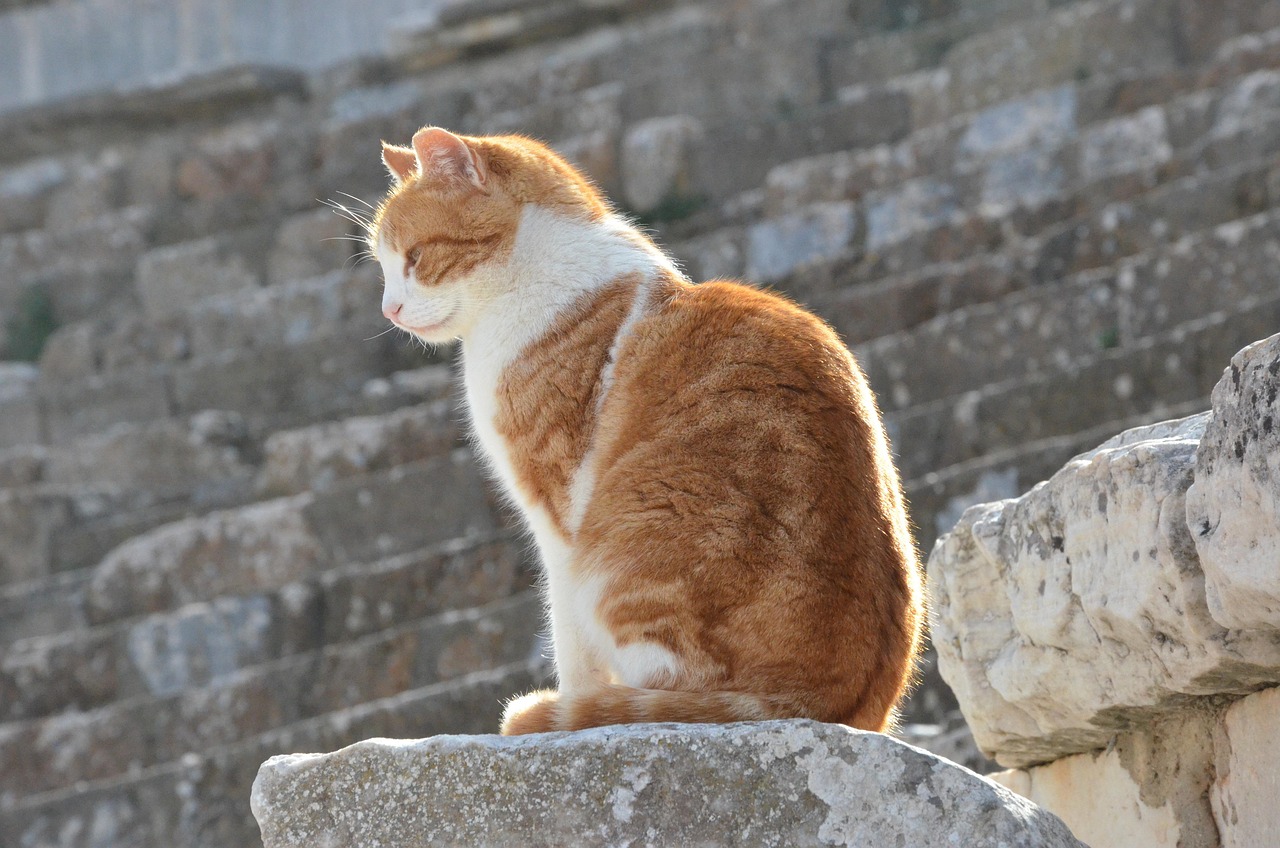

Ancient Traditions: Early Forms of Cat Sports
The history of cat sports can be traced back to ancient civilizations where cultural practices were intertwined with animal behavior. These sports often centered around the natural abilities and playful nature of cats. Ancient Egyptians, for instance, revered cats not just as companions, but as skilled hunters. Evidence from hieroglyphics suggests that activities resembling sport, such as chasing small objects, were common. This not only showcased the agility of felines but also highlighted the bond between humans and their feline friends. In some cultures, such as in Japan, cats were trained to participate in traditional fishing techniques. The feline’s natural hunting instincts would advocate quick movements, benefiting the community. Over centuries, the concept of cat sports evolved, with domestication playing a crucial role. Today, we observe this evolution through cat agility contests, where breeds demonstrate their physical prowess. These events affirm the timeless connection between cats and humans. Such traditions emphasize the entertainment value provided by cats, establishing a foundation for various competitive events that continue to bring joy to spectators around the world.
The Role of Cats in Ancient Cultures
Throughout history, the importance of cats in various civilizations is undeniable. Ancient Greeks, for instance, often depicted felines in their literature and art, attributing qualities of independence and grace to them. These attributes were celebrated and led to various games that mimicked the natural traits of cats. One practice involved using small objects in a game where cats showcased their hunting prowess by pouncing and capturing moving targets. These games evoked a sense of admiration and provided entertainment for spectators. Similarly, in Norse mythology, the goddess Freyja was associated with cats, and they played a significant role in rituals. Cats were often seen as protectors, thus leading to their involvement in ceremonial sports to showcase their agility. This interplay between cultural reverence and playful competition paved the way for modern-day cat shows and agility trials. As societies transitioned, the influence of felines adapted to suit changing lifestyles while retaining the core elements that made these activities fascinating. It created a legacy that sustains feline sports in contemporary contexts, illustrating how deep-rooted traditions continue to thrive.
Various forms of cat-themed entertainment emerged around simple but engaging activities. For instance, the tournament-style contests commonly held in ancient Rome focused multiple felines against one another in friendly yet competitive settings. This served to amuse crowds, allowing for a sense of community while respecting the skills of each animal. Crafts and artwork featuring cats also flourished, influenced by their inspiring presence. Additionally, during the Middle Ages, the church viewed cats ambiguously, associating them with superstition and folklore. Despite this conflict, they remained popular amongst the populace, inspiring absurd games and playful contests as a result. Cats became both victims of persecution and revered creatures, resulting in contrasting interpretations of their role in society. Thus, even in tumultuous times, the playful spirit associated with cat activities persisted, evolving into what we often see today. These unique historical contexts contributed to shaping cat sports into more organized events in later centuries. The blend of cultural art and animal sports vividly illustrates the importance of maintaining traditions, keeping the agility and charm of our feline companions alive as cherished symbols of playfulness.
Modern Adaptations of Cat Sports
As time progressed, the evolution of cat sports transitioned into more formalized structures accommodating both competition and entertainment. Today, various organizations around the world host events that highlight the agility and grace of cats through structured competitions. These events allow for different breeds to showcase their natural abilities. Modern adaptations reflect a commitment to ensuring the welfare of the cats involved. Regulations evolved to prioritize the well-being of these athletes while maintaining entertainment value. Competition setups often now include obstacle courses, where the agility of a cat is assessed through a series of challenges designed to test speed, intelligence, and adaptability. Judges evaluate each performance based on set criteria, awarded points for skillful execution. These events often attract participants and onlookers who appreciate the bond shared between cats and their handlers. Engaging displays, alongside lively commentary, create an impactful experience appreciative of both the cats’ talents and the effort behind their training. This reformed approach towards cat sports recognizes the connection between a human and their feline friend as cherished, fostering a community that celebrates these endeavors.
Besides physical competitions, cat sports have expanded to include various forms of interactive entertainment reflecting a deep appreciation for feline behavior. Influencer culture has contributed significantly to this growth, leading social media users to share entertaining videos that highlight cat antics as a sport of their own. As a result, viewing platforms now host dedicated content showcasing cat performances. These forms of sports demonstrate skills that spark joy and engagement among audiences worldwide. YouTube channels and competitions advocate promoting responsible pet ownership while enabling fun, lighthearted content creation. Through live streams and social sharing, passionate communities continue to thrive, encouraging discussions over training techniques and showcasing adorable felines vying for a coveted title or recognition. Consequently, various online challenges emerged, drawing attention from cat enthusiasts eager to participate and connect with proud pet owners sharing their stories. This multifaceted approach encapsulates the essence of cat sports as it embraces history while evolving to embrace technology and digital communities. The interactive nature of cat sports has resulted in a compelling fusion of tradition, modernity, and shared enjoyment of our feline friends.
The Influence of Cultural Significance
Understanding the cultural significance attributed to feline sports aids in comprehending their enduring popularity across various eras. Cultures praised cats for their independence and problem-solving skills, demonstrated through playful activities and sport. This admiration laid the foundation for community bonding, with sports often celebrated in festivities where families gathered to enjoy the participatory events. Even in ancient societies, cats symbolized prosperity, which compelled their owners to engage in practices that fostered feline talents. Rituals surrounded this, as families believed showcasing a cat’s skill would bring blessings, further integrating sports into cultural festivities. This aspect of tradition ensured the continuation of various practices that celebrate feline capabilities. Moreover, through cat sports, people learned to appreciate these pets beyond mere companions, viewing them as artists of agility engaged in delightful displays. Consequently, it created a rich cultural tapestry surrounding cat sports, one that has been handed down through generations. The connection fosters ongoing affection for cats, establishing a lasting legacy that ensures cats will always have a place in sporting traditions worldwide.
As society continues to embrace the significance of pets, the future of cat sports appears bright, thriving with contemporary adaptations while respecting historical roots. Insights into ancient practices guide modern approaches as competitive structures evolve with changing societal norms regarding animal care and entertainment. Encouraging community involvement in cat-related events promotes a deeper understanding of responsible pet ownership, allowing for dynamic participation in the realm of cat sports. This includes family-oriented events, such as fun runs and agility contests where spectators not only witness but also partake in activities. Collaboration among organizations creates events that emphasize education, sportsmanship, and humane treatment while maintaining an entertaining atmosphere. As new ideas emerge, traditional aspects will surely merge into innovative practices that resonate with current and future generations. Cat sports find their place in an increasingly aware society that values both competition and the enrichment of the human-animal bond. This strengthens the supportive community surrounding sport and fosters initiatives that ensure the celebration of cats remains not solely as athletes but cherished companions.
In conclusion, the historical journey of cat sports embodies a blend of reverence, entertainment, and cultural significance. From ancient practices that highlighted the agility and playfulness of cats to modern adaptations that cater to new audiences, it showcases the timeless essence of these beloved animals. Their evolution within society has changed mediation forms, transitioning from spontaneous activities into organized competitions. The relationship between humans and feline companions continues to inspire passion, creating a vibrant community that thrives on shared enthusiasm. Cats have maintained their stature as captivating athletes, drawing attention while serving as symbols of joy across numerous cultures. By highlighting the captivating charm and incredible skills of cats, enthusiasts advocate for their appreciation, facilitating connections among people who share a love for feline sports. Today, this legacy continues to unfold, where historical practices merge with modern innovations that both entertain and educate. As we look forward, the narrative of cat sports stands as a testament to the evolving relationship between cats and humans, celebrating their impact on our lives while ensuring their rightful place in sporting culture.